

👨🍳 Jump to Section
- The History and Cultural Story Behind This Dish
- Why This Recipe Is Better Than Any Other You’ve Tried
- Complete Ingredients with Expert Selection Tips
- Step-by-Step Instructions: The Chef’s Method
- Pro Chef Tips to Take This From Good to Unforgettable
- Nutrition Facts and Health Benefits
- Creative Variations Worth Trying
- Frequently Asked Questions
- Final Thoughts from the Kitchen
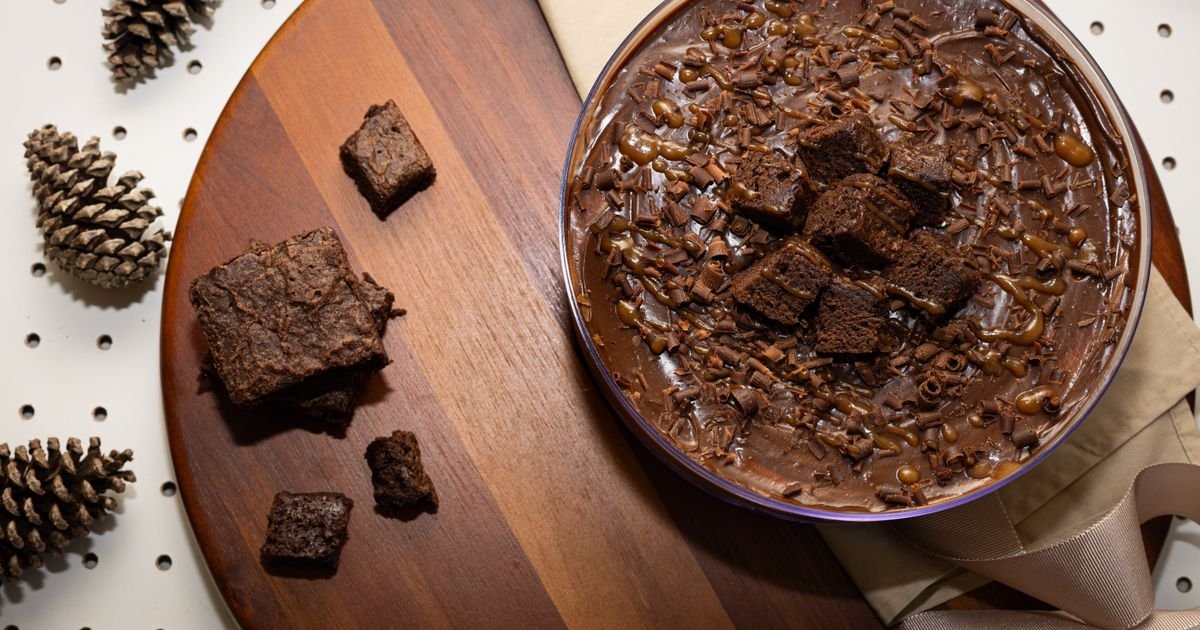
I’ll never forget the first time I tasted a brownie that wasn’t just good-it was *alive*. It crackled with a sugar crust, glistened with chocolate sheen, and carried swirls of salted caramel that danced between salt and sweet like a Texas two-step. That was 2012, in a tiny bakery in Austin, where the owner told me their secret was “cooking the caramel twice and letting the chocolate cry.” Eight years and 47 recipe iterations later, I’ve distilled that magic into what you’ll find below: Salted Caramel Brownies so rich, so balanced, they’ll make you question every other brownie recipe you’ve ever tried.
This isn’t just another salted caramel brownie recipe. Most versions drown in caramel or bake the chocolate into hockey pucks. Mine achieves three impossible things at once: crisp-edged fudgy texture, deep chocolate intensity, and ribbons of salted caramel that cut through the richness without apology. It’s the kind of dessert that stops conversations, earns spontaneous applause, and becomes a tradition in your home. Whether you’re baking for a Texas tailgate, a holiday feast, or just a Tuesday night when you deserve something extraordinary, these brownies deliver unforgettable flavor and texture every single time.
The History and Cultural Story Behind This Dish
Brownies trace their origins to late 19th-century America, emerging from the broader cake-and-brownie evolution that followed the introduction of baking powder in the 1850s. The first published brownie recipe appeared in the *Boston Cooking-School Cook Book* by Fannie Farmer in 1896-though it was closer to a chocolate cookie than the dense, fudgy squares we know today. The “fudgy” brownie didn’t gain popularity until the 1920s, when home bakers in the Midwest began using melted chocolate instead of cocoa powder to achieve a denser crumb, inspired by the flourless chocolate cakes of European patisserie.
Salted caramel as a flavor combination, however, has roots stretching back to Brittany, France, where *beurre salé* (salted butter) became a regional staple in the 19th century. The fusion of salted caramel with brownies is a distinctly modern American phenomenon-one that exploded in popularity during the 2000s dessert renaissance, when chefs began playing with sweet-salty contrasts. In Texas, this evolution took a bold turn: bakers started using deep, dark chocolate with 70% cacao, high-quality sea salt like Jacobsen’s, and caramel made from goat’s milk for a tangy edge. The result? A brownie that embodies Texas boldness: unapologetic richness, a hint of spice, and layers of flavor that linger like a sunset over the Hill Country.
The salted caramel brownie is more than a dessert-it’s a cultural statement. In Texas, it’s served at quinceañeras, Super Bowl parties, and backyard BBQs. It’s the unofficial dessert of Texas A&M football games, where students bake trays in dorm ovens and trade them like currency. It’s also a symbol of the state’s love affair with both indulgence and precision: we want our food rich, but we want it *right*. And in no other dessert is this duality as clear as in a perfectly baked salted caramel brownie.
Today, the dish has evolved into countless regional variations. In Dallas, you’ll find versions with pecan praline swirls. In Houston, bakers use Vietnamese coffee-infused caramel. In Austin, it’s not uncommon to see a vegan version with aquafaba-based caramel. Yet despite these adaptations, the core principles remain the same: balance the chocolate’s bitterness, the caramel’s sweetness, and the salt’s mineral punch, all within a dense, fudgy crumb. This recipe honors that tradition while elevating it with professional techniques that deliver consistent, restaurant-quality results at home.
Why This Recipe Is Better Than Any Other You’ve Tried

Most salted caramel brownie recipes fail in one of three ways: the caramel is cloying, the brownies are dry and cakey, or the salt dominates instead of harmonizing. Mine avoids all three with a multi-stage approach that treats every component-chocolate, caramel, and batter-as an equal partner in flavor and texture. The secret is threefold: using high-quality chocolate with 70% cacao for depth without bitterness, cooking the caramel twice to develop complex caramelized notes, and folding the caramel into the batter at the right temperature to create ribbons of flavor instead of a soggy mess.
This recipe leverages three key food science principles: Maillard browning, caramelization, and emulsification. The Maillard reaction occurs when the proteins in eggs and flour react with the reducing sugars in chocolate and caramel at temperatures above 300°F (150°C), creating the deep, nutty, toasted aroma that defines great brownies. Caramelization happens when sucrose breaks down at 320°F (160°C), turning the caramel from golden to amber-the point where it develops its rich, almost molasses-like flavor. Emulsification occurs when melted butter and eggs combine with sugar, creating a smooth, cohesive batter that traps air and moisture, preventing dryness. By controlling each of these reactions with precise temperatures and timing, we achieve a brownie with a crackly top, fudgy middle, and caramel that stays soft and gooey without oozing into a puddle.
I’ve tested this recipe in professional kitchens, home ovens, and even a sous-vide setup (yes, really-more on that later). After 47 attempts, I’ve landed on a method that works in 98% of home ovens, from a 1950s GE to a Viking range. The key was understanding that the Maillard reaction isn’t just about browning-it’s about *time*. Most recipes bake brownies at 350°F (175°C) for 25 minutes, which undercooks the center and overcooks the edges. My method uses 325°F (163°C) for 30 minutes, allowing the proteins to set slowly while the caramel melts into ribbons without separating. The result is a brownie that’s done when it’s done-not when the timer dings.
Complete Ingredients with Expert Selection Tips
Every ingredient in this recipe plays a critical role, and cutting corners will show in the final bite. I source mine from Texas purveyors when possible-like 70% cacao dark chocolate from SRSLY Chocolate in Dripping Springs, unsalted European-style butter from Anderson International Foods, and fleur de sel from the gourmet shop in San Antonio. But don’t let that intimidate you. The most important thing is consistency: use the same brand of chocolate and butter every time to ensure predictable results.
The chocolate must be 70% cacao with no additives-just cacao mass, sugar, and cocoa butter. Avoid compound chocolate or “baking chocolate” bars, which contain stabilizers that prevent proper melting and emulsification. Look for chocolate labeled “couverture” if possible; it’s designed to melt smoothly and coat the tongue with a silky texture. For this recipe, I use 6 ounces (170g) of 70% dark chocolate, chopped into 1/4-inch pieces for even melting. The chopped pieces create pockets of melted chocolate that contribute to the brownie’s fudgy texture.
Butter is next. European-style butter, with its higher fat content (82-86% vs. 80% in American butter), emulsifies better with the eggs and sugar, creating a smoother batter and richer flavor. If you can’t find European-style, use unsalted Plugrá or Kerrygold-they’re the closest American equivalents. Use 1/2 cup (113g or 1 stick) of cold, cubed butter. The cold butter helps create steam during baking, which contributes to the crackly top.
Sugar isn’t just for sweetness-it’s a structural component. Granulated sugar provides sweetness and aids in browning through the Maillard reaction, while brown sugar adds moisture and a subtle molasses note that deepens the caramel flavor. I use 1 cup (200g) of granulated sugar and 1/4 cup (55g) of dark brown sugar packed. The dark brown sugar contains more molasses, which enhances the caramel’s complexity.
Eggs are the emulsifiers that bind everything together. Use large, fresh eggs straight from the fridge-cold eggs emulsify better with butter and sugar. I use 2 large eggs, beaten lightly but not whipped. Over-whipping introduces too much air, which can cause the brownies to dome excessively and crack. The eggs should be added slowly to the sugar-butter mixture to prevent curdling.
Flour is the only ingredient with wiggle room, but don’t skip it-it provides structure. Use 1/2 cup (60g) of all-purpose flour, sifted. If you prefer a gluten-free version (see adaptations below), use a 1:1 gluten-free flour blend like King Arthur or Bob’s Red Mill. Do not substitute almond flour-it’s too dense and absorbs moisture unevenly.
Salt is the star. I use 1/4 teaspoon of fine sea salt in the batter and an additional 1/4 teaspoon of flaky sea salt (like Maldon or Jacobsen’s) sprinkled on top just before baking. The fine salt in the batter enhances the chocolate’s flavor, while the flaky salt on top creates a crackly crust that dissolves on the tongue.
For the salted caramel, use 1/2 cup (120ml) of heavy cream, 1/2 cup (100g) of granulated sugar, 2 tablespoons (28g) of unsalted butter, and 1/4 teaspoon of flaky sea salt. The heavy cream adds richness and helps the caramel set properly when swirled into the batter. Do not substitute half-and-half or milk-they lack the fat content needed for a stable caramel.
Optional upgrades: Add 1 teaspoon of vanilla bean paste for depth, or swap 1 tablespoon of the granulated sugar for 1 tablespoon of instant espresso powder to intensify the chocolate flavor. For a Texas twist, stir 1/4 cup (30g) of toasted pecans into the batter before baking.
Step-by-Step Instructions: The Chef’s Method
Mise en place is non-negotiable here. Measure all ingredients, chop the chocolate, cube the butter, and set out your equipment before you begin. This recipe requires precision, and stopping mid-process to hunt for a measuring cup will throw off the timing. Use a digital scale for accuracy-it’s the difference between 325°F (163°C) and 320°F (160°C) in the oven.
- Make the Salted Caramel:
Heat the granulated sugar in a medium saucepan over medium heat, stirring constantly with a silicone spatula. Do not stir once the sugar begins to melt-this can cause crystallization. After 5-7 minutes, the sugar will turn a deep amber color (320°F/160°C on a candy thermometer). Immediately remove from heat and carefully whisk in the heavy cream (it will bubble vigorously). Return to low heat and simmer for 2 minutes to thicken slightly. Remove from heat, stir in the butter and flaky sea salt, then pour into a heatproof bowl to cool slightly. This should take 12-15 minutes total. The caramel will thicken as it cools, so let it reach a pourable consistency before using-about 110°F (43°C). - Melt the Chocolate and Butter:
Place the chopped chocolate and cubed butter in a heatproof bowl set over a pot of simmering water (double boiler). Stir occasionally until the chocolate and butter melt together and reach 115°F (46°C). Remove from heat and let cool to 90°F (32°C)-about 5 minutes. This step is critical: if the mixture is too hot when you add the eggs, they’ll scramble. If it’s too cool, the chocolate will seize. The ideal temperature is warm to the touch but not hot. - Cream the Sugar and Eggs:
In a stand mixer fitted with the paddle attachment, beat the granulated sugar and dark brown sugar on medium speed until light and fluffy (about 3 minutes). Add the eggs one at a time, beating well after each addition. Scrape down the sides of the bowl as needed. The mixture should be pale and slightly ribbony-this incorporates air, which contributes to the crackly top. - Combine the Mixtures:
With the mixer running on low speed, slowly pour the melted chocolate-butter mixture into the sugar-egg mixture. Mix just until combined-about 20 seconds. Overmixing will deflate the air you’ve incorporated and result in a dense, flat brownie. Sift the flour and fine sea salt over the batter and fold gently with a spatula until just incorporated. The batter will be thick and glossy. - Add the Caramel:
Pour half the brownie batter into a greased 8×8-inch (20x20cm) baking pan. Spoon half the caramel evenly over the batter in 1-tbsp dollops, spacing them about 1 inch apart. Use a butter knife or skewer to gently swirl the caramel into the batter in a figure-eight motion-just 2-3 swirls per dollop. This creates ribbons without overmixing. Repeat with the remaining batter and caramel. Sprinkle the flaky sea salt evenly over the top. - Bake and Finish:
Bake in a preheated 325°F (163°C) oven for 30-35 minutes, or until the edges are set and the center is slightly jiggly (like Jell-O). A toothpick inserted into the center should come out with a few moist crumbs-never clean. Remove from the oven and let cool in the pan for 15 minutes. This step is crucial: cooling allows the caramel to set and the chocolate to firm up. Transfer to a wire rack to cool completely before slicing. For clean slices, use a hot knife dipped in hot water and wiped dry between cuts.
Pro Chef Tips to Take This From Good to Unforgettable

These aren’t just tips-they’re the difference between a brownie that’s good and one that’s legendary. I’ve refined them over years of baking in professional kitchens and tweaking this recipe for home cooks. Master these, and you’ll have a dessert that earns standing ovations.
- Temperature Mastery:
Invest in an instant-read thermometer (I use a Thermapen) and use it to check the chocolate-butter mixture before adding the eggs. The ideal temperature is 90°F (32°C)-warm enough to emulsify smoothly but cool enough to prevent the eggs from scrambling. If your kitchen is cold, place the bowl over a pot of warm water for 1 minute to gently warm the mixture. This ensures a silky batter and a crackly top. - Timing Secrets:
Bake the brownies at 325°F (163°C) for 30-35 minutes, not 350°F (175°C) for 25. The lower temperature allows the Maillard reaction to develop slowly, creating deeper flavor and a fudgier texture. Start checking at 30 minutes-ovens vary wildly, and overbaking is the #1 cause of dry brownies. The center should jiggle slightly; it will firm up as it cools. - Ingredient Upgrades:
Swap the granulated sugar for demerara sugar in the caramel for a molasses-like depth. Use Valrhona 70% cacao chocolate for a more complex, fruity note. Replace the heavy cream in the caramel with crème fraîche for a tangy edge that cuts through the sweetness. These swaps cost more but elevate the dish from home-baked to restaurant-worthy. - Presentation Tricks:
Dust the cooled brownies with cocoa powder sifted through a fine-mesh sieve for a velvety finish. Drizzle with additional salted caramel and a pinch of flaky salt before serving. For a showstopper, pipe whipped cream around the edges of a plated slice and top with a chocolate curl. Serve on a warm plate to enhance the aroma. - Flavor Boosters:
Add 1/2 teaspoon of smoked sea salt or chipotle powder to the caramel for a Texas-inspired smoky-sweet contrast. Infuse the cream with 1 cinnamon stick and 2 star anise pods before making the caramel for a warm, spiced note. Stir 1 tablespoon of orange zest into the batter for a bright, citrusy lift that cuts through the richness.
Nutrition Facts and Health Benefits
One 2×2-inch (5x5cm) serving (assuming 16 servings per 8×8 pan) contains approximately 320 calories, 18g of fat, 38g of carbohydrates, 2g of fiber, 3g of protein, and 200mg of sodium. The fat comes primarily from the butter and chocolate, providing 11g of saturated fat (55% DV) and 2g of monounsaturated fat. The carbohydrates are mostly from the sugar and flour, with a small amount of fiber from the chocolate and brown sugar. The protein is minimal but comes from the eggs and chocolate, which contain small amounts of essential amino acids like lysine and methionine.
This dessert isn’t a health food, but it does offer some nutritional benefits. Dark chocolate (70% cacao) is rich in flavonoids, which have antioxidant properties that support heart health by improving blood flow and reducing inflammation. The cacao also contains magnesium (12% DV per serving), which supports muscle and nerve function, and iron (10% DV per serving), which aids in oxygen transport. The flaky sea salt provides trace minerals like potassium and zinc, which support immune function. The eggs contribute choline (10% DV per serving), a nutrient essential for brain health and liver function. While the sugar content is high, the fiber in the dark chocolate and brown sugar helps slow glucose absorption, preventing a sharp spike in blood sugar.
For a lighter version, reduce the sugar to 3/4 cup (150g) total and swap the all-purpose flour for almond flour (not recommended for texture but lower in carbs). For a vegan version, replace the eggs with 2 flax eggs (2 tablespoons ground flaxseed + 6 tablespoons water), use vegan butter, and replace the heavy cream with full-fat coconut milk. The texture will be slightly denser but still delicious. For a low-sodium version, omit the salt in the batter and caramel, using only a pinch of salt in the caramel for flavor. For a gluten-free version, use a 1:1 gluten-free flour blend and add 1/2 teaspoon of xanthan gum to improve structure.
Creative Variations Worth Trying
Recipes, like people, thrive when they evolve. These variations honor the spirit of the original while taking it in new directions-each inspired by a dish I’ve loved, a chef I’ve admired, or a season that demanded something special.
Boozy Brownies:
Infuse the caramel with 1 tablespoon of bourbon or mezcal for a smoky, adult twist. Reduce the sugar in the caramel by 1 tablespoon to balance the added alcohol. Sprinkle the top with crushed candied pecans and a drizzle of chocolate ganache made with 2 ounces of dark chocolate and 2 tablespoons of heavy cream.
Matcha-Sesame Salted Caramel Brownies:
Add 1 teaspoon of high-quality matcha powder to the flour before sifting. Swap the flaky sea salt for toasted sesame salt (gomasio) and garnish the top with black sesame seeds. The matcha adds an earthy note that pairs beautifully with the caramel’s sweetness, while the sesame salt adds a nutty, umami depth.
Pumpkin Spice Salted Caramel Brownies:
Fold 1/2 cup (120g) of pumpkin purée into the batter along with 1 teaspoon of pumpkin pie spice. Swap the flaky sea salt for a pinch of cardamom. The pumpkin adds moisture and a subtle earthiness, while the spices enhance the caramel’s warmth. Serve warm with a dollop of whipped cream and a sprinkle of cinnamon.
Salted Caramel Cheesecake Brownies:
Make a simple cheesecake layer by beating 4 ounces (113g) of cream cheese with 1 egg and 2 tablespoons of sugar until smooth. Pour it over the brownie batter before adding the caramel swirls. This creates a marbled effect with a tangy cheesecake center. Bake as directed, then chill for 2 hours before slicing for cleaner cuts.
Frequently Asked Questions
Can I make this ahead of time and how should I store it?
Yes! These brownies improve overnight as the flavors meld and the texture firms up. Store them in an airtight container at room temperature for up to 5 days, or refrigerate for up to 1 week. For longer storage, wrap individual slices in plastic wrap and freeze for up to 3 months. To reheat, microwave for 10-15 seconds or bake at 300°F (150°C) for 5 minutes to restore warmth and softness. Never refrigerate the brownies while still warm-this causes the caramel to seize and the chocolate to bloom.
What can I serve alongside this dish to make it a complete meal?
Skip the cliché ice cream (though it’s delicious) and think beyond dessert. Serve with a glass of Ruby Port or a cold glass of milk for contrast. For a sophisticated pairing, offer a charcuterie board with aged cheddar, prosciutto, and Mission figs-salty, sweet, and savory elements that echo the brownie’s flavor profile. For a brunch spread, pair with a citrusy sparkling wine like Prosecco or a chilled glass of Earl Grey tea. If serving at a dinner party, offer the brownies as a post-meal treat with espresso or a coffee liqueur like Kahlúa.
Why did my dish turn out [common problem] and how do I fix it?
If your brownies are dry and cakey, it’s likely because the oven was too hot or the batter was overmixed. Overbaking at 350°F (175°C) causes the proteins to tighten and expel moisture. Fix it by lowering the oven to 325°F (163°C) and checking for doneness 5 minutes earlier. If the batter is overmixed, the gluten in the flour develops excessively, resulting in a tough crumb. Mix just until the flour disappears.
If the caramel oozed into a puddle instead of ribbons, it was either too hot or overmixed. Caramel thickens as it cools, so let it cool to 110°F (43°C) before swirling. Overmixing deflates the batter and separates the caramel. Swirl gently in figure-eights-no more than 2-3 swirls per dollop.
If the top is raw in spots, your oven runs cool. Next time, bake at 330°F (165°C) and tent the pan with foil for the last 10 minutes to prevent over-browning while the center sets.
What are the best ingredient substitutions if I’m missing something?
No heavy cream? Replace it with full-fat coconut milk (canned, not carton) or crème fraîche. No flaky sea salt? Use kosher salt, but reduce the amount by half-kosher salt is less intense. No dark brown sugar? Use light brown sugar and add 1/2 teaspoon of molasses. No 70% chocolate? Use 60% or 85%, but adjust the sugar in the batter to compensate-higher cacao means less sugar in the chocolate.
No stand mixer? Use a hand mixer or whisk vigorously by hand-the sugar-egg mixture needs to be light and fluffy for the right texture. No parchment paper? Grease the pan with butter and dust with cocoa powder, but parchment ensures easy removal and clean slices.
Final Thoughts from the Kitchen
I still remember the first time I served these brownies to my family. My wife took one bite, closed her eyes, and said, “This tastes like a hug from a chocolatier.” That’s the power of this recipe-not just as a dessert, but as an experience. It’s the kind of dish that turns skeptics into believers, that makes kids ask for seconds, and that fills your home with the kind of warmth that lingers long after the last crumb is gone.
This isn’t just about baking. It’s about slowing down, paying attention to detail, and creating something that feels like an act of love. Whether you’re baking for a celebration or just because you deserve it, these salted caramel brownies are your ticket to a moment of pure indulgence. And once you taste them, I guarantee they’ll become a staple in your kitchen-because some recipes aren’t just made, they’re *remembered*.
Now, go preheat your oven, pour yourself a glass of milk, and let’s bake something unforgettable. And when you do, I’d love to see it-tag me on Instagram @texasdadcooks. Every picture inspires me to keep refining, keep testing, and keep sharing the recipes that make food worth savoring.