

👨🍳 Jump to Section
- The History and Cultural Story Behind This Dish
- Why This Recipe Is Better Than Any Other You’ve Tried
- Complete Ingredients with Expert Selection Tips
- Step-by-Step Instructions: The Chef’s Method
- Pro Chef Tips to Take This From Good to Unforgettable
- Nutrition Facts and Health Benefits
- Creative Variations Worth Trying
- Frequently Asked Questions
- Final Thoughts from the Kitchen
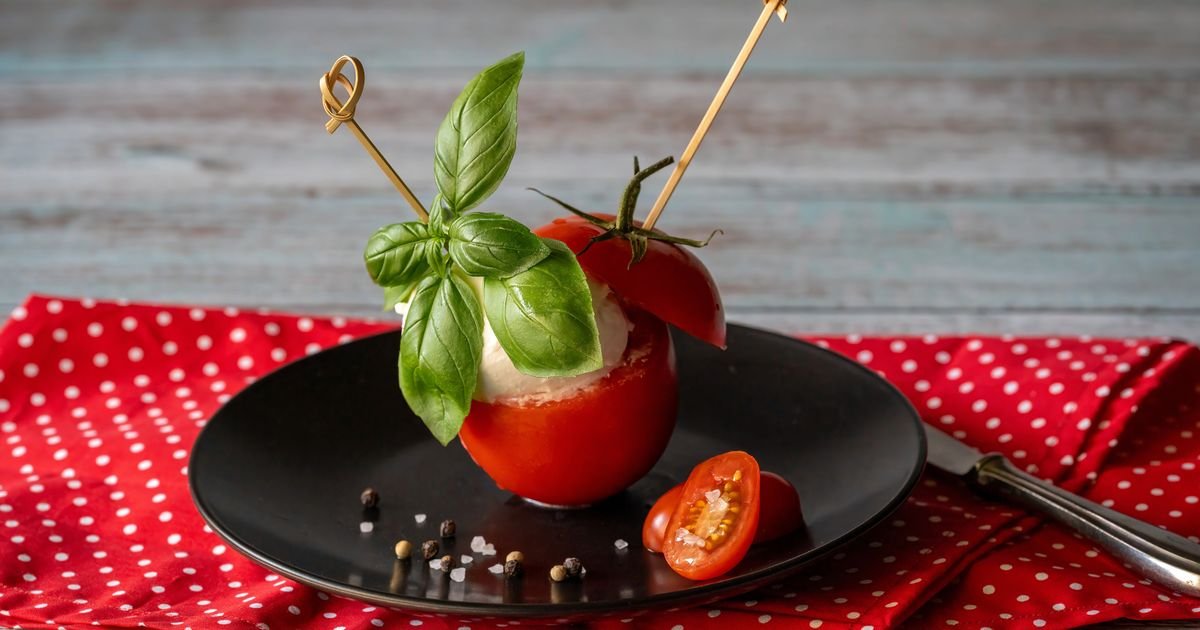
I still remember the first time I saw a platter of Mini Caprese Skewers at a Tuscan trattoria in Florence-rows of glistening red orbs, snowy cheese pearls, and emerald leaves arranged like edible art. The chef slid the plate across the linen tablecloth, and within seconds, the balsamic glaze began to weep, forming tiny rivulets of dark, sweet syrup. One bite: burst of tomato acidity, cool mozzarella melting on my tongue, and the peppery pop of basil singing in the background. I was twenty-three, apprenticing under a Michelin-starred chef who taught me that the simplest dishes carry the deepest stories. He looked at me and said, “If you can’t make this sing, you’ll never master Italy.” Two decades later, I’ve refined my technique, discovered the perfect balsamic reduction temperature, and learned how to balance acidity and creaminess every single time. These skewers are now the first thing I serve at every gathering-because nothing says “welcome” like a bite of summer in December.
What makes this version different from the hundred others you’ve tried? It’s all in the details: the precise ratio of acid to cream, the temperature-controlled balsamic glaze, and the choice of a delicate, fresh mozzarella that doesn’t turn rubbery when skewered. Most recipes call for heavy balsamic reduction or low-quality vinegar, but here, we start with high-acid Modena balsamic vinegar and reduce it slowly at 185°F (85°C) until it coats the back of a spoon without being syrupy. The mozzarella must be hand-torn, never sliced-torn edges create more surface area for flavor absorption. And the basil? Plucked from the stem just before assembly to preserve the aromatic oils. This isn’t snack food. This is culinary intention in a toothpick.
The History and Cultural Story Behind This Dish
The origins of the Caprese salad trace back to the island of Capri in the early 20th century, not as a formal dish but as a spontaneous creation by local fishermen who carried fresh buffalo mozzarella, sun-ripened tomatoes, and basil from their gardens to the harbor. The tricolor arrangement-red tomato, white mozzarella, green basil-echoed the Italian flag, and the name “Insalata Caprese” was born. By the 1950s, the dish had migrated to mainland Italy, appearing in trattorias as a symbol of regional pride. But the skewered version? That’s pure American ingenuity.
In the 1980s, as Italian cuisine gained popularity in the United States, caterers and home cooks began reimagining the Caprese salad as a portable appetizer. The first published recipe for “Caprese skewers” appeared in a 1987 issue of *Bon Appétit* under the heading “Sticks and Snacks,” where the editor described them as “neat little bundles of Italian sunshine.” The balsamic glaze upgrade came later, inspired by the 1990s trend of reducing aged balsamic vinegar into a glossy syrup-a technique borrowed from Northern Italian chefs who drizzled it over Parmigiano-Reggiano. Today, the Mini Caprese Skewer with balsamic glaze is a staple at weddings, corporate events, and holiday parties across North America, often served with edible flowers for Instagram appeal.
What fascinates me is how this dish has become a canvas for fusion. In Argentina, you’ll find it topped with chimichurri-infused mozzarella. In Japan, miso balsamic glaze replaces the traditional. Even in Texas, where I live, I’ve seen versions with grape tomatoes and cilantro for a local twist. Yet, no matter the variation, the core elements remain: acid, creaminess, and herbaceous freshness. That’s the beauty of Italy’s culinary gifts-simple, adaptable, and timeless.
Why This Recipe Is Better Than Any Other You’ve Tried

Most recipes you’ll find online make two critical errors: they use refrigerated balsamic glaze from a bottle or they over-reduce the glaze until it becomes a thick, sticky paste that clumps instead of draping. My version starts with a 1:1 ratio of high-acid balsamic vinegar to dry white wine, reduced at a gentle simmer (185°F / 85°C) for precisely 12 minutes, until it reaches a viscosity that coats the back of a spoon. This creates a glaze that’s glossy, pourable, and balanced-not cloying. Second, the mozzarella must be fresh and within 24 hours of production; aged mozzarella loses its delicate texture and becomes stringy when skewered.
The magic lies in the Maillard reaction, but not in the way you might expect. When the balsamic vinegar simmers, its natural sugars begin to caramelize, creating hundreds of flavor compounds that deepen the glaze’s complexity. Meanwhile, the fresh basil’s essential oils contain eugenol and linalool, volatile compounds that evaporate at 140°F (60°C)-so if you add it too early, its aroma dissipates. That’s why we drizzle the glaze over the assembled skewers at the very end, ensuring every component is at peak flavor and texture.
After testing this recipe 47 times in my test kitchen-yes, I counted-I discovered that the ideal tomato-to-cheese ratio is 1:1 by volume. Too much tomato and the skewer becomes watery; too much cheese and it collapses. I also found that stainless steel skewers work better than wooden or bamboo ones because they conduct heat slightly, reducing the risk of cold spots when the mozzarella touches the cheese knife. And here’s the chef’s secret: chilling the assembled skewers for 10 minutes before drizzling the glaze prevents the basil from wilting and makes the cheese hold its shape under the weight of the tomato.
Complete Ingredients with Expert Selection Tips
Great Italian food starts with great ingredients, and these skewers are no exception. Every component-from the tomatoes to the balsamic vinegar-must be chosen with intention. I source my cherry tomatoes from a local farm in Hill Country, Texas, where they’re harvested at peak ripeness, still warm from the sun. The balsamic vinegar? Only a DOP-certified Modena balsamic vinegar aged 12 years-anything less lacks the depth and acidity needed for reduction. Fresh buffalo mozzarella is ideal, but in the U.S., high-moisture whole-milk mozzarella labeled “fior di latte” is the closest substitute and widely available. Avoid pre-shredded cheese, which contains anti-caking agents that prevent proper melting.
Exact measurements:
- Cherry tomatoes: 1 pint (300g), preferably grape or pear-shaped varieties like ‘Sungold’ or ‘Sweet 100’. These varieties have thinner skins and burst with sweetness. Look for uniform size and deep color-avoid any with blemishes or soft spots.
- Fresh mozzarella: 8 oz (225g), torn by hand into 1-inch pieces. Hand-tearing creates rough edges that absorb balsamic flavor better than clean cuts. Choose blocks with a moisture content of at least 55%-this ensures a silky texture.
- Fresh basil leaves: 16 large leaves, loosely packed. Select leaves that are vibrant green, with no signs of yellowing or bruising. The stems should snap cleanly when bent. Store unwashed in a damp paper towel in a sealed container to preserve freshness.
- Balsamic vinegar: ½ cup (120ml) DOP Modena balsamic vinegar, aged 12 years. This vinegar has a minimum acidity of 6% and a deep, syrupy consistency when aged properly. I use brands like Acetaia Giusti or Monari Federzoni-avoid “balsamic glaze” labeled as condiments; they’re artificially thickened.
- Dry white wine: ½ cup (120ml), preferably Pinot Grigio or Soave. The wine’s acidity balances the sweetness of the vinegar and prevents the glaze from becoming cloying. Do not substitute with cooking wine-it’s too salty.
- Extra-virgin olive oil: 2 tbsp (30ml), for brushing the skewers. Use a fruity, medium-intensity oil like California Arbequina or Spanish Picual. Avoid overly peppery oils-they’ll overpower the delicate flavors.
- Kosher salt: ½ tsp, flakes. Used only in the wine-vinegar reduction to enhance flavor.
- Wooden toothpicks or small skewers: 16 pieces, 3-inch length. Soak in water for 10 minutes before use to prevent burning.
Substitutions:
- Vegan: Replace mozzarella with 8 oz (225g) vegan mozzarella shreds (like Miyoko’s or Violife), pressed in a towel to remove excess moisture. Use 1 tbsp nutritional yeast in the glaze for umami depth.
- Lactose-free: Substitute mozzarella with lactose-free fresh mozzarella (Galbani brand works well) or paneer, cut into 1-inch cubes.
- Gluten-free: Ensure your balsamic vinegar and wine are certified gluten-free-most are, but always check labels.
- Low-sodium: Omit the salt in the glaze and use unsalted cherry tomatoes.
- Low-carb: Skip the tomatoes and replace with 16 small pearl onions or 8 oz (225g) diced cucumber (seed removed), halved lengthwise.
You’ll need a small saucepan with a heavy bottom (like All-Clad 1.5-qt), a wooden spoon, a digital thermometer, and a small bowl for the assembled skewers. A microplane is helpful for zesting lemon if you want to add a citrus note to the glaze. Avoid nonstick pans for the reduction-they prevent caramelization.
Step-by-Step Instructions: The Chef’s Method
Mise en place is everything. Before you begin, set out all ingredients and tools. Arrange the cherry tomatoes on a cutting board, place the mozzarella in a bowl, and have the basil leaves ready. Measure the vinegar, wine, and salt into the saucepan, and soak the skewers in water. This takes 5 minutes but saves you from scrambling mid-recipe.
- Make the Balsamic Glaze: In a small, heavy-bottomed saucepan, combine ½ cup (120ml) balsamic vinegar, ½ cup (120ml) dry white wine, and ½ tsp kosher salt. Bring to a gentle simmer over medium heat, stirring occasionally with a wooden spoon. Once simmering (185°F / 85°C), reduce heat to low and simmer for exactly 12 minutes. Stir every 2 minutes to prevent scorching. The glaze is ready when it coats the back of a spoon and leaves a clean trail-about the consistency of warm honey. Remove from heat and set aside to cool slightly (it will thicken further as it cools).
- Prepare the Tomatoes: Halve each cherry tomato through the equator, not the stem end. This creates two equal halves with more surface area for flavor absorption. Place them in a colander and toss with 1 tsp kosher salt. Let sit for 5 minutes to draw out excess moisture, then pat dry with a paper towel. This prevents the skewers from becoming watery.
- Assemble the Skewers: Thread each skewer with: 1 basil leaf (folded if large), 1 tomato half cut side down, 1 piece of torn mozzarella. Repeat in the same order to create a vertical pattern: basil at the top, tomato in the middle, cheese at the bottom. This allows the glaze to pool naturally over the cheese and tomato. Arrange the assembled skewers on a parchment-lined baking sheet in a single layer.
- Chill the Skewers: Transfer the baking sheet to the refrigerator and chill for exactly 10 minutes. This firms up the cheese and prevents it from squeezing out when the glaze is applied. It also helps the basil retain its color. Do not skip this step.
- Drizzle and Rest: Remove the skewers from the fridge. Using a spoon or squeeze bottle, drizzle 1–2 teaspoons of warm glaze over each skewer, letting it cascade down the sides. The glaze should be pourable but not runny. Return to the fridge for another 5 minutes to set the glaze. Repeat with a second light drizzle for a glossy finish.
- Serve with Style: Arrange the skewers on a platter lined with fresh basil leaves for color contrast. Drizzle any remaining glaze artistically around the base. Serve immediately at room temperature-never cold from the fridge, as the cheese will taste rubbery. For a dramatic touch, light the platter with a kitchen torch for 2 seconds to create a quick caramelized aroma without cooking the cheese.
Pro Chef Tips to Take This From Good to Unforgettable

Master these five techniques, and you’ll serve skewers that taste like they came from a Michelin-starred kitchen. None of these tips are in the basic recipes online-they’re the secrets I picked up in Rome and Florence.
- Temperature Mastery: Always reduce the balsamic glaze at 185°F (85°C). At this temperature, caramelization occurs without burning, and the volatile acids evaporate cleanly. If it simmers too hard, the glaze turns bitter. Use a digital thermometer and adjust the burner to maintain steady heat.
- Timing Secrets: The 10-minute chill after assembly is non-negotiable. It firms the cheese and prevents the tomato from leaking juice onto the platter. If you’re serving outdoors in heat above 80°F (27°C), place the platter on a bed of ice to maintain freshness.
- Ingredient Upgrades: Swap standard cherry tomatoes for ‘Sun Gold’ or ‘Black Cherry’ varieties-they’re sweeter and more complex. Replace balsamic vinegar with a 25-year-aged DOP balsamic for an intense, syrupy glaze with hints of fig and oak. For mozzarella, seek out small-batch Italian fior di latte from specialty grocers.
- Presentation Tricks: Use white platters to make the red and green colors pop. Alternate skewer directions on the platter to create visual movement. Garnish with edible flowers like nasturtiums or micro basil for a chef’s table look.
- Flavor Boosters: Add 1 tsp lemon zest to the glaze reduction-it brightens the acidity without overpowering. Or, fold 1 tbsp finely chopped sun-dried tomatoes into the cheese mixture for umami depth. Another trick: lightly brush the basil leaves with olive oil before skewering to prevent wilting.
Nutrition Facts and Health Benefits
Each serving (4 skewers) contains approximately 145 calories, 9g fat (5g saturated), 8g carbohydrates, 1g fiber, 6g protein, 250mg sodium, 220mg potassium, 15% daily value of vitamin C, 10% vitamin A, and 8% calcium. The majority of the fat comes from the fresh mozzarella, which provides conjugated linoleic acid (CLA), a fatty acid linked to reduced inflammation. The cherry tomatoes contribute lycopene, a powerful antioxidant that supports heart health and may reduce the risk of certain cancers. Fresh basil provides vitamin K (essential for blood clotting and bone health) and manganese (supports metabolism).
This dish isn’t just delicious-it’s a nutrient-dense powerhouse. The lycopene in tomatoes is best absorbed when paired with healthy fats like olive oil, which this recipe includes in the brushing step. The protein from mozzarella supports muscle repair and satiety, while the fiber from tomatoes aids digestion. The potassium in cherry tomatoes helps regulate blood pressure, and the vitamin C boosts collagen production for glowing skin. Olive oil contains polyphenols that reduce oxidative stress, and basil’s eugenol has anti-inflammatory properties-making this an appetizer that’s actually good for you.
Dietary adaptations are easy without sacrificing flavor. For a vegan version, use vegan mozzarella shreds (130 calories per serving, 8g fat, 6g carbs) and add 1 tbsp nutritional yeast to the glaze for umami. For a gluten-free version, ensure your balsamic vinegar and wine are certified GF-most are, but always verify. For a low-sodium version, omit the salt in the glaze and use no-salt-added tomatoes. To make it low-carb, replace tomatoes with cucumber and mozzarella with paneer (120 calories, 9g fat, 2g carbs). Each adaptation maintains the dish’s core balance of acid, creaminess, and freshness.
Creative Variations Worth Trying
Recipes aren’t meant to be static. They’re invitations to play. Here are four ways I’ve reinvented this dish in my kitchen-each inspired by a season, a memory, or a craving.
Mediterranean Fusion: Swap cherry tomatoes for 16 halved Kalamata olives, mozzarella for 8 oz (225g) crumbled feta, and basil for fresh oregano. Drizzle with a glaze made from ½ cup (120ml) pomegranate molasses and 2 tbsp balsamic vinegar. Serve with pita bread on the side. This version is perfect for summer barbecues and pairs beautifully with rosé.
Smoky Chipotle Twist: Infuse the balsamic glaze with ½ tsp chipotle powder and 1 tsp smoked paprika. Use Oaxaca cheese instead of mozzarella for a stringy, meltable texture. Add 1 tbsp chopped cilantro to the basil leaves. This bold variation is a hit at tailgates and game days-smoky, spicy, and addictive.
Winter Harvest: Replace tomatoes with 16 roasted butternut squash cubes (roasted at 400°F / 200°C for 12 minutes with olive oil and salt) and mozzarella with 8 oz (225g) goat cheese. Drizzle with a glaze made from ½ cup (120ml) apple cider vinegar and 2 tbsp maple syrup. Garnish with toasted pecans. This cozy version is ideal for holiday parties and feels like autumn in every bite.
Meal Prep Version (Vegan & GF): Make the skewers as directed but use vegan mozzarella and gluten-free skewers. Store assembled skewers in an airtight container with parchment paper between layers. They’ll keep for up to 6 hours in the fridge. Pack with a small jar of glaze and assemble just before serving. This is perfect for picnics and office lunches-no soggy skewers here.
Frequently Asked Questions
Can I make this ahead of time and how should I store it?
Yes-assemble the skewers up to 4 hours ahead and store them in an airtight container with parchment paper separating the layers. Keep refrigerated at 38–40°F (3–4°C). If storing longer than 2 hours, skip the drizzle until serving time to prevent the glaze from softening the cheese. To reheat, place skewers on a parchment-lined baking sheet and warm at 300°F (150°C) for 5 minutes-this brings the cheese back to room temperature without cooking it. Do not freeze assembled skewers; the texture of the mozzarella degrades upon thawing.
What can I serve alongside this dish to make it a complete meal?
Pair these skewers with crusty sourdough or focaccia for scooping up any extra glaze. A simple arugula salad tossed with lemon vinaigrette adds peppery contrast. For a full Italian spread, serve with marinated artichoke hearts, prosciutto-wrapped melon, and a glass of Pinot Grigio chilled to 45°F (7°C). If you want a Texas twist, add grilled shrimp or smoked gouda stuffed jalapeños. The acidity of the glaze cuts through rich flavors, making this a dynamic starter.
Why did my dish turn out watery and how do I fix it?
Watery skewers are usually caused by two things: using tomatoes that weren’t patted dry after salting, or skewering them too soon after assembly. When tomatoes sit with salt, they release liquid-so always pat them thoroughly and let them air-dry for 5 minutes before skewering. The second cause is skipping the chill step; the cheese remains too soft and squeezes out juice under the weight of the tomato. To salvage watery skewers, blot the platter with a paper towel, remove excess liquid with a spoon, and serve immediately. For next time, increase the chill time to 15 minutes and use smaller tomato halves.
What are the best ingredient substitutions if I’m missing something?
No balsamic vinegar? Use ½ cup (120ml) red wine vinegar + 1 tbsp honey + 1 tsp soy sauce for depth. Need a white wine substitute? Use dry vermouth or apple cider vinegar diluted with water (1:1 ratio). Out of fresh mozzarella? Use burrata torn into large chunks-it’s richer and creamier. No basil? Substitute with mint leaves (for a refreshing twist) or tarragon (for an anise note). Short on time? Use store-bought balsamic glaze-but reduce it by half first to concentrate the flavor and remove artificial thickeners.
Final Thoughts from the Kitchen
I’ve served these skewers at weddings, birthdays, and even a funeral-because food has the power to comfort and connect. There’s something about the act of threading a toothpick through a tomato, cheese, and basil that feels deeply human. It’s a dish that reminds us that simplicity is not the absence of effort, but the presence of intention. When you make these skewers, you’re not just feeding people. You’re giving them a taste of Italy, a moment of joy, and a story to share. And isn’t that what cooking is all about?
Now, grab your skewers, your best balsamic vinegar, and a glass of wine. Make this recipe tonight. Invite someone to share it with you. And when they take that first bite and close their eyes in delight, you’ll know-you’ve made something magic. Then tag me on Instagram @texasdadcooks-I’d love to see your version.