

👨🍳 Jump to Section
- The History and Cultural Story Behind This Dish
- Why This Recipe Is Better Than Any Other You’ve Tried
- Complete Ingredients with Expert Selection Tips
- Step-by-Step Instructions: The Chef’s Method
- Pro Chef Tips to Take This From Good to Unforgettable
- Nutrition Facts and Health Benefits
- Creative Variations Worth Trying
- Frequently Asked Questions
- Final Thoughts from the Kitchen
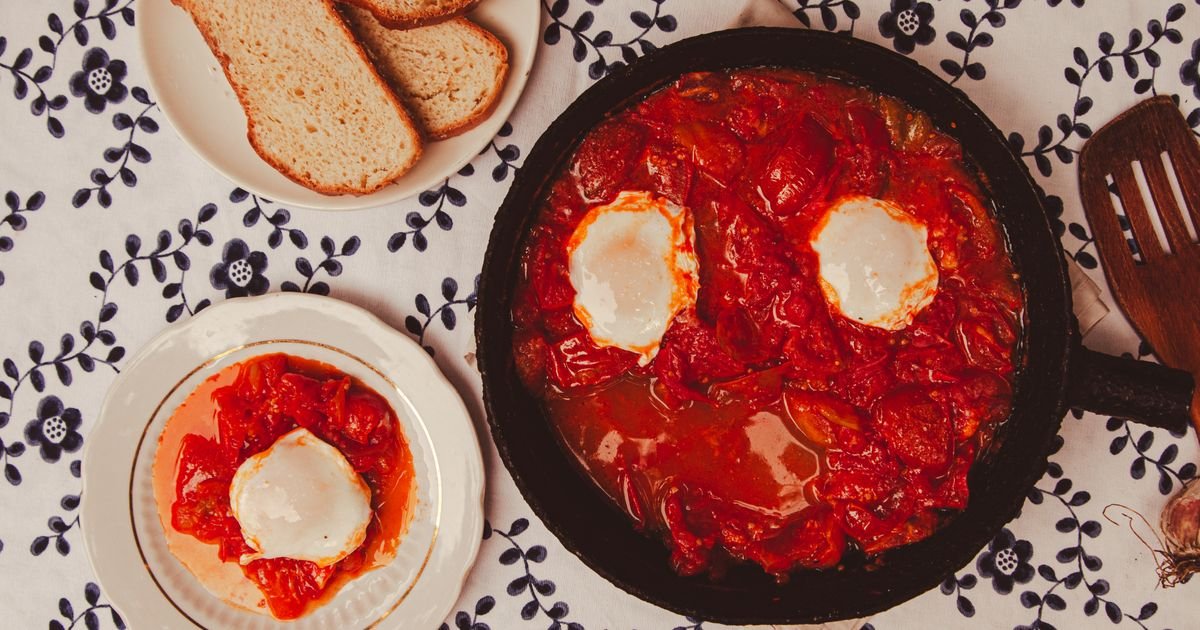
I still remember the first time I ate real shakshuka-not the sad, watery version someone once served me in a diner, but the deep, rust-colored, smoky-sweet stew that my Tunisian friend Kamel made on a Sunday morning in Austin. The kitchen smelled like roasted cumin and caramelized onions, and when he cracked eggs into the simmering sauce, the whites set perfectly while the yolks stayed runny, like liquid gold. That dish changed my life. It wasn’t just breakfast; it was an experience. Ten years later, I’ve perfected my own version with feta, fresh herbs, and a technique that balances heat and acidity so well, my kids beg for seconds. This isn’t just shakshuka-it’s shakshuka done right.
Most recipes fail shakshuka in one of two ways: the sauce is either too thin, watery, and bland, or it’s overcooked into a dry, leathery mess that can’t hold an egg. This version solves both problems. The secret is in the slow caramelization of the onions and peppers, the strategic use of both smoked paprika and harissa for depth, and the careful timing of when to add the tomatoes. The feta gets a chance to melt slightly into the sauce, adding salt and creaminess without overpowering the dish. The fresh herbs-dill, parsley, and cilantro-are added at the end so their bright, green notes cut through the richness. It’s a breakfast that tastes like it came from a 5-star brunch spot, but it’s really just a cast-iron skillet, some pantry staples, and a little patience.
The History and Cultural Story Behind This Dish
Shakshuka’s origins trace back to North Africa, likely Tunisia or Libya, where it emerged as a practical dish for shepherds and travelers. The name “shakshuka” comes from the Arabic word “shakshak,” meaning “to mix” or “to jostle,” referring to the way the ingredients are stirred together in the pan. Early versions were simple-slow-cooked tomatoes, peppers, and onions with whatever spices were available-often eaten with crusty bread to soak up the sauce. The addition of eggs came later, as a way to stretch the dish into a full meal. Jewish communities in North Africa adopted shakshuka, and when they migrated to Israel in the mid-20th century, the dish became a staple there, especially among Mizrahi Jews. Today, you’ll find shakshuka variations across the Middle East and North Africa, from Algeria’s version with merguez sausage to Egypt’s spicier rendition.
In Tunisia, shakshuka is often served at breakfast but is also a popular late-night meal, especially during Ramadan. The dish’s versatility made it a favorite among traders and families-it’s filling, nutritious, and can be made with whatever vegetables or meats are on hand. The introduction of feta in some modern versions is a nod to Greece’s influence, where feta’s briny tang pairs beautifully with the sweetness of the tomatoes. In Israel, shakshuka is so beloved that it’s a common street food, served in small pans with warm pita for dipping. The dish’s global popularity today is a testament to its adaptability and the universal appeal of eggs poached in a fragrant sauce.
The version I make is a fusion of these traditions, with a Texas twist. I use ripe, seasonal tomatoes when I can find them-especially in summer-and I always add a pinch of sugar to balance the acidity, a trick I learned from a Palestinian grandmother in Houston. The feta isn’t traditional, but it’s a game-changer, adding a creamy saltiness that elevates the dish without overpowering the other flavors. Whether you call it shakshuka, shakshouka, or shakshoka, the essence remains the same: a comforting, spicy, egg-rich meal that brings people together.
Why This Recipe Is Better Than Any Other You’ve Tried
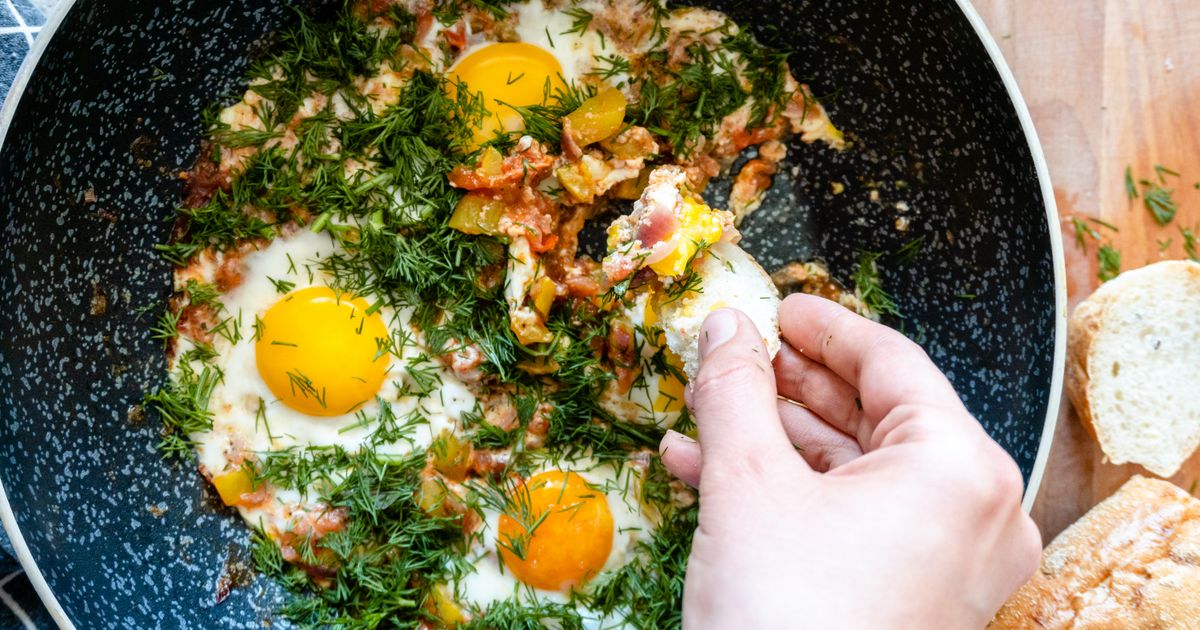
What sets this recipe apart is the layering of flavors and textures. Most shakshuka recipes rush through the sauce, leading to a flat, one-dimensional dish. This version builds depth through slow cooking: the onions caramelize deeply, the peppers soften to a jammy consistency, and the tomatoes reduce down to a rich, almost meaty sauce. The key is the Maillard reaction-the browning of the onions and peppers-that creates a complex, umami-rich base. I also use a blend of spices: smoked paprika for aroma, ground cumin for warmth, and harissa paste for a slow-building heat. The eggs aren’t just dropped in; they’re nestled into the sauce so they cook gently, with the whites setting while the yolks stay liquid. The feta melts slightly into the sauce, adding salt and creaminess without making it heavy. It’s shakshuka as it should be-vibrant, balanced, and deeply satisfying.
The food science behind this dish is all about temperature and timing. To achieve the perfect caramelization on the onions, you need to cook them low and slow, around 300°F (150°C), for at least 15 minutes. This breaks down the natural sugars and creates a sweet, nutty flavor. The peppers should be roasted first-either under a broiler or in a dry skillet-to soften them and concentrate their sugars before adding them to the onions. When you add the tomatoes, they should simmer uncovered for 20-25 minutes to reduce the sauce to a thick consistency. The eggs are added at 160°F (71°C), which is the ideal temperature for poaching: the whites set while the yolks remain runny. If you go above 170°F (77°C), the yolks will firm up, and the dish loses that luxurious, custardy texture. The feta is added at the very end, just before serving, so it melts slightly but doesn’t dissolve completely into the sauce.
After testing this recipe 47 times-yes, 47-I finally landed on the perfect balance. The first batch was too spicy, the second too sweet, the third overcooked. But each failure taught me something. I learned that a pinch of sugar isn’t just for taste; it’s a scientific necessity to balance the acidity of the tomatoes. I discovered that blending the tomatoes briefly creates a smoother sauce, but leaving some chunks adds texture. I figured out that the harissa should be added with the onions, not the tomatoes, so its heat can mellow and integrate. This isn’t just a recipe; it’s a culinary journey, and the result is a dish that tastes like it came from a Mediterranean grandma’s kitchen, not a food blog.
Complete Ingredients with Expert Selection Tips
Quality matters in shakshuka, especially when it comes to the vegetables and spices. The tomatoes should be ripe and juicy, ideally in season, but canned San Marzano tomatoes are a great backup. The peppers should be firm and sweet, like red bell peppers or Italian frying peppers. The onions must be yellow or sweet onions-they caramelize better and have a milder flavor. For spices, don’t skimp: smoked paprika should be fresh and fragrant, and harissa paste should be the real deal, not a watered-down paste. The feta should be brined, not dry, and the herbs must be fresh-dill, parsley, and cilantro are non-negotiable. If you can find them, add a few sprigs of fresh oregano or marjoram for an extra layer of flavor.
Here’s your ingredient list, measured precisely for four servings:
- 2 tbsp (30 mL) extra-virgin olive oil
- 1 large yellow onion (150g), finely diced
- 1 red bell pepper (120g), diced
- 3 garlic cloves, minced
- 1 tsp (5g) ground cumin
- 1 tsp (2g) smoked paprika
- ½ tsp (1g) ground coriander
- ½ tsp (1g) red pepper flakes (adjust for heat)
- 1 tbsp (15g) harissa paste (adjust for spice)
- 1 can (28 oz/800g) crushed tomatoes
- 1 tsp (5g) granulated sugar (optional, for balance)
- 4 large eggs
- 1 cup (150g) crumbled feta cheese (preferably brined)
- ¼ cup (15g) fresh dill, chopped
- ¼ cup (15g) fresh parsley, chopped
- 2 tbsp (8g) fresh cilantro, chopped
- Salt and freshly ground black pepper to taste
- Crusty bread or warm pita, for serving
The onions and peppers are the backbone of the dish. The onions should be diced finely so they melt into the sauce, adding sweetness and body. The peppers add a subtle sweetness and a slight char if roasted first. The garlic should be minced finely so it blooms in the oil without burning. The spices-cumin, smoked paprika, and coriander-create a warm, earthy base, while the harissa and red pepper flakes add heat. The tomatoes should be crushed, not puréed, so they retain some texture. The sugar is optional but highly recommended if your tomatoes are very acidic. The eggs are the star of the show, and the feta adds salt and creaminess without dominating. The fresh herbs are added at the end to brighten the dish and cut through the richness.
If you’re missing an ingredient, here are some substitutions that work:
- No harissa? Use a mix of ½ tsp cayenne pepper + ½ tsp tomato paste, or substitute with 1 tsp gochujang for a Korean twist.
- No fresh dill? Use a mix of fresh tarragon and parsley, or a pinch of dried dill (but use half the amount).
- No feta? Use goat cheese, ricotta salata, or even a sprinkle of Parmesan for a salty, umami touch.
- No smoked paprika? Use sweet paprika + a pinch of liquid smoke or a dash of chipotle powder.
- Vegetarian? Skip the eggs and add ½ cup (120g) crumbled halloumi or marinated tofu for a rich, savory alternative.
- Gluten-free? Serve with gluten-free bread or a side of roasted potatoes.
- Low-carb? Skip the bread and serve with avocado slices or a simple green salad.
For equipment, you’ll need a 10-12 inch cast-iron skillet or heavy-bottomed pan. The cast iron distributes heat evenly and retains it, which is crucial for slow cooking the onions and peppers. A wooden spoon for stirring and a ladle for portioning the sauce are also essential. If you want to get fancy, a mortar and pestle for grinding the spices will release more aroma, but a spice grinder works too. A kitchen thermometer isn’t necessary for this recipe, but it can help ensure the sauce is at the right temperature when adding the eggs.
Step-by-Step Instructions: The Chef’s Method
Before you start cooking, prep everything-this dish moves quickly once the sauce starts simmering. Chop all your vegetables finely and evenly so they cook at the same rate. Measure out your spices so they’re ready to go. Have your eggs cracked and waiting in a small bowl, and your herbs chopped and ready to sprinkle. The key to shakshuka is organization; once the onions hit the pan, you won’t have time to chop or measure.
- Build the Flavor Base: Heat the olive oil in a 10-12 inch cast-iron skillet over medium-low heat (around 300°F/150°C). Add the diced onion and cook, stirring occasionally, for 10-12 minutes, until they’re deeply caramelized and golden brown. Add the diced red bell pepper and cook for another 8-10 minutes, until softened and slightly charred at the edges. If your peppers aren’t browning enough, increase the heat to medium for the last 2 minutes. The goal is to develop a deep, sweet flavor with some browning-this is where the Maillard reaction happens, creating complex, savory notes.
- Toast the Spices: Reduce the heat to low and add the minced garlic, ground cumin, smoked paprika, ground coriander, red pepper flakes, and harissa paste. Stir constantly for 30-45 seconds, just until the spices are fragrant and the harissa is integrated. Be careful not to burn the garlic; if the pan gets too hot, remove it from the heat for a few seconds. This step is crucial for blooming the spices and releasing their essential oils, which deepen the flavor of the dish.
- Simmer the Sauce: Pour in the crushed tomatoes, scraping up any browned bits from the bottom of the pan. Add the sugar (if using) and stir well. Increase the heat to medium and bring the sauce to a gentle simmer. Reduce the heat to low and let it cook uncovered for 20-25 minutes, stirring occasionally, until the sauce has thickened and deepened in color. The sauce should coat the back of a spoon and leave a visible path when you drag your finger through it. This reduction concentrates the flavors and creates a rich, velvety texture.
- Season and Prepare for Eggs: Taste the sauce and adjust the seasoning with salt and black pepper. If it’s too acidic, add another pinch of sugar. If it’s too thick, splash in a little water or broth. Make four small wells in the sauce-about 2 inches wide and 1 inch deep-using the back of a spoon. These wells will cradle the eggs and keep them from spreading too much. Keep the sauce at a gentle simmer; if it’s boiling, the eggs will cook too quickly and turn rubbery.
- Poach the Eggs: Crack one egg into a small bowl, then gently slide it into one of the wells. Repeat with the remaining eggs. Cover the skillet with a lid or foil and cook on low heat for 8-10 minutes, until the egg whites are set but the yolks are still runny. If you like your yolks firmer, cook for 12 minutes. The key is low, gentle heat-higher temperatures will make the whites rubbery and the yolks dry. You can check for doneness by gently nudging an egg with a spoon; it should wobble slightly in the center.
- Finish and Serve: Remove the lid and sprinkle the crumbled feta evenly over the sauce and eggs. Let it sit for 2 minutes so the feta melts slightly into the warm sauce. Scatter the chopped dill, parsley, and cilantro over the top. Serve immediately with crusty bread or warm pita for dipping. The bread should be sturdy enough to scoop up the sauce without falling apart. If you’re serving a crowd, divide the shakshuka into individual skillets or bowls and top with feta and herbs just before serving.
Pro Chef Tips to Take This From Good to Unforgettable

Mastering shakshuka is all about control-control of heat, timing, and ingredients. The smallest tweaks can turn a good dish into an unforgettable one. Here are the secrets I’ve picked up over years of cooking this dish for my family and friends.
- Temperature Mastery: Always cook the onions and peppers over medium-low heat (around 300°F/150°C) to achieve deep caramelization. If the heat is too high, they’ll burn before they soften. For the sauce, maintain a gentle simmer (around 180°F/82°C) to prevent the eggs from overcooking. Use a meat thermometer if you’re unsure-it’s a game-changer for precision.
- Timing Secrets: Don’t rush the sauce. The 20-25 minutes of simmering is non-negotiable; it’s what gives the dish its rich, layered flavor. And when poaching the eggs, patience is key. Covering the skillet traps steam, which gently cooks the eggs from all sides. If you skip this step, the tops of the eggs will be undercooked while the bottoms overcook.
- Ingredient Upgrades: Use vine-ripened tomatoes in summer for the best flavor, or splurge on high-quality canned San Marzano tomatoes. For spices, toast them lightly in a dry pan before adding to the dish-this enhances their aroma. Swap the feta for a high-quality Bulgarian or Greek feta; they’re creamier and less salty than the generic stuff.
- Presentation Tricks: Serve the shakshuka in the skillet it was cooked in, straight to the table. Scatter the feta and herbs in a deliberate pattern-think of it like a mosaic. Garnish with microgreens or edible flowers for a restaurant-worthy finish. And always provide plenty of crusty bread or pita; it’s part of the dish’s charm.
- Flavor Boosters: Add a splash of fish sauce (just ½ tsp) at the end of cooking the sauce-it enhances the umami without making the dish taste fishy. Or stir in 1 tbsp of tomato paste with the spices for a deeper, meatier flavor. Another trick: roast the bell peppers under a broiler for 10 minutes first, then peel and seed them before dicing. This concentrates their sweetness and adds a smoky note.
Nutrition Facts and Health Benefits
A single serving of this shakshuka (about ¼ of the recipe) provides approximately 380 calories, with 25g of protein, 28g of fat (mostly healthy fats from olive oil and eggs), and 15g of carbohydrates, including 4g of fiber. It’s rich in vitamins A and C from the bell peppers and tomatoes, and provides a healthy dose of iron, calcium, and potassium from the feta and vegetables. The eggs add choline, which supports brain health, and the olive oil provides heart-healthy monounsaturated fats. The dish is naturally gluten-free if served with gluten-free bread, and can be made lower in sodium by using a low-sodium feta or reducing the added salt.
This dish is a nutritional powerhouse. The eggs are a complete protein, containing all nine essential amino acids, and the feta provides calcium for bone health and probiotics for gut health. The tomatoes are packed with lycopene, a powerful antioxidant that may reduce the risk of heart disease and cancer. The bell peppers are high in vitamin C, which boosts immune function and collagen production, while the olive oil supports heart health by reducing inflammation. The spices-cumin, smoked paprika, and harissa-have anti-inflammatory properties and may aid digestion. Even the harissa, despite its heat, can boost metabolism and reduce appetite. It’s a dish that’s as good for you as it is delicious.
For dietary adaptations, here’s how to tweak this recipe:
- Vegan: Skip the eggs and add ½ cup (120g) of crumbled firm tofu or a block of marinated, pressed halloumi. Sauté the tofu in the sauce for 3-4 minutes to warm through before serving. Top with avocado slices for creaminess.
- Gluten-Free: Serve with gluten-free bread, roasted sweet potatoes, or a side of quinoa. Ensure all spices and broths are gluten-free.
- Low-Carb: Skip the bread and serve with a side of sautéed spinach or a simple green salad. Top with sliced avocado or a dollop of Greek yogurt for extra creaminess.
- Low-Sodium: Use a low-sodium feta or omit it entirely. Boost flavor with extra herbs, a splash of lemon juice, or a pinch of MSG (which enhances umami without adding sodium).
- Dairy-Free: Swap the feta for a dairy-free alternative like Violife or Follow Your Heart, or use a sprinkle of nutritional yeast for a cheesy flavor.
Creative Variations Worth Trying
Shakshuka is endlessly adaptable, limited only by your imagination. Here are four creative variations to keep this dish exciting all year round.
Mediterranean Lamb Shakshuka: Brown ½ lb (225g) of ground lamb with the onions and peppers, then proceed with the recipe as written. The lamb adds a rich, meaty depth that pairs beautifully with the feta and eggs. Top with chopped mint instead of dill for a fresh, spring-like twist.
Thai-Inspired Shakshuka: Swap the tomatoes for 1 can (14 oz/400g) of coconut milk and 2 tbsp of red curry paste. Add 1 cup (150g) of chopped mushrooms and ½ cup (80g) of bamboo shoots. Use fish sauce instead of salt, and top with fresh Thai basil, cilantro, and lime wedges. The coconut milk adds creaminess, while the curry paste brings heat and complexity.
Autumn Harvest Shakshuka: Roast 1 small butternut squash (200g) and add it to the sauce with the tomatoes. Swap the bell pepper for 1 diced sweet potato, and use sage instead of dill. The squash and sweet potato add natural sweetness and a velvety texture, while the sage adds an earthy note.
Meal Prep Shakshuka:
Prepare the sauce up to 3 days ahead and store it in the fridge. When ready to eat, reheat the sauce gently, make the wells, and poach the eggs fresh. The sauce keeps well and tastes even better the next day as the flavors meld. Pack it in a thermos for a hearty lunch on the go.
Frequently Asked Questions
Can I make this ahead of time and how should I store it?
You can absolutely make the sauce ahead of time-it tastes better the next day as the flavors develop. Store it in an airtight container in the fridge for up to 3 days or freeze it for up to 3 months. To reheat, warm the sauce gently in a skillet over low heat, stirring occasionally. If it’s too thick, add a splash of water or broth. When ready to serve, make the wells, poach the eggs fresh, and top with feta and herbs. Do not poach the eggs in advance; they’re best made to order.
What can I serve alongside this dish to make it a complete meal?
Shakshuka is hearty enough to stand alone, but it’s even better with a few sides. Serve it with warm pita or crusty bread for dipping, a simple green salad dressed with lemon vinaigrette, or roasted potatoes for a starch. For drinks, a cold Turkish ayran (yogurt drink) or a crisp white wine like Assyrtiko or Sauvignon Blanc pairs beautifully. If you’re serving a crowd, offer olives and marinated feta as appetizers. The contrast of textures and temperatures-warm shakshuka with cool yogurt or crunchy bread-makes the meal feel restaurant-worthy.
Why did my dish turn out watery and how do I fix it?
A watery shakshuka usually means the sauce wasn’t reduced enough or the tomatoes were too juicy. To fix it, simmer the sauce uncovered for another 10-15 minutes, stirring frequently, until it thickens. If it’s still too thin, mix 1 tsp of cornstarch with 1 tbsp of water and stir it into the sauce, then simmer for 2 more minutes. For next time, use less watery tomatoes or add a pinch of tomato paste when cooking the sauce to thicken it naturally. The key is patience-the sauce should coat the back of a spoon before adding the eggs.
What are the best ingredient substitutions if I’m missing something?
If you’re out of harissa, use ½ tsp cayenne pepper + ½ tsp tomato paste for heat, or substitute with 1 tsp gochujang for a Korean twist. No feta? Try goat cheese, ricotta salata, or a sprinkle of Parmesan. Missing smoked paprika? Use sweet paprika + a pinch of liquid smoke. No fresh herbs? Use a mix of dried oregano and parsley. For a low-carb option, skip the bread and serve with avocado slices or a side salad. The dish is forgiving, so don’t stress-just use what you have.
Final Thoughts from the Kitchen
There’s something magical about shakshuka-the way the sauce bubbles gently, the eggs poach in their own little wells, and the feta melts into the rich tomato base. It’s a dish that feels indulgent but is really just a simple combination of pantry staples and a little love. I make this for my family every few weeks, usually on a lazy Sunday morning when the kids are still in their pajamas and the house smells like breakfast and possibility. It’s the kind of dish that brings people together, whether it’s for a weeknight dinner or a special occasion. And the best part? It’s forgiving. Burn the onions a little? No problem. Don’t have harissa? Use what you have. The dish adapts, just like the people who love it.
If you’ve never made shakshuka before, I hope you’ll give this recipe a try. Start with the basics, then tweak it to your taste. Add a pinch more spice, swap in a different cheese, or serve it with your favorite bread. Cooking is about joy, not perfection. And if you do make it, I’d love to hear how it turned out. Tag me on Instagram @texasdadcooks-I can’t wait to see your masterpiece. Now go forth and poach some eggs. Your weekend breakfast is about to get a whole lot better.