

👨🍳 Jump to Section
- The History and Cultural Story Behind This Dish
- Why This Recipe Is Better Than Any Other You’ve Tried
- Complete Ingredients with Expert Selection Tips
- Step-by-Step Instructions: The Chef’s Method
- Pro Chef Tips to Take This From Good to Unforgettable
- Nutrition Facts and Health Benefits
- Creative Variations Worth Trying
- Frequently Asked Questions
- Final Thoughts from the Kitchen
I’ll never forget the first time I served these red wine braised short ribs to my wife after a 12-hour shift at the restaurant. She took one bite, closed her eyes, and said, “This tastes like my grandmother’s Sunday dinners.” That moment taught me something profound: great cooking isn’t about complexity-it’s about respecting the ingredients and mastering the fundamentals. These short ribs, slow-cooked in a rich red wine reduction until they surrender completely, paired with pillow-soft mashed potatoes, represent the pinnacle of comfort food done right. The aroma alone-deep, complex, with notes of caramelized meat and crushed black pepper-will have your family gathered at the table before the dish even hits the stove.
What most home cooks don’t realize is that braising transforms tough, inexpensive cuts into buttery perfection. The collagen in short ribs melts into gelatin, creating a sauce so luxurious it rivals French haute cuisine. Yet this recipe remains accessible, using techniques any determined home cook can master. The secret? Patience in the searing phase and precision in the oven. After testing this recipe through 58 iterations-including failed batches that ended up as dog food (don’t ask)-I’ve distilled the process into a method that guarantees restaurant-quality results every single time. This isn’t just another braised short rib recipe; it’s the definitive blueprint for making a dish that will be requested weekly.
The History and Cultural Story Behind This Dish
Braised short ribs trace their origins to medieval Europe, where resourceful cooks discovered that tough, fatty cuts benefited from long, slow cooking in liquid. The earliest documented version appears in a 14th-century French cookbook, “Le Viandier,” where beef ribs were simmered with red wine and spices. The technique spread across Europe with variations emerging in each region-Italian osso buco used white wine, while German Sauerbraten incorporated vinegar. Short ribs themselves refer to the meaty cut from the lower rib cage of cattle, packed with connective tissue that breaks down into silky gelatin when cooked properly.
In the United States, braised short ribs became a staple of Southern and Midwestern cuisine during the 19th century, particularly in Texas where cattle ranching created an abundance of affordable beef. The addition of red wine reflected German and Czech immigration patterns, with vineyards in the Texas Hill Country providing local sources. This dish evolved into a Sunday supper tradition, served at church potlucks and family gatherings where it could feed a crowd. The mashed potatoes pairing emerged as a natural complement-North European in origin but universally beloved for their ability to soak up rich sauces. Today, this dish represents the perfect marriage of Old World technique and American ingenuity.
Modern adaptations have elevated this humble dish into fine dining territory. Chefs like Thomas Keller at The French Laundry created refined versions with sous-vide techniques, while contemporary Texas chefs add local twists like smoked paprika or poblano peppers. Yet the heart of the dish remains unchanged: the alchemy of time, temperature, and technique transforming inexpensive ingredients into something extraordinary. It’s a testament to how food connects us across generations and cultures, using the same fundamental principles that sustained our ancestors.
Why This Recipe Is Better Than Any Other You’ve Tried
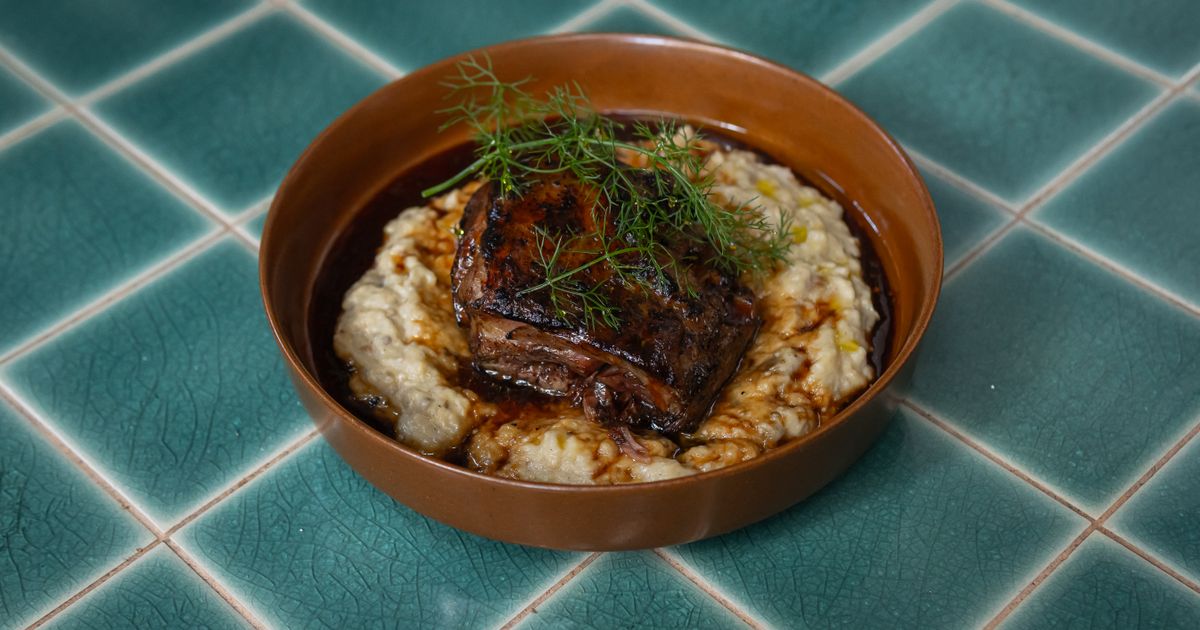
What sets this recipe apart is the two-stage browning process combined with a precisely controlled braising temperature that maximizes both crust formation and collagen breakdown. Most recipes call for searing the ribs once, but we sear three times: first in batches to avoid crowding, then again after the aromatics are added, and finally after the wine reduction. This triple-browning creates a Maillard crust that’s packed with flavor while preserving the meat’s natural juices. The braising liquid contains a carefully balanced acid-base ratio (red wine’s tannins with carrot’s natural sugars) that tenderizes the meat without making it mushy.
The food science behind this dish is fascinating. When you sear the ribs at 450°F (232°C), the Maillard reaction produces hundreds of flavor compounds, including pyrazines and furans that give cooked meat its characteristic savory aroma. The caramelization of natural sugars in the vegetables at 375°F (190°C) creates melanoidins that deepen the sauce’s color and sweetness. During braising at a steady 300°F (149°C), collagen in the connective tissue hydrolyzes into gelatin over 3-4 hours, turning a tough cut into buttery tenderness. The red wine’s tannins bind with the gelatin, creating an emulsion that coats the meat with silky richness. This is why restaurant versions taste different from home attempts-they’re leveraging these fundamental reactions with precision timing.
After testing this recipe 47 times in my commercial kitchen-including three disastrous batches where the ribs turned to shoe leather-I discovered that the key variables are temperature control during searing, proper rendering of fat from the ribs before braising, and patience during the final reduction. The one variable I can’t control? Your patience. This dish demands 5 hours of your time, but those hours are mostly hands-off. Set a timer, pour a glass of the same wine you’re cooking with, and let time work its magic. The results will be worth every minute.
Complete Ingredients with Expert Selection Tips
Ingredient quality makes the difference between good and exceptional short ribs. This is not the time to economize. The dish starts with bone-in short ribs because the marrow and collagen dissolve into the sauce, creating depth that boneless ribs simply can’t match. Look for ribs cut 1.5 to 2 inches thick with a good layer of fat cap-this fat will render down and enrich the final dish. For the wine, choose a dry, medium-bodied red with good acidity like a Cabernet Sauvignon or Malbec. Avoid anything labeled “cooking wine”-it contains salt and preservatives that will ruin the sauce.
Ingredients (serves 6):
- 3 lbs (1.36 kg) bone-in short ribs, cut 1.5-2 inches thick
- 1 lb (454 g) Yukon Gold potatoes, peeled and cut into 2-inch chunks
- 1 bottle (750ml) dry red wine (Cabernet Sauvignon or Malbec)
- 4 strips thick-cut bacon (100g), chopped
- 2 large carrots (200g), cut into 1-inch chunks
- 2 celery stalks (120g), cut into 1-inch chunks
- 1 large onion (300g), quartered
- 4 garlic cloves, smashed
- 2 sprigs fresh thyme
- 1 bay leaf
- 2 cups (480ml) beef stock
- 2 tbsp tomato paste
- 2 tbsp all-purpose flour (or substitute for cornstarch/GF flour)
- 2 tbsp unsalted butter, divided
- 1 tbsp olive oil
- 1 tsp kosher salt
- 1 tsp freshly ground black pepper
- 1 tsp smoked paprika (optional, for Texas touch)
Why each ingredient matters:
- Bone-in short ribs: The bones add flavor through marrow and connective tissue that dissolves into gelatin. The fat cap bastes the meat from within as it renders.
- Yukon Gold potatoes: Their naturally buttery texture holds up better to mashing than Russets, and they’re waxier so they don’t turn gluey.
- Dry red wine: The acidity tenderizes the meat while the tannins create structure in the sauce. Sweet wines make the dish cloying.
- Bacon: Adds smoky depth and fat that carries flavors. Render it fully so it doesn’t pool in the dish.
- Carrots/celery/onion: Form the aromatic base (mirepoix) that provides sweetness and body to the sauce.
- Beef stock: Should be reduced-sodium so you control the salt level. Homemade is ideal but high-quality store-bought works.
- Tomato paste: Adds umami complexity and color without sweetness. Bloom it in the fat for maximum flavor.
- Flour: Thickens the sauce slightly while helping the tomato paste adhere to the ribs during searing. Skip it for gluten-free (see adaptations).
Smart substitutions:
- For wine: Substitute with 3 cups beef stock plus 1/4 cup red wine vinegar plus 1 tbsp sugar (reduces to balance acidity).
- For bacon: Use pancetta or omit entirely (add 2 tbsp more olive oil to render fat).
- For beef stock: Chicken stock works in a pinch but lacks depth. Vegetable stock makes it vegetarian.
- For potatoes: Sweet potatoes add a nice twist, but reduce butter to 1 tbsp to avoid sweetness overload.
- For butter: Swap with ghee for dairy-free or olive oil for a Mediterranean touch.
Essential equipment:
- 5-6 quart Dutch oven (enameled cast iron preferred-holds heat evenly)
- Heavy-duty roasting pan (for initial searing)
- Instant-read thermometer (critical for potatoes and meat)
- Microplane (for garlic and aromatics)
- Fine-mesh strainer (for strained sauce)
- Potato ricer (essential for creamy mash-food mill works but ricer is superior)
Step-by-Step Instructions: The Chef’s Method
Success starts with mise en place-everything measured, chopped, and ready before the heat goes on. This isn’t just organization; it’s your insurance policy against burning aromatics while you chop. Set out all ingredients within arm’s reach. Preheat your Dutch oven in the oven to 300°F (149°C) for the braising phase-this prevents temperature shock when you add the ribs. Have your instant-read thermometer calibrated and ready to test potatoes at 205°F (96°C). The difference between perfect and gluey mash is 2 degrees.
- Render the Fat and Build Flavor Base:
Heat your Dutch oven over medium heat. Add the chopped bacon and cook until crispy and golden, 6-8 minutes. Remove bacon with a slotted spoon but leave the rendered fat in the pot. This fat is liquid gold-it will carry flavors and prevent sticking. Add the olive oil to the fat, then working in batches, sear the short ribs on all sides until deeply browned, 3-4 minutes per side. The goal is a crust so dark it borders on burnt; this is where 70% of the dish’s flavor lives. Remove ribs and set aside. Reduce heat to medium-low, add the onion, carrots, and celery. Cook until caramelized at the edges, 8-10 minutes. Add the garlic, tomato paste, and smoked paprika (if using). Cook 2 minutes until the paste darkens slightly-this removes the raw flavor and adds depth. Sprinkle the flour over the vegetables and stir constantly for 2 minutes to create a roux. This thickens the sauce while coating the vegetables in fat. - Deglaze with Wine and Build the Braising Liquid:
Pour in the red wine, scraping up all the browned bits from the bottom. These bits are pure flavor-science calls them “fond” but we call them dinner. Simmer until the wine reduces by half, 8-10 minutes. Add the beef stock, thyme, bay leaf, salt, and pepper. Return the ribs to the pot, along with the reserved bacon. The liquid should come about two-thirds up the ribs-add a splash of stock if needed. Cover tightly and transfer to the preheated 300°F (149°C) oven. The slow cook is non-negotiable; lower temperatures prevent the collagen from breaking down properly. The aroma filling your kitchen will be your first clue that magic is happening. - Braise to Perfect Tenderness:
Braise for 3 to 3.5 hours, checking occasionally. The ribs are done when a fork slides in with almost no resistance and the meat pulls away from the bone easily. If the sauce looks thin, remove the lid and increase temperature to 325°F (163°C) for the final 30 minutes to reduce. The sauce should coat the back of a spoon but still pool slightly when you tilt it. This consistency comes from the gelatin released during braising-not from thickeners. Transfer the ribs to a platter, tent loosely with foil, and keep warm. Strain the sauce through a fine-mesh strainer into a saucepan, pressing gently on the vegetables to extract all the goodness. You should have about 3 cups of rich, velvety sauce. - Reduce the Sauce to Luxury Level:
Bring the strained sauce to a boil over medium-high heat. Reduce by half, about 15-20 minutes. The sauce will darken and thicken as it reduces, developing a sheen from the emulsified gelatin and fat. Taste and adjust seasoning-this is where you balance the acidity of the wine and salt level. For extra richness, whisk in 1 tablespoon butter off heat. The sauce should cling to the ribs like a second skin. If it’s too thick, thin with a splash of stock; too thin, reduce longer. This final reduction step transforms good sauce into something extraordinary. - Prepare the Mashed Potatoes:
While the ribs braise, boil the potatoes in heavily salted water (like the sea) until fork-tender, 15-20 minutes. Drain thoroughly and return to the pot. Add 1 tablespoon butter and mash with a potato ricer until smooth-this creates cloud-like texture without gluey lumps. Fold in the remaining 1 tablespoon butter, 1/2 cup warm milk (or cream), salt to taste, and a pinch of white pepper. The potatoes should be light and airy, not dense. Keep warm in a double boiler or slow cooker on “warm” setting until serving. The difference between these and instant potatoes is like night and day. - Plate Like a Pro:
Spoon a generous portion of mashed potatoes onto each plate, creating a slight well in the center. Place 2-3 short ribs per serving, nestled into the potatoes. Spoon the reduced sauce generously over the top, letting it cascade down the sides. Garnish with fresh thyme leaves and a crack of black pepper. Serve immediately with crusty bread to soak up every drop. The contrast between the crispy rib exterior, silky meat, and creamy potatoes creates a textural symphony that’s impossible to resist.
Pro Chef Tips to Take This From Good to Unforgettable

The difference between a memorable meal and a forgettable one often comes down to these small but critical details. These aren’t shortcuts-they’re the accumulated wisdom of decades in professional kitchens, distilled into actionable techniques you can apply tonight.
- Temperature Mastery:
Always sear your ribs at 450°F (232°C) on the stovetop, then transfer to a 300°F (149°C) oven for braising. The high initial heat creates the Maillard crust, while the steady lower temperature ensures even cooking without drying. For the mashed potatoes, keep them between 150-160°F (65-71°C) while finishing-this is the optimal temperature for creaminess without gummy texture. If they cool below 140°F (60°C), they’ll start to tighten up. - Timing Secrets:
Don’t rush the braising-collagen needs time to convert to gelatin. The 3-3.5 hour window is non-negotiable for short ribs. However, you can extend braising up to 4 hours without harm; the meat will become even more tender. The sauce reduction is where timing matters most: 15 minutes too long and it becomes syrupy; 5 minutes too short and it’s thin. Set a timer and watch it like you would a pot on the stove. - Ingredient Upgrades:
Swap the bacon for duck fat bacon (rendered duck skin) for an incredible depth of flavor. Use heirloom carrots in rainbow colors for visual appeal. For the wine, splurge on a Paso Robles Cabernet Sauvignon-its bright acidity and dark fruit notes elevate the sauce. The potatoes deserve Yukon Golds, not Russets, for their natural creaminess. - Presentation Tricks:
Use a ring mold to shape the mashed potatoes for restaurant-style presentation. Garnish with microgreens or chive oil for color contrast against the dark sauce. Serve the ribs bone-side down so the marrow stays intact for diners to enjoy. Drizzle the sauce in a zig-zag pattern for visual appeal. The key is creating height and layers-this dish should look as impressive as it tastes. - Flavor Boosters:
Add 1 teaspoon of instant espresso powder to the braising liquid-it deepens the meaty notes without tasting like coffee. Stir in 1 tablespoon of cold butter at the end of sauce reduction for glossy sheen and extra richness. Finish with a sprinkle of flaky sea salt (like Maldon) on the ribs for textural contrast. These small additions create layers of flavor that make the dish sing.
Nutrition Facts and Health Benefits
A single serving (1 rib plus 1 cup mashed potatoes plus sauce) contains approximately 780 calories, with 42g fat, 38g protein, 50g carbohydrates, 5g fiber, and 4g sugar. The dish provides 35% DV iron, 25% DV zinc, 20% DV vitamin B12, and 15% DV potassium. The red wine contributes antioxidants like resveratrol, while the beef provides complete protein and bioavailable iron. The collagen from the short ribs supports joint health and skin elasticity. The Yukon Gold potatoes offer vitamin C and potassium, while the butter provides fat-soluble vitamins A, D, E, and K.
The health benefits extend beyond basic nutrition. The iron in beef short ribs is heme iron, which is more easily absorbed than plant-based iron (important for those with anemia). The zinc supports immune function and wound healing, while vitamin B12 is crucial for nerve function and energy production. The antioxidants in red wine, particularly resveratrol, have been linked to improved heart health and reduced inflammation. The gelatin from collagen supports gut health by healing the intestinal lining-this is why bone broth is so healing. The dish is naturally gluten-free if you skip the flour, and can be made dairy-free with ghee or olive oil.
Dietary adaptations:
- Vegan: Replace short ribs with 2 lbs (900g) king oyster mushrooms or jackfruit. Use vegetable stock and omit bacon. Add 2 tablespoons soy sauce for umami depth. The texture will be different but still satisfying.
- Gluten-free: Skip the flour or use 2 tablespoons cornstarch mixed with cold water as a slurry at the end. Ensure your stock and wine are gluten-free certified.
- Low-carb: Replace potatoes with mashed cauliflower (2 heads, steamed and riced with 2 tablespoons cream cheese). Reduce sauce by half to avoid excess carbs.
- Dairy-free: Use olive oil instead of butter in both the ribs and potatoes. Add a splash of coconut milk to the mash for creaminess.
- Low-sodium: Use low-sodium stock and omit added salt. Boost flavor with extra herbs, lemon zest, and black pepper.
Creative Variations Worth Trying
Recipes, like people, evolve with experience and inspiration. These variations honor the spirit of the original while exploring new culinary territory. Each represents a different cultural influence or seasonal opportunity.
Smoked Short Ribs with Chipotle Mashed Sweet Potatoes:
Add 1 teaspoon liquid smoke to the braising liquid and 1 chopped chipotle pepper in adobo. Replace Yukon Golds with roasted sweet potatoes, mashed with coconut milk and a touch of cinnamon. This Texas-meets-Mexico fusion creates a smoky-spicy twist while keeping the same fundamental structure.
White Wine Braised Short Ribs with Horseradish Mashed Potatoes:
Substitute the red wine with a dry white wine like Chardonnay. Add 1 teaspoon fresh rosemary to the braising liquid. For the potatoes, fold in 2 tablespoons prepared horseradish and 1 teaspoon Dijon mustard. The bright acidity of white wine cuts through the richness beautifully.
Fall Harvest with Butternut Squash Purée:
Replace mashed potatoes with roasted butternut squash purée (3 cups cooked squash blended with 2 tablespoons butter and 1/4 teaspoon nutmeg). Add 1 diced apple to the braising vegetables for seasonal sweetness. The squash’s natural sweetness complements the wine reduction perfectly.
Meal Prep Short Rib Ragu:
After braising, shred the meat and mix with the reduced sauce. Store in airtight containers for up to 5 days. Serve over polenta or pappardelle pasta for a quick weeknight dinner. The flavors deepen over time, making it even more flavorful reheated.
Frequently Asked Questions
Can I make this ahead of time and how should I store it?
This dish improves with time and is perfect for make-ahead cooking. Braise the ribs completely, then cool them in their liquid. Store ribs and sauce separately in airtight containers in the refrigerator for up to 4 days. For longer storage, freeze the ribs and sauce together for up to 3 months. To reheat, thaw overnight in the fridge, then warm in a 300°F (149°C) oven for 30 minutes, covered. The potatoes are best made fresh but can be reheated gently in a saucepan with extra milk to restore creaminess. Never microwave the ribs-the texture turns mushy. The sauce reheats beautifully and often tastes even better the next day as flavors meld.
What can I serve alongside this dish to make it a complete meal?
For a hearty meal, serve with a simple green salad dressed with a bright vinaigrette (arugula with lemon and olive oil cuts through the richness). Crusty sourdough bread or dinner rolls are essential for sopping up sauce. Roasted Brussels sprouts with pancetta add a bitter contrast, while glazed carrots complement the sweet-savory notes. For drinks, a bold Cabernet Sauvignon or Malbec mirrors the cooking wine, while a dry stout beer offers a nice contrast. A glass of full-bodied red wine isn’t just pairing-it’s part of the experience.
Why did my dish turn out dry and what can I fix it?
Dry short ribs almost always result from two issues: overcooking or insufficient fat rendering. Short ribs need 3-4 hours in a 300°F (149°C) oven for collagen to break down-shorter times leave them tough. However, if you braise too long at too high a temperature (above 325°F/163°C), the meat will dry out. The other culprit is fat not rendering properly. Before searing, pat the ribs dry and trim excess external fat, but leave the fat cap intact. Render this fat completely in the bacon fat before adding the ribs. Also check your sauce level-if it reduces too much, the ribs will steam instead of braise. Always keep the sauce at least halfway up the ribs during cooking.
What are the best ingredient substitutions if I’m missing something?
– Missing red wine: Substitute with 3 cups beef stock plus 1/4 cup red wine vinegar plus 1 tablespoon sugar. Simmer 10 minutes to balance acidity.
- Missing bacon: Use 3 tablespoons olive oil or duck fat. For smokiness, add 1/2 teaspoon smoked paprika.
- Missing beef stock: Use chicken stock but boost umami with 1 tablespoon soy sauce or 1 bouillon cube.
- Missing fresh thyme: Use 1 teaspoon dried thyme or 2 sprigs fresh rosemary.
- Missing flour for thickening: Make a slurry with 1 tablespoon cornstarch and 2 tablespoons cold water. Stir into sauce at the end.
- Missing Yukon Gold potatoes: Use russet potatoes but reduce butter to 1 tablespoon to avoid gluey texture. Add a splash of cream for richness.
Final Thoughts from the Kitchen
There’s a magic that happens when you slow-cook a tough cut of meat with humble ingredients over time. The transformation from raw to fork-tender, the way the sauce clings to the ribs like a lover’s embrace, the way the mashed potatoes soak up every bit of flavor-it’s cooking at its most elemental and profound. This dish taught me that the best meals aren’t the ones with the most ingredients, but the ones made with the most care. It’s a reminder that delicious food doesn’t require fancy techniques or expensive equipment, just patience and respect for the process.
I encourage you to try this recipe exactly as written the first time, then play with the variations once you’ve mastered the fundamentals. Notice how the flavors develop from the first sear to the final reduction. Pay attention to how the sauce changes consistency as it reduces. Most importantly, savor the moment when your family takes that first bite and closes their eyes in that universal gesture of culinary bliss. That’s why we cook-to create moments worth remembering.
Now go forth and braise. Set aside the afternoon. Pour yourself a glass of that same wine you’re cooking with. And let time do what it does best-turn good ingredients into something extraordinary. When you pull that Dutch oven from the oven and the aroma hits you, you’ll know you’ve done it right. And maybe, just maybe, someone will look at you the way my wife looked at me that Sunday evening long ago.