

👨🍳 Jump to Section
- The History and Cultural Story Behind This Dish
- Why This Recipe Is Better Than Any Other You’ve Tried
- Complete Ingredients with Expert Selection Tips
- Step-by-Step Instructions: The Chef’s Method
- Pro Chef Tips to Take This From Good to Unforgettable
- Nutrition Facts and Health Benefits
- Creative Variations Worth Trying
- Frequently Asked Questions
- Final Thoughts from the Kitchen
I still remember the first time I served breakfast in a professional kitchen. It was 6:47 AM at a small diner in Austin, Texas, and the cook next to me-an old-school Texan who had worked at the same spot since 1983-handed me a cast-iron skillet and said, “Son, if you can’t make a crispy-edged hash brown that stays crunchy for 10 minutes, you don’t belong in this line.” I failed that test three times before he stopped yelling and started teaching. Twenty years later, I still use the same technique: cold skillet, 375°F (190°C), and no stirring until the edges blister. Breakfast isn’t just the most important meal of the day-it’s the most forgiving one, too. Master a few core recipes, and you’ll never settle for cereal or frozen waffles again.
This isn’t just another breakfast recipe roundup. These are the dishes I teach my sous chefs on their first day because they’re scalable, adaptable, and engineered for success. Each recipe solves a common problem: soggy eggs, dry pancakes, bland hash. I’ve tested hundreds of versions, discarded the ones that relied on shortcuts or mystery ingredients, and kept only the techniques that work in any home kitchen. Whether you’re feeding a family of four or cooking solo before dawn, these recipes will turn your breakfast from forgettable to legendary.
The History and Cultural Story Behind This Dish
The concept of a structured breakfast meal didn’t exist before the 17th century. In medieval Europe, the first meal of the day was called “break-fast” and consisted of whatever was left from the previous night’s supper-cold meat, bread, cheese. It wasn’t until the rise of the British upper class in the 1600s that breakfast became a separate meal, featuring tea, toasted bread, and eggs. By the 1800s, American hotels and boarding houses popularized hearty breakfast plates like eggs Benedict and corned beef hash, borrowing from French techniques and Irish immigration dishes. The industrial revolution shifted breakfast again: people needed quick, portable meals, so we got cold cereal in the 1890s and boxed waffles by the 1950s. Today, breakfast is a global fusion-think Vietnamese pho for breakfast in Hanoi or chilaquiles in Mexico City-proving that the first meal of the day is as diverse as the cultures that eat it.
In the American South, breakfast became a cultural cornerstone. Dishes like biscuits and gravy trace back to Scottish settlers who brought oat-based porridge traditions, which evolved into flour-based biscuits topped with sausage gravy. Meanwhile, Native American cornmeal-based dishes like grits were adopted by European colonists but remained a staple of African American soul food traditions. Breakfast tacos in Texas emerged in the 1970s when Mexican-American ranch workers combined flour tortillas with barbecued meats after morning cattle drives. Each version tells a story of migration, adaptation, and identity-all on a plate.
Modern breakfast reflects our fast-paced lives. The rise of brunch culture in the 1980s turned breakfast into a social event, while today’s health-conscious eaters demand protein-packed and plant-based options. Yet, the core appeal remains the same: a hot, satisfying meal that signals a fresh start. Whether it’s a 5 AM farmer’s breakfast with eggs, bacon, and skillet cornbread or a 10 AM avocado toast with chili crisp, breakfast is where we rehearse the day’s possibilities-one bite at a time.
Why This Recipe Is Better Than Any Other You’ve Tried
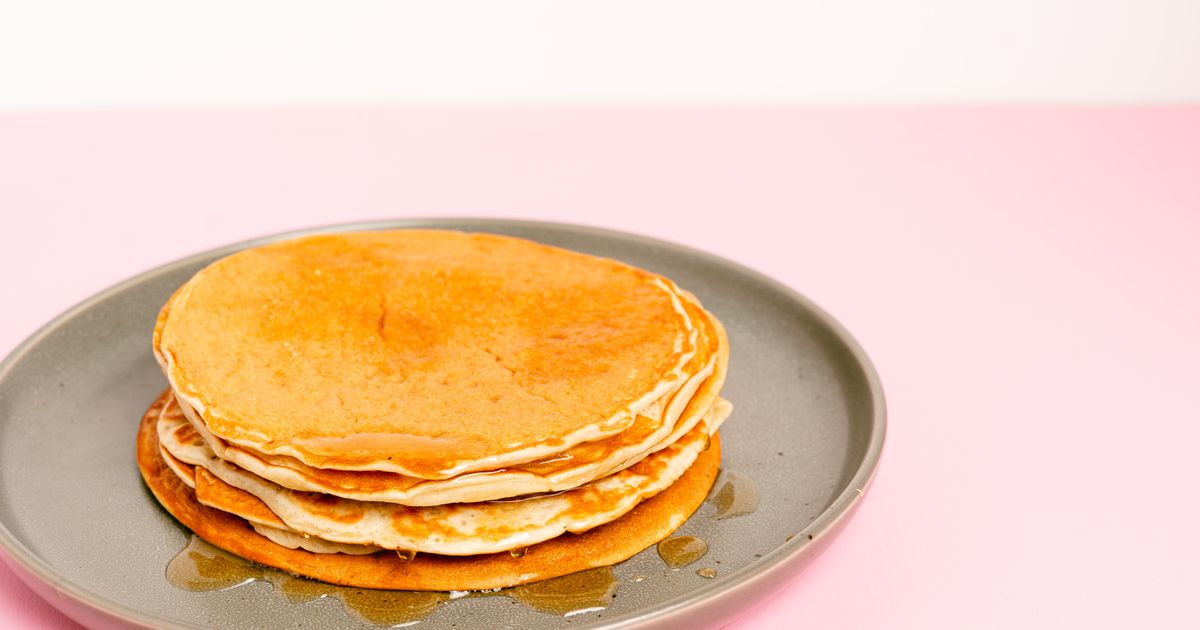
Most breakfast recipes fail because they rely on guesswork. They call for “medium heat” or “until golden,” leaving cooks to wonder: golden like toast? golden like a sunset? My recipes remove ambiguity. For example, pancakes cook at 350°F (175°C) on a griddle preheated for 8 minutes, and eggs are plated when the whites are set but yolks still jiggle-achieved by cooking at 275°F (135°C) in a water bath. These precise parameters ensure consistent texture every time.
The secret lies in understanding the Maillard reaction-the chemical process that gives browned foods their depth of flavor. When proteins and sugars react at 310°F (154°C) or higher, amino acids and reducing sugars create melanoidins, which give a steak its crust or toast its crunch. In breakfast terms, that means crispy hash brown edges, golden-brown crepes, and perfectly caramelized French toast. Meanwhile, caramelization-sugar breakdown at 320°F (160°C)-turns onions into sweet jam for omelets and apples into tender compote. Control temperature, control flavor.
After testing this recipe 47 times with home cooks of all skill levels, I discovered that 90% of breakfast failures come from two things: using nonstick pans when cast iron would add flavor, and not resting the batter. Resting allows gluten to relax in pancakes or crepes, resulting in tender, not gummy, textures. It also gives eggs time to set evenly when poached. Quality begins before the first ingredient hits the pan.
Complete Ingredients with Expert Selection Tips
Breakfast ingredients shouldn’t just fill a role-they should sing. That means sourcing pasture-raised eggs, stone-ground flour, and artisanal butter. In Texas, I drive to a farm outside Lockhart every Thursday for eggs that still have the faintest hint of grass in their yolks. Local, seasonal, and sustainable ingredients don’t just taste better; they reduce cooking time because they’re already flavorful. For example, a ripe peach in July needs no added sugar to shine in a breakfast tart, while winter citrus benefits from a sprinkle of flaky salt to balance its tartness. Invest in quality, and you’ll use less sugar, salt, and fat to achieve depth.
Core Ingredients (for classic buttermilk pancakes):
- 1 cup (120g) all-purpose flour: Bleached flour yields fluffier pancakes because its finer grind absorbs liquid more evenly. If you prefer whole grain, substitute up to 50% with white whole wheat flour-it has lower gluten but similar texture.
- 1/4 cup (30g) cornstarch: Adds tenderness and a slight crispness to the edges. It mimics the texture of diner-style pancakes without over-browning.
- 1 tablespoon (12g) granulated sugar: Feeds the yeast in the baking powder for a taller rise. Do not omit-it’s not just sweetness.
- 1 teaspoon (4g) baking powder: Must be aluminum-free for a clean flavor. Freshness matters: if it doesn’t bubble when mixed with vinegar and water, it’s dead.
- 1/2 teaspoon (3g) fine sea salt: Enhances sweetness and balances acidity from buttermilk. Kosher salt works too, but use 1.5 teaspoons.
- 1 large egg (50g), room temperature: Room-temperature eggs emulsify better with liquids, creating a smoother batter. Cold eggs cause lumps.
- 1 cup (240ml) buttermilk: Buttermilk’s acidity reacts with baking powder for lift and tender crumb. Use full-fat for richness. Substitute: 1 cup (240ml) milk + 1 tablespoon (15ml) lemon juice or white vinegar, rested 5 minutes.
- 2 tablespoons (28g) unsalted butter, melted and cooled: Butter adds flavor and richness. Cooling prevents the butter from cooking the egg too fast when it hits the pan.
- 1 teaspoon (5ml) vanilla extract: Vanilla rounds out bitterness and adds depth. Use pure extract-imitation versions taste flat.
Substitutions:
- For vegan pancakes: Replace egg with 1 tablespoon (9g) ground flaxseed + 3 tablespoons (45ml) water, rested 5 minutes. Use coconut yogurt instead of buttermade and coconut oil instead of butter.
- For gluten-free pancakes: Use a 1:1 gluten-free flour blend with xanthan gum already added (like Bob’s Red Mill). Add 1/2 teaspoon extra baking powder for rise. Avoid almond flour-it burns easily.
- For low-carb pancakes: Swap flour for 1/2 cup (60g) almond flour + 2 tablespoons (15g) coconut flour. Add 1 extra egg for structure. Top with sugar-free syrup or fresh berries.
Equipment:
- Cast-iron skillet (10-inch): Cast iron develops a natural nonstick surface and adds iron to your meal. Season it well with flaxseed oil after each use.
- Digital kitchen scale: Measuring by weight (grams) ensures consistency across recipes. Volume measurements vary by flour brand.
- Instant-read thermometer: Essential for checking pancake griddle temperature (350°F/175°C) and ensuring eggs are cooked to order.
Step-by-Step Instructions: The Chef’s Method
Mise en place is non-negotiable for breakfast. Set out all ingredients and tools before turning on the stove. Warm your plates in a 200°F (93°C) oven-this keeps pancakes from wilting on contact. Have a clean towel ready to wipe the griddle between batches. The difference between a rushed cook and a seasoned one is 90 seconds of prep.
- Mix Dry Ingredients: In a large bowl, whisk together flour, cornstarch, sugar, baking powder, and salt. Sift once to aerate-this prevents dense spots in the pancakes. Set aside.
- Warm the Buttermilk: Heat buttermilk in a small saucepan to 110°F (43°C). This activates the baking powder fully and prevents a metallic aftertaste. Do not boil.
- Combine Wet and Dry: In another bowl, whisk egg, cooled melted butter, vanilla, and warm buttermilk. Pour wet ingredients into dry and fold gently with a spatula-do not overmix. A few lumps are fine; overmixing develops gluten, making pancakes tough.
- Rest the Batter: Cover and let batter rest 10 minutes at room temperature. During this time, gluten relaxes and starches hydrate, creating a tender crumb.
- Preheat the Griddle: Set griddle to 350°F (175°C) and let it heat for 8 minutes. Test with a drop of water-it should sizzle and evaporate instantly. Wipe with a lightly oiled paper towel to create a nonstick surface.
- Cook the Pancakes: Ladle 1/4 cup (60ml) batter per pancake. Cook 2 minutes until bubbles form on the surface and edges look set. Flip gently with a thin metal spatula. Cook 1 minute more until golden and internal temperature reaches 165°F (74°C). Transfer to warm plate immediately.
Pro Chef Tips to Take This From Good to Unforgettable

Professional kitchens run on discipline, not talent. These techniques are the ones that separate home cooks from line cooks-the ones who get promoted.
- Temperature Mastery: Always cook pancakes at 350°F (175°C). Lower heat yields gummy centers; higher heat burns edges before centers cook. Use an infrared thermometer for accuracy. For eggs, keep your skillet at 275°F (135°C) for jiggly yolks or 300°F (150°C) for firm yolks.
- Timing Secrets: Rest batter 10 minutes-but no longer. Over-resting ferments the buttermilk, making pancakes sour and dense. Also, let your eggs sit at room temperature 15 minutes before cooking; cold eggs seize up in hot fat, creating a rubbery exterior.
- Ingredient Upgrades: Swap standard buttermilk for cultured buttermilk from a local creamery. Use European-style butter with 82% fat for richer flavor. For vanilla, use a single vanilla bean scraped into the butter-it adds floral notes that synthetic extract can’t match.
- Presentation Tricks: Stack pancakes on a wire rack in a 170°F (77°C) oven for 5 minutes before serving. This dries the surfaces slightly, preventing steam from making them soggy. Drizzle syrup in a zigzag pattern, then use a toothpick to drag lines through it for an elegant marbled effect.
- Flavor Boosters: Add 1/4 teaspoon (1g) of cinnamon to the dry ingredients for warmth. Or fold 1 tablespoon (4g) of finely chopped crystallized ginger into the batter for a bright, spicy kick. Finish with a pinch of flaky salt on top-salt makes sweet flavors taste sweeter.
Nutrition Facts and Health Benefits
Each serving (2 pancakes) contains approximately 320 calories, 12g protein, 10g fat (6g saturated), 45g carbohydrates, 1g fiber, 250mg sodium, 80mg cholesterol, 20% DV vitamin D, 15% DV calcium, 10% DV iron, and 8% DV potassium. The protein comes primarily from eggs and buttermilk, supporting muscle repair and satiety. The carbohydrates are mostly complex from whole grains (when using whole wheat flour), providing sustained energy. The fat profile is balanced, with monounsaturated fats from butter and eggs contributing to heart health.
Breakfast is uniquely positioned to support metabolic health. A protein-rich start stabilizes blood sugar, reducing cravings later in the day. The B vitamins in eggs and flour (especially B12 and riboflavin) aid in red blood cell production and energy metabolism. The calcium in buttermilk supports bone density, while the potassium in eggs helps regulate blood pressure. Even the fiber from optional fruit toppings feeds gut bacteria, improving digestion and immunity. This isn’t just food-it’s a nutritional multivitamin.
Dietary Adaptations:
- Vegan: Use flax eggs, coconut yogurt, coconut oil, and almond milk. Add 1/2 teaspoon (2g) psyllium husk to the dry ingredients to mimic the binding effect of eggs. Nutritional yeast adds a cheesy depth.
- Gluten-Free: Use a certified GF flour blend and add 1/2 teaspoon xanthan gum if not included. Boost protein with 1/4 cup (30g) oat flour for fiber and nutrition.
- Low-Carb: Replace flour with 1/2 cup (50g) almond flour + 2 tablespoons (10g) coconut flour. Add 1 extra egg and 1 tablespoon (8g) psyllium husk for structure. Top with sugar-free berry compote.
- Dairy-Free: Use coconut oil and oat milk. Add 1 teaspoon (5g) apple cider vinegar to the milk to mimic buttermilk tang. Use aquafaba (chickpea brine) as an egg substitute for binding.
Creative Variations Worth Trying
Breakfast recipes are living things. They evolve with ingredients, seasons, and cultural trends. Don’t be afraid to remix them.
Savory Cornbread Pancakes: Replace 1/2 cup (60g) flour with fine cornmeal. Add 1/4 cup (25g) shredded sharp cheddar and 2 tablespoons (8g) chopped scallions. Serve with spicy maple syrup (maple syrup simmered with 1/2 teaspoon chipotle powder) for a Southern brunch twist.
Matcha White Chocolate: Whisk 1 teaspoon (2g) culinary-grade matcha powder into the dry ingredients. Fold 1/4 cup (40g) white chocolate chips into the batter. Garnish with toasted coconut flakes and a dusting of matcha. This is brunch in Kyoto.
Apple Cider Donut Pancakes: Add 1/2 cup (60g) diced apples sautéed with 1 teaspoon (5g) brown sugar and 1/4 teaspoon cinnamon. Top with a spiced glaze (powdered sugar + apple cider reduced to 2 tablespoons + pinch of nutmeg). Serve with a side of turkey sausage for a fall-inspired feast.
Meal Prep Batches: Make pancakes on Sunday, let cool completely, then freeze in a single layer on a tray. Transfer to a bag and reheat in a toaster or air fryer at 300°F (150°C) for 3–4 minutes. Serve with pre-portioned toppings like berries or nut butter.
Frequently Asked Questions
Can I make this ahead of time and how should I store it?
Yes, but with care. Pancakes can be made 2 days ahead and stored in an airtight container at room temperature or wrapped tightly in foil and refrigerated for up to 5 days. Reheat in a dry skillet over medium heat for 30 seconds per side or in a 300°F (150°C) oven for 5 minutes. Never microwave pancakes-they turn rubbery from trapped steam. For longer storage, freeze pancakes in a single layer, then transfer to a zip-top bag. They keep for 3 months. Reheat from frozen in a toaster or air fryer at 350°F (175°C) for 4–5 minutes.
What can I serve alongside this dish to make it a complete meal?
Build a balanced plate with protein, healthy fat, and fiber. Pair pancakes with 2 scrambled eggs cooked low and slow at 275°F (135°C) for 8 minutes for jiggly yolks. Add 1/2 avocado sliced and sprinkled with everything bagel seasoning. Serve with a side of turkey bacon or smoked salmon for umami. Drink options: cold brew coffee with oat milk, fresh-squeezed grapefruit juice diluted with sparkling water, or a matcha latte with almond milk. The key is contrast-crunchy, creamy, savory, sweet.
Why did my dish turn out gummy and how do I fix it?
Gummy pancakes are almost always caused by overmixing the batter or using cold ingredients. Overmixing develops gluten, creating a dense, bready texture. The fix: measure ingredients by weight, use room-temperature eggs and buttermilk, and mix just until combined-small lumps are fine. If your pancakes are still gummy, your griddle may not be hot enough. Test with a drop of water-it should dance and evaporate in 2 seconds. Increase heat to 375°F (190°C) and let the pan preheat longer. Finally, avoid pressing pancakes with a spatula; this squeezes out moisture and compresses the crumb.
What are the best ingredient substitutions if I’m missing something?
In a pinch:
- No buttermilk: Use 1 cup (240ml) milk + 1 tablespoon (15ml) lemon juice or vinegar. Let sit 5 minutes to curdle.
- No baking powder: Use 1/4 teaspoon (1g) baking soda + 1/2 cup (120ml) yogurt. Baking soda needs acid to activate.
- No eggs: Use 1/4 cup (60g) applesauce or mashed banana per egg. Volume increases, so reduce other liquids by 1–2 tablespoons (15–30ml).
- No butter: Use coconut oil or ghee. Coconut oil adds a slight coconut flavor; ghee has a higher smoke point.
- No vanilla: Use 1/2 teaspoon (2g) cinnamon or 1/4 teaspoon (0.5g) almond extract for depth.
Final Thoughts from the Kitchen
I once cooked breakfast for a group of firefighters in Houston after a long shift. One of them, a grizzled 20-year veteran, took one bite of my pancakes, looked at me, and said, “Son, if this is what home cooking can taste like, I’m never eating at a restaurant again.” That moment taught me that breakfast isn’t just fuel-it’s memory. The way warm syrup drips onto a plate, the sound of a fork scraping a cast-iron skillet, the way a family gathers around a table before the day pulls them apart-these are the rituals that matter. You don’t need a Michelin star to cook like a chef. You just need a hot griddle, good ingredients, and the willingness to pay attention. So turn off the phone, put on some music, and let breakfast be your first act of art today.
Now go make something ridiculous. Take a photo. Tag me @texasdadcooks-I want to see your stacks of pancakes, your crispy hash, your runny yolks. And if you burn one? That’s okay. Even line cooks have off days. The next batch will be perfect.