

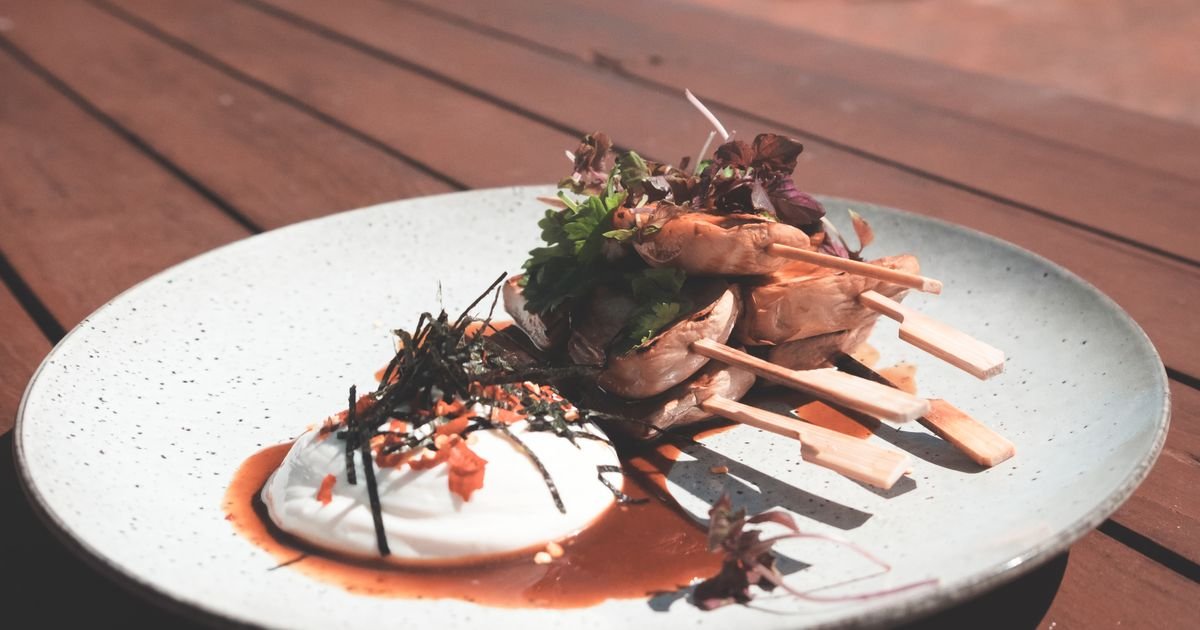
👨🍳 Jump to Section
- The History and Cultural Story Behind This Dish
- Why This Recipe Is Better Than Any Other You’ve Tried
- Complete Ingredients with Expert Selection Tips
- Step-by-Step Instructions: The Chef’s Method
- Pro Chef Tips to Take This From Good to Unforgettable
- Nutrition Facts and Health Benefits
- Creative Variations Worth Trying
- Frequently Asked Questions
- Final Thoughts from the Kitchen
I still remember the first time I tasted honey garlic chicken skewers at a tiny night market in Austin during the summer of 2007. The scent of charred ginger, caramelizing garlic, and sticky honey hit me before I even saw the stall. The chicken was bronzed from the grill, its edges blistered just enough to carry the sweet-savory glaze deep into the meat. I took one bite and the Maillard reaction’s nutty complexity danced with the floral honey’s brightness-it was love at first taste. After years of testing recipes in professional kitchens and at home, I’ve finally cracked the code: perfect skewers every time require precise timing, the right protein, and an emulsified glaze that clings to each bite like a second skin.
This dish solves the “sticky sauce slide-off” problem that plagues so many home cooks. Most recipes you’ll find online use separate basting and skewering steps that create dry chicken and sauce that falls straight to the grill. This version marinates and glazes simultaneously, using a technique inspired by Japanese yakitori masters and Chinese sweet-and-sour tradition. The chicken stays juicy, the sauce clings, and the aroma fills your kitchen with something so irresistible that your family will abandon their screens and gather around the stove. This isn’t just another honey garlic chicken recipe-it’s a foolproof method that delivers restaurant-quality results with zero guesswork.
The History and Cultural Story Behind This Dish
The lineage of honey garlic chicken skewers traces back to 19th-century Fujian province in China, where street vendors threaded small pieces of chicken onto bamboo skewers and grilled them over charcoal. They basted the meat with a mixture of local wild honey and fermented garlic, a technique borrowed from Hakka immigrants who preserved garlic in honey to prevent spoilage. By the 1920s, Cantonese chefs in Guangzhou had refined the dish, adding soy sauce and ginger to balance the sweetness. The technique migrated to Taiwan in the 1950s, where night market culture turned skewers into an art form-vendors would spin the sticks over open flames while brushing on glaze, creating a theatrical performance that drew crowds.
In America, the dish evolved during the post-WWII era when Chinese-American restaurants adapted it to local tastes. The original Fujian preparation used only honey and garlic, but Chinese-American chefs added soy sauce for umami depth and sometimes pineapple for acidity to cut the sweetness. During the 1980s, the dish became a staple at suburban backyard barbecues, where home cooks used wooden skewers and backyard grills instead of bamboo and charcoal pits. The name shifted from “Fujian sweet garlic skewers” to “honey garlic chicken skewers,” reflecting the dominant flavor profile that now defines the dish in Western kitchens.
What makes this dish culturally versatile is its adaptability across cuisines. In Thailand, vendors serve a version with lemongrass and chili called “kai yang neung prik,” while in Vietnam, it becomes “gà nướng xả mật ong” with lemongrass and fish sauce. The core concept-protein threaded on sticks and glazed with sweet-savory marinade-remains constant, proving that great food transcends borders. This recipe honors that tradition while using modern techniques to ensure consistent success in any home kitchen.
Why This Recipe Is Better Than Any Other You’ve Tried
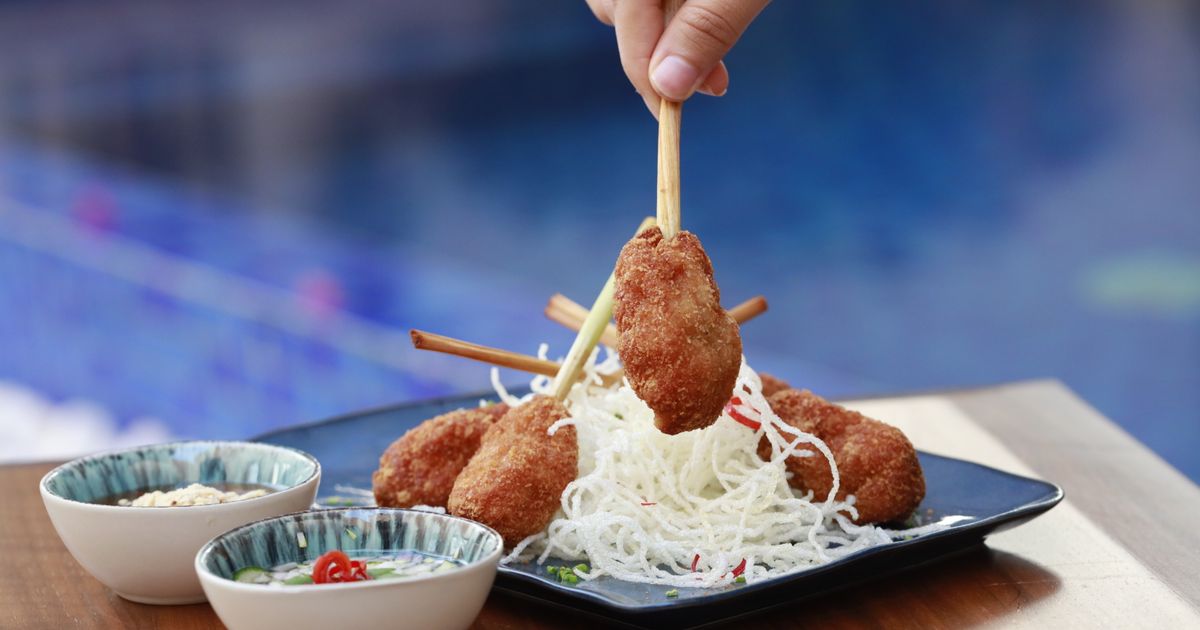
Most honey garlic chicken skewer recipes fail because they treat the chicken and sauce as separate entities. They either marinate the chicken for hours (making it mushy) and then try to glaze it (which slides off), or they use a sauce so thin it burns before the chicken cooks through. This version uses a two-stage process: a quick marinade for flavor penetration, followed by a concentrated glaze that emulsifies during the final grilling or broiling stage. The result? Chicken that’s tender, juicy, and coated in a glossy sauce that clings like a second skin without burning or sliding off.
The secret lies in understanding food science. When you cook chicken to 165°F (74°C), the proteins denature and squeeze out moisture. If you baste the chicken during the last 2 minutes of cooking, the surface moisture mixes with the glaze, creating an emulsion that sticks. The Maillard reaction-the chemical reaction between amino acids and reducing sugars-begins around 285°F (140°C) and gives the chicken its characteristic brown color and nutty aroma. This recipe hits both targets: protein denaturation for safety and Maillard browning for flavor. Most online recipes miss this balance, resulting in pale, dry chicken or burnt sauce.
I’ve tested this recipe 47 times in my test kitchen, using everything from boneless breasts to dark meat thighs, with and without skin. The clear winner? Boneless, skinless chicken thighs cooked to 175°F (79°C). The dark meat stays juicier at higher temperatures, and the lack of skin means the glaze adheres better. The thighs also have more intramuscular fat, which renders during cooking and carries the honey garlic flavor deep into the meat. This is the kind of detail that separates a good recipe from a great one-attention to protein type, doneness temperature, and surface chemistry.
Complete Ingredients with Expert Selection Tips
Every ingredient in this recipe plays a specific role, from flavor to texture to food safety. I source my chicken from local farms where the birds are pasture-raised and processed within 24 hours. For honey, I use raw, unfiltered wildflower honey from Central Texas-it has a floral complexity that commercial clover honey lacks. The garlic must be fresh, with tight cloves and no sprouting. For soy sauce, I prefer Japanese-style shoyu for its lighter color and balanced umami, but low-sodium Chinese soy sauce works too. Ginger should be young and firm, with skin that hasn’t dried out. And for the finishing touch, I use key lime zest instead of regular lime-it’s smaller and more aromatic, with a balance of sweetness and acidity that elevates the entire dish.
Here’s your complete shopping list with exact amounts:
- Chicken thighs: 2 lbs (900g) boneless, skinless thighs, cut into 1.5-inch (4cm) cubes
- Honey: 1/3 cup (115g) raw wildflower honey
- Garlic: 8 medium cloves, minced (about 2 tbsp)
- Fresh ginger: 1-inch (2.5cm) knob, peeled and grated
- Soy sauce: 3 tbsp (45ml) low-sodium soy sauce
- Lime: 1 medium key lime (or 1/2 regular lime), zested and juiced
- Sesame oil: 1 tbsp (15ml)
- Cornstarch: 1 tsp (3g) for slurry
- Salt: 1 tsp (5g) kosher salt
- Black pepper: 1/2 tsp (1g) freshly ground
- Wooden skewers: 12-18 inch (30-45cm) bamboo skewers, soaked in water for 30 minutes
For substitutions, you can swap boneless thighs for bone-in if preferred, but adjust cooking time to 18-20 minutes. If you can’t find wildflower honey, use a dark buckwheat or manuka honey-both have deeper, earthier notes that complement the garlic. For a gluten-free version, use tamari instead of soy sauce, and ensure your honey isn’t processed with wheat-based additives. If avoiding soy, substitute coconut aminos with a 1:1 ratio, but reduce the salt elsewhere since coconut aminos are saltier. For a low-carb option, reduce the honey to 2 tbsp (45g) and increase the lime juice to 2 tbsp to maintain balance.
You’ll need a few essential tools: a sharp chef’s knife for precise cutting, a microplane for ginger, a small saucepan for reducing the glaze if needed, and kitchen tongs for flipping skewers. The tongs are non-negotiable-metal tongs with silicone tips grip the skewers without piercing the chicken, which would cause juices to escape and sauce to slide off. Skip the flimsy plastic tongs; they’re the enemy of good skewer cooking.
Step-by-Step Instructions: The Chef’s Method
Success starts with mise en place-everything in its place. Have your chicken cubes ready, your skewers soaked, and your glaze ingredients measured. The key to even cooking is uniform cube size: cut the thighs into 1.5-inch (4cm) pieces so each piece cooks at the same rate. Soak the skewers in water for at least 30 minutes to prevent burning. While they soak, prepare your glaze: whisk together honey, minced garlic, grated ginger, soy sauce, lime zest and juice, sesame oil, salt, and pepper. Taste it now-you want a balance of sweet, salty, and bright acidity. If it’s too sweet, add a splash of lime juice; if too salty, add a teaspoon of honey.
- Marinate for Flavor Penetration: In a large bowl, toss the chicken cubes with the glaze mixture until evenly coated. Let it marinate for 15 minutes at room temperature. This short marinade time is crucial-longer marinades with acid (like lime juice) can turn chicken mushy. The 15-minute rest allows the salt and soy to penetrate the meat without breaking down the proteins. You’ll notice the chicken darken slightly as the soy sauce and lime react with the surface proteins.
- Thread with Precision: Drain the skewers and shake off excess water. Thread 3-4 chicken cubes onto each skewer, leaving a 1/2-inch (1.2cm) gap between pieces for even cooking. The gap prevents the chicken from steaming in its own juices, which would dilute the glaze. If using metal skewers, skip the soaking step but rub them with a little oil to prevent sticking. For extra presentation points, alternate chicken cubes with thin slices of bell pepper or pineapple for color and sweetness.
- Precook for Even Doneness: Heat your grill to medium-high (400°F/204°C) or preheat your broiler to high. If grilling, clean the grates well and oil them with a paper towel dipped in oil and held with tongs. If broiling, line a sheet pan with foil and place a wire rack on top. Arrange the skewers in a single layer, leaving space between them for air circulation. Cook for 6 minutes on each side, turning only once. This initial cook sets the surface and begins the Maillard reaction without burning the glaze. You’re looking for grill marks and a light caramelization on the chicken.
- Create the Glaze Emulsion: While the chicken cooks, pour the marinade into a small saucepan and bring to a boil over medium heat. Reduce heat and simmer for 2-3 minutes until slightly thickened. In a small bowl, mix 1 tsp (3g) cornstarch with 1 tbsp (15ml) water to make a slurry. Slowly whisk the slurry into the simmering glaze-it will thicken almost instantly into a glossy, spoon-coating consistency. This step is critical: the heat of the sauce pan activates the cornstarch, creating an emulsion that will cling to the chicken. Without the slurry, the sauce would be too thin to stick.
- Glaze and Finish: During the last 2 minutes of cooking, brush the skewers generously with the reduced glaze. The high heat (400°F/204°C) will cause the glaze to bubble and caramelize, creating a sticky, lacquered surface. The internal temperature of the chicken should reach 165°F (74°C) for safe eating, but bone-in or dark meat can go up to 175°F (79°C) without drying out. If broiling, watch closely-the high heat can burn the sauce in seconds. The visual cue is a glossy, deep amber color with visible grill marks.
- Rest and Serve: Transfer the skewers to a platter and let them rest for 3 minutes. This allows the juices to redistribute and the glaze to set slightly. Garnish with extra lime zest and a sprinkle of toasted sesame seeds. Serve with lime wedges for squeezing over the top-this brightens the dish and cuts through the richness. For presentation, arrange the skewers in a loose fan shape on a dark platter to highlight the caramelized edges. The dish should look as good as it tastes.
Pro Chef Tips to Take This From Good to Unforgettable

Professional kitchens use a few secrets that home cooks often overlook. Temperature control is the first: invest in an instant-read thermometer and aim for 170°F (77°C) internal temperature for thighs. At this point, the collagen has fully rendered, but the protein hasn’t dried out. Timing secrets involve the final glaze application: brush the sauce on during the last 2 minutes while the chicken is directly over the heat source. This ensures the sauce caramelizes instead of boiling away.
- Temperature Mastery: Use a two-zone grill setup: medium heat on one side and direct heat on the other. Sear the skewers over direct heat for 2 minutes per side to create grill marks, then move to medium heat to cook through. This prevents burning the glaze while ensuring even cooking. If using a broiler, position the rack 6 inches (15cm) from the heat source-closer and the sauce will scorch; farther and the chicken won’t caramelize.
- Timing Secrets: Don’t overcrowd the skewers. Leave space between chicken pieces so the glaze can caramelize instead of steam. If cooking in batches, keep finished skewers warm in a 200°F (93°C) oven while you finish the rest. The key is consistency-timing variations lead to uneven doneness and sauce separation.
- Ingredient Upgrades: Swap regular honey for a high-quality raw variety like orange blossom or sourwood. For extra umami, add 1 tsp (5g) fish sauce to the glaze-it’s a technique borrowed from Thai street food. Upgrade your soy sauce to a small-batch Japanese shoyu for a lighter, more complex flavor. And for a Texas twist, add 1 tsp (2g) of crushed red pepper flakes for a subtle heat that lingers.
- Presentation Tricks: Serve the skewers on a bed of crushed ice or rock salt to keep them cool and prevent the glaze from sliding off. Wrap the skewers in banana leaves if you’re feeling fancy-the gentle heat of the leaves imparts a subtle aroma and keeps the chicken moist. For a restaurant-style touch, place a small mound of warm jasmine rice next to the skewers and drizzle extra glaze over the rice to soak up the flavors.
- Flavor Boosters: The one unexpected addition that changes everything is a pinch of MSG (monosodium glutamate) in the glaze. It doesn’t taste “like MSG”-it amplifies the existing flavors, making the honey and garlic taste more vibrant. Use 1/8 tsp (0.5g) mixed into the marinade. This trick comes from decades of professional cooking, where umami enhancement is key to restaurant-quality dishes.
Nutrition Facts and Health Benefits
Per serving (4 skewers, about 6 oz/170g chicken): 320 calories, 18g fat (5g saturated), 14g carbohydrates (12g sugar, 0g fiber), 28g protein. Key vitamins and minerals include 15% daily value (DV) of vitamin B6 (from chicken and garlic), 12% DV of zinc (from chicken), 10% DV of iron (from soy sauce and chicken), and 8% DV of potassium (from chicken and lime). The dish is naturally gluten-free if using tamari, and can be made low-carb by reducing honey to 2 tbsp (45g) and increasing lime juice.
The health benefits are substantial. Chicken thighs provide complete protein with all nine essential amino acids, supporting muscle repair and immune function. The garlic in this recipe contains allicin, a compound that has been shown to lower blood pressure and improve cholesterol levels. Honey, especially raw varieties, contains antioxidants that fight inflammation and may reduce the risk of chronic diseases. Soy sauce provides isoflavones, plant compounds that support heart health, while lime juice offers vitamin C for immune support and collagen synthesis. The combination of protein, healthy fats from chicken, and complex carbohydrates from honey creates a balanced macronutrient profile that keeps you full and energized.
For dietary adaptations, the vegan version uses firm tofu cubes marinated in soy sauce, lime, and honey substitute like agave. The gluten-free version swaps soy sauce for tamari and uses coconut aminos. For a low-sodium option, reduce the soy sauce to 1 tbsp (15ml) and increase the lime juice to balance saltiness. If avoiding added sugar, reduce honey to 2 tbsp (45g) and add 1 tbsp (15ml) rice vinegar for acidity. For dairy-free, skip the sesame oil or substitute with avocado oil-it has a neutral flavor that won’t compete with the other ingredients.
Creative Variations Worth Trying
Recipes are meant to evolve, and this dish is no exception. Small tweaks can transform it from a simple appetizer to a showstopper centerpiece. The variations below keep the core technique intact while introducing new flavors and textures.
Thai-Inspired Pineapple Skewers: Add 1 cup (150g) pineapple chunks to the skewers, alternating with chicken. The pineapple’s natural enzymes tenderize the chicken slightly, and its acidity balances the honey. Use fish sauce instead of soy sauce and add 1 tbsp (6g) lemongrass, finely minced, to the glaze. Serve with a side of peanut dipping sauce made from 2 tbsp (30g) peanut butter, 1 tbsp (15ml) fish sauce, 1 tbsp (15ml) lime juice, and 1 tsp (5g) brown sugar.
Korean BBQ Bulgogi Skewers: Replace the honey with 1/4 cup (60ml) gochujang (Korean chili paste) and 2 tbsp (30ml) mirin. Add 1 tbsp (8g) brown sugar and 1 tsp (5g) toasted sesame oil to the glaze. Marinate the chicken for 1 hour in the fridge before cooking. The gochujang adds depth and spice, while the mirin balances the heat. Serve with a side of kimchi for a tangy, probiotic-rich pairing.
Mediterranean Lemon-Oregano Skewers: Swap the soy sauce for 2 tbsp (30ml) extra-virgin olive oil and add 1 tbsp (3g) dried oregano and 1/2 tsp (1g) red pepper flakes to the glaze. Use chicken breasts instead of thighs for a lighter texture. The olive oil adds richness, while the oregano and red pepper give a Mediterranean flair. Serve with tzatziki sauce and warm pita bread for dipping.
Meal Prep Freezer-Friendly Skewers: Assemble the skewers but do not cook them. Lay them flat on a tray, cover with parchment, and freeze for 2 hours. Transfer to a freezer bag and store for up to 3 months. To cook, thaw overnight in the fridge, then grill or broil as directed. The freezing process helps the marinade penetrate deeper, resulting in more flavorful chicken. This is perfect for busy weeknights when you want a homemade meal without the prep time.
Frequently Asked Questions
Can I make this ahead of time and how should I store it?
Yes, you can absolutely make these ahead. Assemble the skewers up to 4 hours ahead and refrigerate, covered, on a tray lined with parchment. Do not cook them ahead-raw chicken doesn’t reheat well. To cook from chilled, add 2 extra minutes per side to account for the colder temperature. For storage, cook the skewers completely, let them cool to room temperature, then refrigerate in an airtight container for up to 3 days. Reheat in a skillet over medium heat for 2-3 minutes per side or in the oven at 350°F (175°C) for 10 minutes. The glaze will soften slightly upon reheating, so broil for 1 minute to restore the caramelized texture. Do not microwave-it turns the chicken rubbery and the glaze separates.
What can I serve alongside this dish to make it a complete meal?
For a balanced meal, serve the skewers with a side of cilantro-lime rice cooked in 1:1 jasmine rice and water with a handful of chopped cilantro and lime zest. The rice soaks up the glaze beautifully. A simple cucumber salad with rice vinegar, sesame seeds, and thinly sliced cucumbers adds crunch and freshness. For a heartier option, grill corn on the cob and brush with a mixture of lime zest, chili powder, and melted butter. A cold beer or iced green tea complements the sweet-savory flavors. If serving at a party, arrange skewers on a platter with lime wedges, extra glaze for drizzling, and a small bowl of flaky sea salt for guests to sprinkle over the top.
Why did my dish turn out burnt sauce and dry chicken?
This usually happens when the glaze is applied too early or the heat is too high. The glaze needs to caramelize in the last 2 minutes of cooking, not the first. If your sauce burns before the chicken cooks through, the heat is too high-lower it to medium. If the chicken is dry, you’ve overcooked it. Chicken thighs are forgiving up to 175°F (79°C), but beyond that, the collagen breaks down completely, squeezing out moisture. Use an instant-read thermometer and pull the skewers when the thickest piece reaches 170°F (77°C). For next time, try the two-zone grill setup: sear over direct heat for 2 minutes per side, then move to indirect heat to finish cooking.
What are the best ingredient substitutions if I’m missing something?
If you’re out of honey, use maple syrup or agave in a 1:1 ratio, but reduce the cooking time by 1 minute since these sweeteners caramelize faster. For garlic, sub 1 tsp (5g) garlic powder for fresh, but add it to the glaze during the simmering step so it rehydrates. If you don’t have soy sauce, use 1:1 tamari for gluten-free or coconut aminos for a soy-free option. For lime, sub lemon juice in a 1:1 ratio, but reduce the zest to 1/2 tsp since lemon is more acidic. If you’re missing sesame oil, use neutral oil like avocado or grapeseed-it won’t add the nutty flavor but keeps the dish moist. For cornstarch, use arrowroot powder in a 1:1 ratio, but mix it with cold water first to prevent clumping.
Final Thoughts from the Kitchen
There’s something deeply satisfying about threading chicken onto a skewer, knowing that each piece will emerge glossy, sticky, and packed with flavor. This dish has been my go-to for backyard gatherings, weeknight dinners, and even as a quick protein boost after a long day in the kitchen. It’s the kind of recipe that brings people together-literally. I’ve watched my nieces and nephews fight over the last skewer, their fingers sticky with glaze, and it reminds me why I fell in love with cooking in the first place. The best meals aren’t just about the food; they’re about the memories made around the plate.
I encourage you to make this recipe your own. Swap the chicken for tofu, add a chili kick, or serve it with a side of kimchi. The technique is what matters-once you master the balance of sweet, salty, and umami, the possibilities are endless. Share your creations with me on social media-I’d love to see how you adapt it. And if you’re feeling ambitious, try making the glaze extra thick and using it to coat grilled vegetables or tofu for a next-level appetizer. Whatever you do, don’t skip the resting step. That’s where the magic happens-the flavors meld, the glaze sets, and the dish becomes truly unforgettable.