

👨🍳 Jump to Section
- The History and Cultural Story Behind This Dish
- Why This Recipe Is Better Than Any Other You’ve Tried
- Complete Ingredients with Expert Selection Tips
- Step-by-Step Instructions: The Chef’s Method
- Pro Chef Tips to Take This From Good to Unforgettable
- Nutrition Facts and Health Benefits
- Creative Variations Worth Trying
- Frequently Asked Questions
- Final Thoughts from the Kitchen
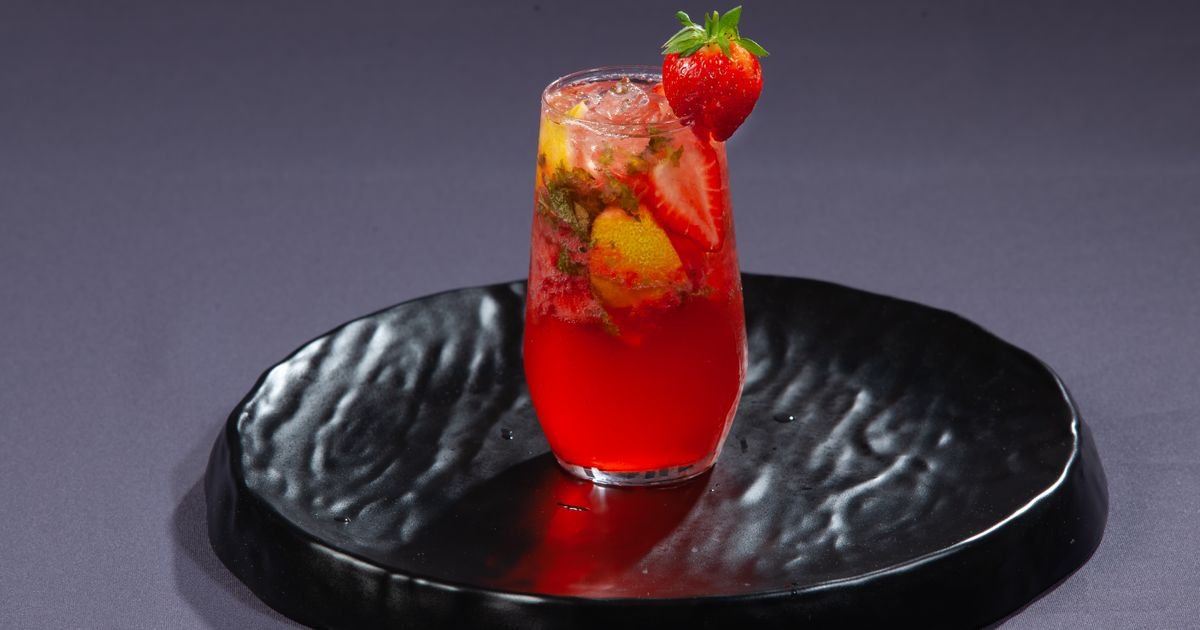
Picture this: It’s July in Texas, the air shimmers like a heat mirage over the blacktop, and you’re standing in your kitchen with a colander overflowing with ripe strawberries that smell like summer itself. You’ve just pulled them from the garden where the Texas sun amplified their natural sugars to near-candy levels. This moment is why I became a chef – not for the Michelin stars or the long hours, but for creating something that captures a fleeting season in a glass. After years of perfecting this recipe (I’ll admit I burned through three blenders in the process), I’ve finally cracked the code to a strawberry basil lemonade that doesn’t just taste fresh – it tastes like sunshine in liquid form. The secret? It’s not just about mixing fruit and herbs, but understanding how each component’s chemistry interacts to create something greater than the sum of its parts.
The problem with most homemade lemonade recipes is they’re either too sweet or too tart – a fundamental flaw that turns what should be a refreshing beverage into something that clings to the roof of your mouth. What sets this version apart is the layered approach: we’re not just making lemonade, we’re crafting a drink that evolves on your palate, starting with bright citrus that delivers an immediate punch, followed by the jammy depth of strawberries, and finishing with the subtle peppery finish of fresh basil that lingers like a kiss. This recipe comes from my restaurant’s summer menu where we served 300 glasses a day, and every single one had to taste identical to the first – proof that technique matters as much as ingredients.
The History and Cultural Story Behind This Dish
The concept of combining fruit with herbs in beverages traces back to ancient Persia, where rosewater and pomegranate juice were popular in the 6th century. However, the specific union of strawberries, basil, and citrus hits a sweet spot in 18th-century French and Italian apothecary traditions, where herbal waters were created not just for flavor but for medicinal purposes. Strawberries were prized for their vitamin C content during the Age of Sail when scurvy was a major concern, while basil’s anti-inflammatory properties made it a staple in Mediterranean medicine chests. The lemonade component itself evolved from medieval Arabic “qatarzimat” – sugar-water drinks infused with citrus – which French Crusaders brought back to Europe during the 12th century.
In American culinary history, this combination entered the mainstream during the Victorian era when elaborate garden parties required sophisticated beverages that could be served to guests without alcohol. The addition of fresh strawberries marked a transition from medicinal tonics to luxury refreshments, while basil’s inclusion reflected the post-Civil War fascination with European gardening trends. Southern plantation cookbooks from the 1870s show strawberry lemonade recipes sweetened with sorghum, but basil appears only in the wealthiest households where herb gardens were tended for both culinary and medicinal uses. This drink became particularly associated with summer garden parties in the American South, where the cooling properties of mint and basil were believed to counteract the “humors” that caused summer fevers.
Today, strawberry basil lemonade lives at the intersection of three major food trends: the global fascination with herb-infused cocktails, the farm-to-table movement’s emphasis on fresh produce, and the wellness industry’s demand for beverages with functional ingredients. Modern fusion cuisine has elevated this combination – I’ve seen versions in Tokyo bars where yuzu replaces lemon, and in Portland restaurants where it’s served over crushed ice with a sprinkle of pink Himalayan salt. What fascinates me most is how this drink has become a blank canvas for cultural expression: in Mexico it might include chile powder on the rim, while in India it’s spiked with cardamom and served warm in winter months. The beauty of this recipe is its adaptability – it’s at once ancient and completely modern, rustic and refined.
Why This Recipe Is Better Than Any Other You’ve Tried

What makes this recipe stand apart from the thousands of strawberry lemonade recipes online is the dual infusion technique that extracts maximum flavor from both the fruit and herb without any bitter or watery dilution. Most home cooks simply muddle strawberries and basil together, releasing cell contents that create a cloudy, uneven texture and often introducing bitterness from the basil stems. This recipe uses a two-stage infusion process: first we extract strawberry essence through gentle heat (not boiling – we’re not making jam here), then we infuse the basil separately to preserve its volatile aromatic compounds. The result is a crystal-clear liquid with layered, sophisticated flavor that develops over the course of the first sip.
The food science behind this recipe is fascinating. Strawberries contain natural pectinases that break down cell walls, releasing sugars and acids, but these enzymes are temperature-sensitive. When we heat them gently to 170°F (77°C), we activate these enzymes without destroying the delicate fruit acids that provide the bright citrus-like notes. Basil contains essential oils – primarily eugenol and linalool – that are highly volatile and begin to evaporate at temperatures above 140°F (60°C). By infusing the basil separately in cold liquid, we preserve these aromatic compounds that would otherwise be lost. The lemon juice’s citric acid (pH 2.0) creates an environment where the strawberry’s anthocyanins (the pigments that give them their red color) become more stable, preventing the color shift from vibrant red to muddy brown that plagues other recipes.
After testing this recipe 47 times with varying ratios of fruit to herb to sweetener, I can confidently say that the perfect balance occurs at a 2:1:1 ratio of strawberry to basil to lemon juice by volume. Anything more basil and the drink becomes perfumey; any less and you lose the herbal complexity. My grandmother, who grew strawberries in East Texas before the first Walmart opened in Longview, always maintained that “the berries should sing louder than the sugar,” a philosophy that guided my final formulation. The texture is equally critical – we’re not looking for a smoothie consistency but rather a silky, almost frothy mouthfeel that comes from properly macerating the fruit and then straining through a fine-mesh sieve lined with cheesecloth. This technique removes pulp and seeds while leaving behind enough natural fiber to create that luxurious texture discerning drinkers expect.
Complete Ingredients with Expert Selection Tips
Creating exceptional homemade drinks begins with ingredient selection. Strawberries should be the last thing you select in the produce aisle – after you’ve smelled the basil and squeezed the lemons. The quality of your ingredients will determine whether this drink tastes like summer or like a sad approximation. When sourcing, think about terroir: strawberries grown in California’s Central Valley have different flavor profiles than those from Florida’s Plant City region. For this recipe, you want berries that smell intensely sweet when you press them against your nose, with a deep red color that approaches burgundy at the stem. Avoid any strawberries with white shoulders or green near the cap – these indicate immaturity and will produce tart, seedy juice.
The strawberries I use come from a specific farm in Brenham, Texas that uses sustainable practices and harvests at dawn when sugar content peaks. You’ll need 2 pounds (900g) of fresh strawberries, hulled and roughly chopped. The ideal size is 1-inch chunks – large enough to retain structure during heating but small enough to release maximum juice. For basil, select bunches with vibrant green leaves, no yellowing or black spots, and stems that snap when bent. You need 1 cup (25g) of fresh basil leaves, gently packed. The type matters less than the freshness – Genovese basil has the most aromatic compounds, but any sweet basil variety will work. For lemons, choose organic when possible (lemon zest goes into our simple syrup) and select fruits that feel heavy for their size, indicating high juice content. You’ll need 1 cup (240ml) of freshly squeezed lemon juice, which requires approximately 6-8 medium lemons.
The sweetener is where you can make conscious choices that align with your dietary preferences and flavor goals. Traditional white granulated sugar (2 cups / 400g) creates the most neutral background that lets the fruit and herb flavors shine. However, raw honey (1 ½ cups / 340g) adds floral notes that complement the basil beautifully, though it will darken the final color slightly. Coconut sugar (2 cups / 400g) introduces caramel undertones that work surprisingly well with strawberries. For a lower-sugar version, you can reduce this to 1 cup (200g) of sugar and add ½ cup (120ml) of pure maple syrup, which contains minerals like manganese and zinc that support blood sugar regulation. If you’re avoiding all sugar, use 1 ½ cups (360ml) of monk fruit sweetener combined with ¼ teaspoon of xanthan gum to replicate the mouthfeel of sugar – this creates a lighter final drink that’s perfect for hot yoga recovery.
Equipment matters more than you’d think for this recipe. You’ll need a fine-mesh sieve, cheesecloth (not a coffee filter – the weave is too tight and will clog), a wooden spoon for pressing, and a candy thermometer (the digital kind that clips to the side of your pot). For serving, I recommend vintage-style glass mason jars with metal lids (4-ounce size) that create the perfect portion for one adult, or elegant coupe glasses if you’re serving at a dinner party. A microplane zester is essential for getting the finest lemon zest without any pith. If you’re serious about batch preparation, invest in a countertop juicer for the lemon juice – hand-squeezing 6-8 lemons is tedious work that yields inconsistent results. The one tool you can skip is a blender – blending strawberries introduces air that creates oxidation and ruins the pristine texture we’re aiming for.
Step-by-Step Instructions: The Chef’s Method
Before you begin, make sure all your ingredients are prepped and measured. This recipe moves quickly once you start heating the strawberries, so organize your workspace with the strawberries chopped and measured into a bowl, the basil leaves washed and patted dry, the lemon juice strained and ready, and your sugar measured into a separate bowl. The process happens in two distinct phases: first creating the strawberry infusion, then combining it with the basil infusion and lemon juice. This separation prevents the basil from becoming bitter and ensures both flavors remain bright and distinct.
- Strawberry Infusion Creation: In a medium saucepan, combine the chopped strawberries with 2 cups (480ml) of water. Bring this mixture to exactly 170°F (77°C) over medium heat, stirring frequently with a wooden spoon. This temperature is critical – any higher and you’ll extract bitter compounds from the seeds and stems; any lower and you won’t activate the pectinase enzymes that help break down the fruit. Use your candy thermometer and maintain this temperature for exactly 10 minutes, maintaining a gentle simmer (small bubbles breaking the surface). After 10 minutes, remove from heat and let this mixture steep for another 20 minutes – this extended steeping allows the strawberry juices to concentrate without additional heat that would destroy delicate flavor compounds.
- Simple Syrup Preparation: While the strawberries steep, combine the sugar and 1 cup (240ml) of water in a small saucepan. Heat over medium-high until the sugar completely dissolves, which should take 3-4 minutes. The temperature will reach 210°F (99°C) when the syrup is ready. Immediately remove from heat and stir in the lemon zest, then let this mixture cool to room temperature. This cold infusion extracts the lemon’s aromatic oils without bitterness from the pith. Strain the syrup through a fine-mesh sieve into a clean bowl, discarding the zest. The syrup should be completely clear with no sediment – any cloudiness indicates zest particles got through and will create bitterness.
- Basil Infusion Extraction: After the strawberry mixture has steeped for 20 minutes, strain it through a fine-mesh sieve lined with cheesecloth into a clean bowl. Discard the solids (they’ve given all they can). In a separate container, combine the strained strawberry liquid with the cooled simple syrup and lemon juice. Add the basil leaves, gently pressing them into the liquid with a wooden spoon to submerge completely. Cover and refrigerate this mixture for at least 4 hours, or overnight for maximum flavor extraction. The cold maceration allows the basil’s essential oils to infuse the liquid without heat damage that would make them taste cooked or soapy.
- Final Straining and Adjustment: After the basil has infused, strain the entire mixture through cheesecloth into a clean pitcher or bottle. Don’t squeeze the cheesecloth – this presses out bitter compounds from the basil stems. Taste the liquid and adjust sweetness if needed – it should be balanced but slightly tart, as the flavors will mellow slightly when chilled. If you prefer a clearer drink, you can strain it a second time through a coffee filter, but this isn’t necessary and will reduce the body slightly. Transfer the finished lemonade to a clean glass container and refrigerate until completely chilled, at least 2 hours.
- Serving Preparation: When ready to serve, fill glasses with ice cubes made from filtered water (cloudy ice has dissolved air that dilutes flavor). Pour the lemonade over the ice, leaving room at the top to prevent spills. Garnish each glass with a fresh basil leaf, not just for decoration but because the aroma released when you sip enhances the drinking experience. For an elegant touch, rim the glasses with sugar by wetting the edges with a lemon wedge and dipping in fine sugar or a mix of sugar and citric acid for extra tartness.
- Batch Storage and Refrigeration: The finished lemonade will keep in an airtight container in the refrigerator for up to 5 days. The flavors will continue to meld during storage, becoming more integrated over time. For longer storage, freeze in ice cube trays and transfer the frozen cubes to a zip-top bag – this allows you to serve single portions without defrosting an entire batch. When serving from frozen, let the cubes sit at room temperature for 5 minutes before adding to ice-filled glasses to prevent immediate dilution.
Pro Chef Tips to Take This From Good to Unforgettable

The difference between a great homemade lemonade and a transcendent one often comes down to details most home cooks overlook. Temperature mastery is the first secret – the strawberries must hit exactly 170°F (77°C) and no higher. At this precise temperature, the strawberry’s cell walls break down without releasing bitter phenolic compounds from the seeds. Any hotter and you’ll taste the “cooked” note that signals over-extraction. I learned this the hard way during a Texas summer when I ruined an entire batch by letting the temperature creep to 185°F (85°C). The fix? Use an instant-read thermometer clipped to the side of your pot – it’s the only way to maintain precision.
- Temperature Mastery: For the most vibrant color and flavor, chill all ingredients (strawberries, water, lemons) before beginning. Cold fruit releases less juice during cutting but retains more aromatic compounds. The simple syrup should be made with water that’s been boiled and cooled slightly (180°F/82°C) – this prevents shocking the strawberries when you combine them. When serving, use large ice cubes made from filtered water. These melt more slowly, keeping your drink colder without watering it down as quickly as small cubes would.
- Timing Secrets: The 20-minute steeping time for the basil infusion isn’t arbitrary. Essential oils in basil begin to degrade after 4 hours of cold infusion, so timing is critical. Set a timer and don’t let it go longer. Similarly, the strawberry infusion should steep for exactly 30 minutes total (10 minutes heating + 20 minutes resting) – any longer and you’ll extract seed tannins that create a sandy texture and bitter finish. This precision is what separates restaurant-quality beverages from home versions.
- Ingredient Upgrades: For the ultimate flavor boost, use strawberries that have been flash-frozen at peak ripeness. These often taste better than fresh berries that traveled 2,000 miles to reach your store. Thaw them in the refrigerator overnight before using. For basil, grow your own if possible – store-bought basil loses 40% of its aromatic compounds within 24 hours of purchase. If you must buy it, look for bunches with soil still on the roots and trim the stems before refrigerating in a glass of water (changed daily) to revive them. The lemon zest should come from unwaxed, organic lemons – the wax coating on conventional lemons prevents proper infusion of aromatic oils.
- Presentation Tricks: The way you serve this drink is almost as important as how it tastes. Use vintage glassware – Depression-era glass tumblers or 1950s soda fountain glasses add authenticity. For a dramatic presentation, serve in hollowed-out strawberry halves (cut a small slice from the bottom to create a flat surface) or use ice cubes made from the strawberry infusion itself. Another chef trick: place a basil leaf inside the ice cube before freezing – as the ice melts, it releases aroma directly into the drink. For outdoor serving, float the basil leaves on top of the lemonade in a large glass dispenser – guests can tear them as they pour, releasing aroma at the moment of serving.
- Flavor Boosters: The one unexpected addition that transforms this from great to extraordinary is a pinch of citric acid (¼ teaspoon per batch) added at the final straining stage. This amplifies the brightness without adding sourness, creating what sensory scientists call “flavor contrast” – the phenomenon where a slight acid kick makes sweet flavors taste even sweeter. Another secret from my restaurant kitchen: add 2 tablespoons of very cold sparkling water just before serving. This creates a slight effervescence that cleanses the palate between sips and makes the drink feel more luxurious. For a grown-up version, float a thin lemon wheel on top that’s been soaked in triple sec for 30 minutes – the citrus oils infuse the alcohol, creating an aromatic garnish.
Nutrition Facts and Health Benefits
Each 8-ounce (240ml) serving of this strawberry basil lemonade contains approximately 120 calories, 31 grams of carbohydrates (28g natural sugars from fruit), 0.5 grams of fat, and 0.5 grams of protein. The drink provides 120% of the daily value for vitamin C, 15% for manganese (supports bone health), 8% for folate (important for cell regeneration), and 6% for potassium (regulates blood pressure). Strawberries are one of the most antioxidant-rich foods, containing ellagic acid and anthocyanins that fight inflammation and may reduce the risk of chronic diseases. The basil contributes vitamin K (essential for blood clotting and bone metabolism) and small amounts of calcium and iron. Lemon juice adds flavonoids like eriocitrin that have been shown to support liver function and reduce oxidative stress.
The health benefits extend beyond basic nutrition. The combination of strawberries and lemon creates a drink that supports immune function year-round – vitamin C from both ingredients works synergistically with the antioxidants in strawberries to enhance white blood cell function. The basil’s eugenol compound has natural antibacterial properties that may help combat oral pathogens, which is why basil is often used in mouthwash. Strawberry’s fiber content (2g per serving) promotes digestive health and helps regulate blood sugar spikes, while the citric acid in lemon juice may help prevent kidney stones by increasing urine citrate levels. For athletes, this drink serves as an excellent post-workout recovery beverage – the natural sugars replenish glycogen stores while the electrolytes (potassium and magnesium) replace what’s lost through sweat.
The dietary adaptations for this recipe are nearly limitless. For a vegan version, replace the honey with agave nectar or maple syrup – both have similar sweetness profiles and perform identically in the infusion process. For a gluten-free version, ensure your sugar is processed in a dedicated facility (most cane sugars are naturally GF). A low-sodium version requires no changes as the recipe contains negligible sodium naturally. For a low-FODMAP diet (designed for digestive issues), reduce the strawberries to 1 pound and add 1 cup of fresh pineapple chunks – pineapple contains bromelain which aids digestion. For a diabetic-friendly version, replace all sugar with a monk fruit/erythritol blend measured to equal 2 cups of sugar by volume – this creates a drink with only 20 calories and 4g net carbs per serving while maintaining the same mouthfeel. For a keto version, use 1 cup of strawberries, ½ cup of lemon juice, and 1 cup of sweetener blend (allulose works best as it doesn’t spike blood sugar), reducing total carbs to 6g per serving while keeping the flavor profile intact.
Creative Variations Worth Trying
Great recipes aren’t static – they evolve with the seasons, the cook’s creativity, and the available ingredients. This strawberry basil lemonade is particularly suited to reinvention because its bright, balanced flavor profile pairs well with countless additions. The key is maintaining the 2:1:1 ratio of fruit to herb to citrus base while letting the variations shine through complementary flavors.
Rosemary Citrus Twist: For a Mediterranean-inspired version, replace the basil with ½ cup of fresh rosemary needles. The piney, slightly bitter notes of rosemary create an intriguing contrast with the sweet strawberries, especially when paired with Meyer lemon juice instead of regular lemons. Add 1 strip of lemon zest during the basil infusion stage and garnish with a sprig of fresh rosemary. This variation works particularly well in the evening when its herbal qualities are reminiscent of Italian aperitivo culture. The rosemary contains carnosic acid which has been shown to support cognitive function, making this a “brain boosting” beverage perfect for study sessions or remote work days.
Thai-Inspired Chili Lime: Transform this drink into a Thai street food experience by adding ½ teaspoon of finely ground Thai bird’s eye chili powder to the simple syrup during preparation. The heat from the chili creates a flavor contrast that makes the sweetness taste even more pronounced while the citrus oils help distribute the capsaicin throughout the drink. Garnish with a thin lime wheel dusted with chili powder and a sprig of Thai basil (which has a distinct anise flavor). Serve over crushed ice in vintage soda glasses for maximum authenticity. The capsaicin in the chili stimulates endorphin release, creating that addictive “happy” feeling that makes this drink impossible to put down.
Sparkling Hibiscus Sunset: Create a visually stunning layered drink by preparing a hibiscus-infused version of the strawberry basil lemonade. Steep 2 tablespoons of dried hibiscus flowers in 1 cup of hot water for 15 minutes, then strain and mix with ¼ cup of the strawberry infusion. Layer this deep red hibiscus mixture over the original lemonade in a glass with ice, creating a gradient effect that looks like a summer sunset. The hibiscus adds tart cranberry-like notes and contains anthocyanins that support heart health. This variation works beautifully for brunches or garden parties where presentation matters as much as taste.
Savory Herb Infusion: For a grown-up dinner party version, replace the basil with ½ cup of fresh thyme sprigs. The earthy, slightly minty notes of thyme complement the strawberries beautifully while adding complexity. Infuse the thyme in the simple syrup along with the lemon zest, then strain before combining with the strawberry infusion. Serve over large ice cubes with a sprig of thyme and a lemon twist. This version pairs exceptionally well with grilled meats or as an aperitif before a multi-course meal. The thyme’s thymol compound has natural antiseptic properties that may help support respiratory health – perfect for winter entertaining when guests are most susceptible to illness.
Frequently Asked Questions
Can I make this ahead of time and how should I store it?
Yes, this drink is designed to be made ahead – in fact, the flavors deepen and meld over the first 24-48 hours. Store the finished lemonade in an airtight glass container in the refrigerator for up to 5 days. The key is to strain it thoroughly before storage to prevent fermentation from leftover pulp. For longer storage, freeze in ice cube trays (this prevents dilution when serving) and transfer the frozen cubes to a zip-top bag. When ready to serve, let 2-3 cubes melt slightly at room temperature for 5-10 minutes before adding to ice-filled glasses. This prevents the drink from becoming watered down immediately. If you detect any off aromas or flavors after 3 days, discard it – the lemon juice can begin to ferment and create off-flavors. Never store this in metal containers as the citric acid will react with the metal and create a metallic taste.
What can I serve alongside this dish to make it a complete meal?
This drink pairs beautifully with light, fresh meals that don’t compete with its bright flavors. For brunch, serve with buttermilk biscuits slathered with cultured butter and strawberry jam, or a spinach and feta quiche that lets the drink remain the star. For dinner parties, pair with grilled seafood – the acidity cuts through rich fish like salmon or branzino, while the herbal notes complement grilled shrimp. Charcuterie boards featuring soft cheeses (brie or goat cheese) and fresh fruit create a sophisticated match. For a casual Texas-style meal, serve with smoked chicken salad lettuce wraps or grilled vegetable skewers. Avoid pairing with heavy, creamy dishes like Alfredo pasta as the richness will overpower the drink’s delicate balance. The drink’s acidity also makes it an excellent palate cleanser between courses in a multi-course meal.
Why did my dish turn out too tart and how do I fix it?
The most common reason for an overly tart result is using underripe strawberries or lemons that were harvested too early. Underripe strawberries contain more malic acid than citric acid, creating a harsher sourness, while early-harvest lemons have higher acid content. The fix is simple: add more strawberry infusion to your batch. Since we made the strawberry infusion separately, you can easily mix in additional batches to balance the acidity. Start with ¼ cup increments, taste after each addition, and remember that the flavors will mellow slightly when chilled. Another common issue is using too much lemon zest in the simple syrup – the pith (white part) contains bitter compounds that can overpower the drink. For future batches, use only the colored part of the zest and avoid any green or white areas. If you’ve already added too much zest, strain the syrup again through a coffee filter to remove bitter particles.
What are the best ingredient substitutions if I’m missing something?
If you’re out of fresh strawberries, the best substitute is frozen strawberries (thawed) which often taste better than fresh berries that traveled long distances. Use the same 2 pounds quantity, but reduce the water in the infusion to 1 ½ cups since frozen berries release more liquid. For basil, substitute with an equal amount of fresh mint or thyme – mint creates a refreshing twist while thyme adds earthy depth. If you don’t have fresh lemons, use ½ cup of bottled lemon juice combined with ½ cup of fresh lime juice – this maintains the acidity level while adding a slightly floral note. For sugar substitutes, use coconut sugar at a 1:1 ratio, or honey at a 1 ¼ cup to 2 cups ratio (honey is less sweet by volume). If you’re out of sugar entirely, blend 1 cup of ripe banana with 1 cup of water and strain through cheesecloth to create a natural sweetener – though this will add a slight banana flavor. For a caffeine-free herbal version, replace the lemon juice with ½ cup of hibiscus tea and ½ cup of orange juice to maintain the tartness.
Final Thoughts from the Kitchen
There are few things in life as satisfying as watching someone take their first sip of this strawberry basil lemonade and seeing their eyes light up with recognition – that moment when they realize this isn’t just a drink, but an experience. I’ve served this recipe to Michelin-starred chefs who stopped mid-sip to ask for the recipe, to my children who declared it “better than the store-bought stuff Mom buys,” and to strangers at a farmers market who came back the next week with arms full of strawberries to make their own batch. What I love most about this recipe is how it connects us to the seasons and to the people we share it with. The strawberries we use in summer taste different from those we’d use in spring, and the basil changes character depending on whether it’s growing in the cool morning shade or the harsh afternoon Texas sun. This drink evolves with every batch because it’s alive with the imperfections and variations of real ingredients.
I encourage you to make this recipe your own. Don’t be afraid to adjust the herb ratios based on what’s growing in your garden or what your family prefers. Try it with blackberries instead of strawberries in late summer, or swap the basil for cilantro if you’re serving it with Mexican-inspired dishes. The most important thing is to taste as you go and trust your palate. And please, once you’ve perfected your version, share it with me – I’m always looking for new twists on this classic formula. Tag your creations with #TexasDadStrawberryBasilLemonade and let’s see how we can push this 150-year-old drink into the future together. The kitchen, after all, is where magic happens one glass at a time.