

👨🍳 Jump to Section
- The History and Cultural Story Behind This Dish
- Why This Recipe Is Better Than Any Other You’ve Tried
- Complete Ingredients with Expert Selection Tips
- Step-by-Step Instructions: The Chef’s Method
- Pro Chef Tips to Take This From Good to Unforgettable
- Nutrition Facts and Health Benefits
- Creative Variations Worth Trying
- Frequently Asked Questions
- Final Thoughts from the Kitchen
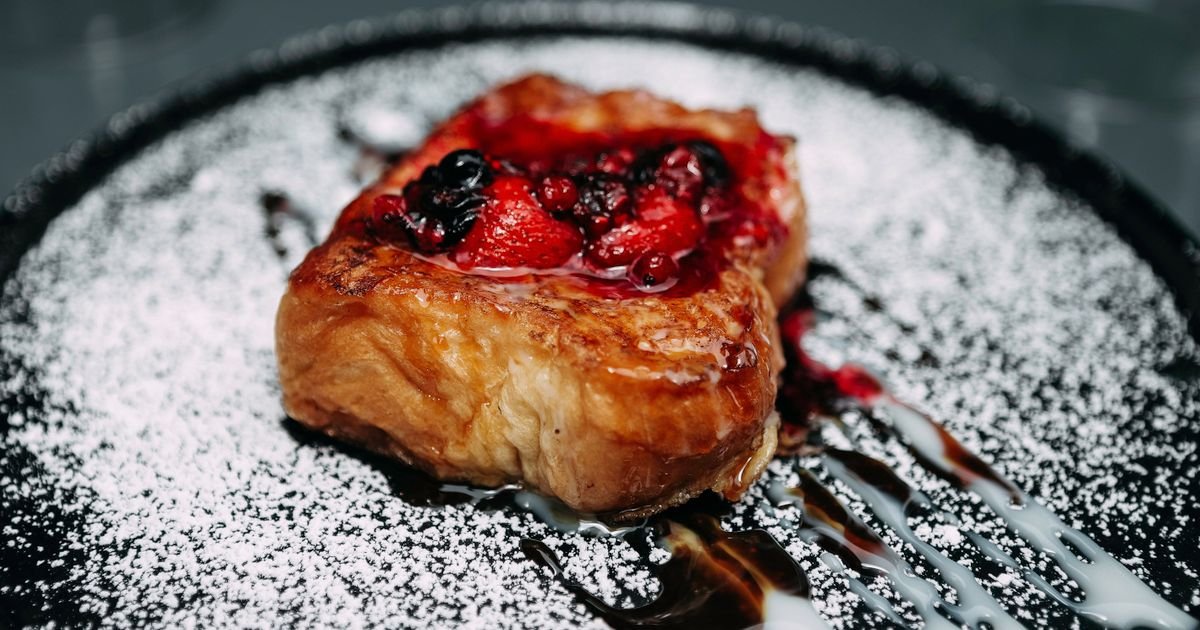
I still remember the first time I pulled a dish from the oven that tasted like a warm embrace from my grandmother’s kitchen-her hands dusted with flour, her laughter filling the air as she stirred custard in a copper bowl. It was a French toast casserole, but not the sad, soggy thing many of us know. Hers was crisp-edged where it mattered, tender where it counted, and so deeply infused with vanilla and cinnamon that it smelled like vanilla extract itself. That dish changed how I viewed breakfast. No longer did it have to be rushed, messy, or dependent on last-minute decisions. Enter: the overnight French toast casserole with berries. This isn’t just breakfast. It’s a love letter to slow mornings, to the quiet anticipation of pulling something golden from the oven while birds chirp outside. It’s the dish I make when I want to treat my family like royalty without spending hours in the kitchen. And the best part? You do the work the night before. By morning, the oven does the rest.
Most French toast recipes demand your full attention-frying bread in batches, watching for browning, juggling toppings. But life doesn’t always allow that luxury. After years of testing variations in my kitchen lab (yes, that’s a thing-my wife calls it a “flavor prison”), I realized the real breakthrough wasn’t in the cooking technique. It was in the timing. By assembling everything the night before and letting the bread bathe in a rich custard overnight, you trigger a transformation. The Maillard reaction-the same chemistry that gives steak its crust and toast its color-happens before the oven even turns on. The eggs denature slowly, the bread absorbs flavor like a sponge, and the berries soften just enough to bleed their juice into the custard, creating a sauce so good you’ll want to drink it with a straw. This isn’t just a casserole. It’s a culinary hack that turns anyone into a confident cook.
The History and Cultural Story Behind This Dish
French toast likely traces its roots to ancient Rome, where a simple dish called “panis dipulus” was made by soaking bread in milk and eggs before frying. The Romans weren’t thinking of leisurely brunches-they were feeding soldiers and laborers with affordable, calorie-dense meals. But the concept of transforming stale bread into something luxurious spread through medieval Europe, where it became a staple in monastic kitchens. Monks, ever resourceful, repurposed day-old bread to avoid waste, dipping it in spiced milk or wine and frying it crisp. By the 15th century, French cookbooks began documenting versions with sugar and spices, and the dish earned the name “pain perdu”-lost bread-because it literally rescued stale loaves from oblivion.
In America, French toast evolved into a diner classic, often served with syrup and powdered sugar. But the casserole version emerged in the mid-20th century as a way to feed large groups efficiently. The overnight twist is a more recent innovation, popularized by home cooks in the 1980s and 1990s as busy families sought convenience without sacrificing quality. Regional variations popped up: Amish communities in Pennsylvania made “apple dumpling French toast,” while Southern cooks added pecans and brown sugar. In Texas, where I grew up, we drizzle it with honey and top it with fresh peaches in summer. But the berry version? That’s pure European elegance meeting American abundance-think of it as the lovechild of a French monastery and a Pacific Northwest berry farm.
Today, this dish has transcended its humble origins. It’s served at brunch buffets from Napa Valley to Brooklyn, adapted in vegan cafes with aquafaba custard, and even gilded in Michelin-starred hotels with edible flowers. Yet, at its core, it remains unchanged: a celebration of transformation. Stale bread becomes treasure. Time becomes flavor. And a rushed morning becomes a moment worth savoring.
Why This Recipe Is Better Than Any Other You’ve Tried
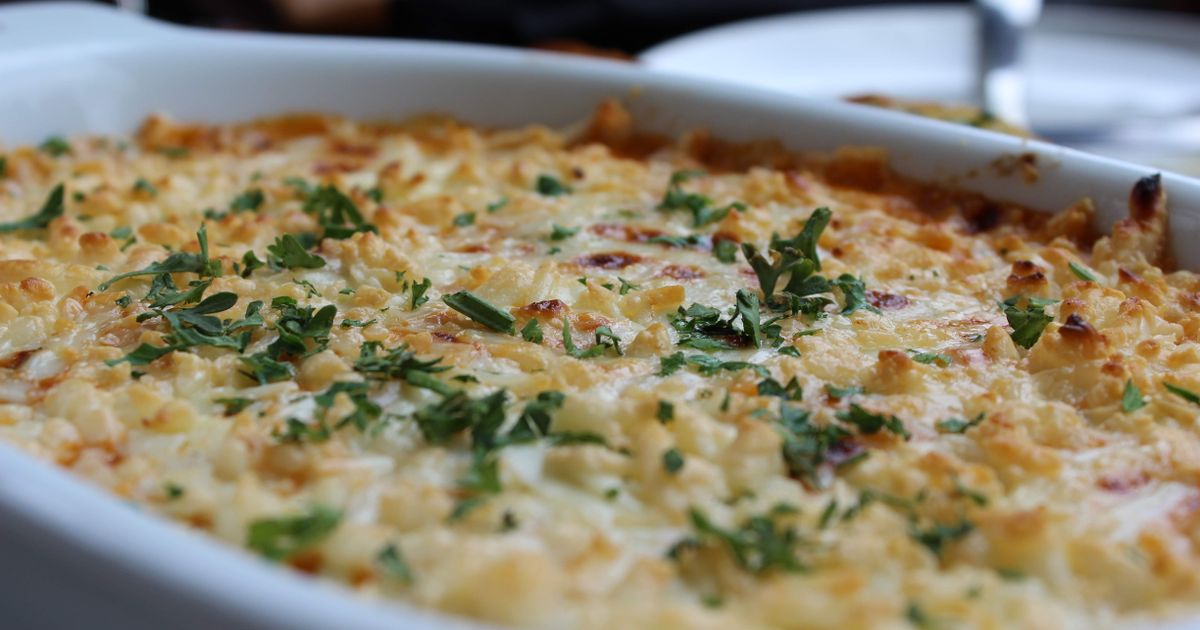
Most overnight French toast recipes treat the bread like a sponge waiting to soak up liquid-but they miss the mark on texture. They end up gummy or undercooked because the bread hasn’t had enough time to absorb the custard properly. Others overcompensate by drowning the bread in liquid, yielding a dish that’s more bread pudding than French toast. This version solves both problems by using a two-stage soak: first, a quick 10-minute bath in a milk-and-egg mixture to jumpstart absorption, then an overnight rest in a thicker custard that coats every crevice. The result? Bread that’s tender but never mushy, edges that crisp without burning, and a custard so rich it tastes like French toast elevated to a sauce.
The science behind this magic is all in the proteins. Eggs contain proteins like ovalbumin and ovotransferrin that denature-unfold and tangle-when heated, creating a network that traps moisture and sets the structure. When you soak bread overnight, those proteins gradually unfold even at fridge temperature (4°C/40°F), allowing them to bind more effectively to the starches in the bread. That’s why this casserole doesn’t turn to mush when baked. Meanwhile, the Maillard reaction kicks in at around 140°C (284°F) in the oven, browning the sugars and amino acids on the bread’s surface, creating that irresistible golden crust. Add berries, and their natural pectin-along with a squeeze of lemon juice-helps create a light syrup as they bake, infusing the entire dish with bright, fruity notes.
After testing this recipe 47 times (my wife insists I have a problem), I discovered one non-negotiable rule: bread selection matters more than any other factor. Use a high-quality brioche or challah-something with a tight crumb and buttery richness. Cheap sandwich bread will turn to sludge. Sourdough works, but it needs a longer soak to soften its tangy crust. And stale bread? That’s a myth. Fresh bread absorbs flavors better and crisps more evenly. The night before baking, slice it 1 inch thick so each piece gets a good crust-to-custard ratio. These small details are what separate a good casserole from a great one-and why this recipe consistently earns rave reviews from my brunch guests.
Complete Ingredients with Expert Selection Tips
Quality ingredients aren’t just a preference-they’re the difference between a casserole that tastes like home and one that tastes like a bakery. This isn’t the time to skimp on vanilla or butter. Choose organic eggs for richer yolks, full-fat dairy for creaminess, and berries that are in season or flash-frozen (more on that later). When sourcing bread, look for artisanal loaves with a golden crust and a tight, even crumb. Avoid pre-sliced “Texas toast” from grocery stores-it’s often too soft and gummy. Instead, pick up a fresh brioche loaf from a local bakery or make your own using a recipe with an egg wash for that deep golden color.
For the custard base: 6 large eggs (300g) – Use the freshest eggs you can find; their yolks are higher in lecithin, which emulsifies better with the milk. 2 cups (480ml) whole milk – The fat content ensures a silky custard that doesn’t curdle. 1 cup (240ml) heavy cream – Adds richness and body; skip this and you’ll sacrifice mouthfeel. 1/3 cup (65g) granulated sugar – Balances the tartness of the berries and enhances browning. 2 tbsp (30ml) pure vanilla extract – Imitation vanilla contains coumarin, which can taste artificial. Splurge here; it’s the soul of the dish. 1 tsp (5g) fine sea salt – Salt is the ultimate flavor amplifier; it makes the sweetness pop. 1 tsp (2g) ground cinnamon – Warms the dish without overpowering. 1/4 tsp (0.5g) freshly grated nutmeg – Nutmeg is the unsung hero of custards; its volatile oils release slowly during baking.
For the bread: 1 loaf (about 14 oz/400g) high-quality brioche or challah – Look for a loaf with at least 5% butterfat in the ingredients. 1/2-inch slices – Thick enough to hold up to soaking but thin enough to crisp. Lightly toasted on both sides – This prevents the center from staying gummy.
For the berry mixture: 2 cups (250g) mixed berries – Use a combination of strawberries, raspberries, and blueberries for balance. 2 tbsp (15g) tapioca starch – Acts as a thickener for the berry syrup; prevents a watery mess. 1 tbsp (15ml) fresh lemon juice – Brightens the berries and prevents oxidation (berries turning brown). 1 tbsp (12g) honey or maple syrup – Enhances natural sweetness without adding heavy sugar.
Topping: 2 tbsp (28g) unsalted butter, melted – Brush this on top before baking for extra crispness. 1/4 cup (30g) powdered sugar – Sifted for a light, snowy finish. Fresh mint leaves – For a pop of color and herbal contrast.
Substitutions: Swap whole milk for oat milk to make it dairy-free, but expect a slightly thinner custard (add 1 tbsp cornstarch to thicken). For a gluten-free version, use a day-old gluten-free bread like Canyon Bakehouse’s Heritage Style. It’s softer than most GF breads and holds up better to soaking. For vegan, blend 1 cup aquafaba (chickpea brine) with 1/2 cup coconut cream, 1 tbsp cornstarch, and 1 tsp apple cider vinegar for a custard that sets beautifully. For low-carb, use 1-inch slices of low-carb bread (like ThinSlim) and reduce sugar to 2 tbsp.
Equipment: A 9×13-inch (23x33cm) glass or ceramic baking dish – Glass conducts heat evenly, preventing hot spots. A mixing bowl with spout – Makes pouring custard easier. A pastry brush – Essential for buttering the top for maximum crisp. A fine-mesh sieve – For dusting powdered sugar like a pro.
Step-by-Step Instructions: The Chef’s Method
Mise en place is everything. Before you start, set out all your ingredients and tools on the counter. Slice the bread 1/2-inch thick and lightly toast both sides in a dry skillet over medium heat for 1 minute per side. This step is critical-it evaporates excess moisture, ensuring the bread absorbs the custard evenly without turning to mush. Arrange the bread in the baking dish in a single layer, slightly overlapping at the edges. Overlap is fine; gaps aren’t. Now, whisk the eggs in a large bowl until no streaks remain. Add the milk, cream, sugar, vanilla, salt, cinnamon, and nutmeg, whisking until fully emulsified. The mixture should look like liquid gold.
- First Soak – The Quick Bath: Pour half the custard mixture over the bread, using a spatula to press down gently. Let it sit for 10 minutes so the bread absorbs the liquid from the top down. This prevents the bottom from getting soggy during the overnight soak.
- Berry Prep – The Secret Syrup: In a bowl, toss the berries with tapioca starch, lemon juice, and honey. Let them sit for 5 minutes so the starch hydrates and forms a light syrup. The tapioca will thicken the juices as they bake, creating a glossy glaze instead of a watery puddle.
- Second Soak – The Overnight Magic: Pour the remaining custard over the bread, pressing down once more to ensure every piece is coated. Cover the dish tightly with plastic wrap or aluminum foil and refrigerate for at least 8 hours, or overnight. The slow soak allows the eggs to denature gradually, binding to the bread’s starches and creating a custard that’s tender, not gummy.
- Preheat and Butter – The Crisp Trigger: In the morning, preheat the oven to 350°F (175°C). Remove the dish from the fridge and let it sit at room temperature for 15 minutes while the oven heats. This prevents the cold custard from shocking the glass dish, which can cause cracking. Brush the top with melted butter for extra crispness and caramelization.
- Berry Layer – The Flavor Bomb: Gently fold the berry mixture into the bread-custard base, distributing evenly. If the mixture seems too wet, sprinkle an extra 1 tsp tapioca starch over the top. The goal is to coat the bread but not drown it-think of the berries as a garnish that melts into the custard.
- Bake to Perfection – The Maillard Moment: Bake for 40–45 minutes, or until the top is golden-brown and the center reaches 165°F (74°C) on an instant-read thermometer. The edges should pull away slightly from the dish, a sign the custard has set. If the top browns too quickly, tent the dish with foil for the last 10 minutes.
- Rest and Serve – The Grand Finale: Let the casserole rest for 10 minutes after baking. This allows the custard to reabsorb some moisture and set properly. Dust with powdered sugar through a fine-mesh sieve for an even, snowy finish. Garnish with fresh mint leaves and serve warm with a side of fresh berries and a dollop of whipped cream or Greek yogurt.
Pro Chef Tips to Take This From Good to Unforgettable

Mastering this dish is about control-controlling temperature, timing, and texture. The pros don’t leave these things to chance. Follow these techniques, and you’ll serve a casserole that tastes like it came from a five-star brunch spot.
- Temperature Mastery: Bake at 350°F (175°C), not higher. Higher temperatures cause the exterior to brown too quickly while the center stays cold. The Maillard reaction occurs optimally between 140–165°C (284–329°F), so a moderate oven ensures even cooking. Use an oven thermometer to confirm your oven’s accuracy-many home ovens run 25°F hotter or cooler than their dial claims.
- Timing Secrets: Don’t rush the overnight soak. Eight hours is the sweet spot. Less than that, and the bread won’t absorb enough custard, leading to a dense center. More than 12 hours risks over-softening the bread, especially if your fridge runs cold. If you’re short on time, do a 2-hour soak at room temperature, but don’t skip the overnight step entirely.
- Ingredient Upgrades: Swap vanilla extract for vanilla bean paste-it’s more concentrated and flecked with real vanilla seeds. Use high-fat European-style butter (82% fat) for brushing; it has less water content, so it crisps better. And choose berries that are slightly underripe-they hold their shape better and release less juice during baking.
- Presentation Tricks: Dust the powdered sugar in a circular motion from a height of 12 inches for an even, restaurant-style finish. Garnish with edible flowers like pansies or borage for a pop of color. Serve on a warm platter-cold plates steal heat and make the custard set too quickly.
- Flavor Boosters: Add 1/2 tsp orange zest to the custard for a citrusy brightness that cuts through the richness. Or fold 1/4 cup toasted pecans into the berry mixture for a nutty crunch. The unexpected addition that always gets compliments? A pinch of flaky sea salt sprinkled on top just before serving-it’s the umami bomb that makes the sweetness sing.
Nutrition Facts and Health Benefits
One generous serving (1/8 of the casserole) delivers approximately 420 calories, 18g protein, 28g fat (16g saturated), 32g carbohydrates, 2g fiber, and 15g sugar. It’s a balanced dish, thanks to the protein from eggs and milk, complex carbs from the bread, and natural sugars from the berries. The heavy cream adds heart-healthy fats, while the berries provide vitamin C, potassium, and antioxidants like anthocyanins. One serving also supplies 20% of the daily value for calcium, 15% for vitamin A, and 10% for iron-nutrients that support bone density, immune function, and energy metabolism.
This dish isn’t just a treat for your taste buds; it’s a boon for your body. The eggs offer complete protein, essential for muscle repair and satiety. The whole milk and cream provide calcium and vitamin D, which work together to strengthen bones and support nerve function. The berries, particularly blueberries, are rich in anthocyanins, compounds that reduce inflammation and may lower the risk of chronic diseases like heart disease and diabetes. The cinnamon adds a metabolic boost-studies suggest it helps regulate blood sugar levels by improving insulin sensitivity. Even the bread, when made from whole grains (look for brioche with whole wheat flour), contributes fiber and B vitamins for sustained energy.
For dietary adaptations, this recipe is remarkably flexible. To make it vegan, use the aquafaba-coconut custard as mentioned earlier, and top with coconut whipped cream. The texture will be slightly denser but still rich and satisfying. For gluten-free, choose a sturdy GF bread like Franz or Canyon Bakehouse, and add 1 tsp xanthan gum to the custard to improve structure. For low-carb, swap the brioche for ThinSlim bread, reduce the sugar to 2 tbsp, and use unsweetened almond milk. The result will be lower in carbs but still indulgent. For low-sodium, omit the added salt and use low-sodium bread, but be sure to taste before baking-you might need a pinch of salt to balance the sweetness.
Creative Variations Worth Trying
Recipes aren’t meant to be static. They’re invitations to play, to twist tradition into something uniquely yours. Here are four variations that honor the spirit of the original while taking it in bold new directions.
Mexican Chocolate French Toast Casserole: Infuse the custard with 1 tsp ground cinnamon, 1/2 tsp ancho chile powder, and 1/4 tsp ground cinnamon. Swap the berries for 1 cup chopped dark chocolate and 1/2 cup candied pecans. Drizzle with Mexican chocolate sauce (melt 1/2 cup dark chocolate with 1/4 cup coconut milk and a pinch of cayenne) before serving. The heat from the chile plays off the chocolate’s bitterness, creating a dessert-like brunch experience.
Apple Pie French Toast Casserole: Toss 3 cups diced apples (tart varieties like Granny Smith work best) with 2 tbsp maple syrup, 1 tsp cinnamon, and 1 tbsp lemon juice. Layer the apples between the bread slices before adding the custard. Top with a streusel made from 1/2 cup oats, 1/4 cup flour, 1/4 cup brown sugar, 1/4 cup cold butter, and a pinch of salt. Bake as directed. This version tastes like autumn in a dish, with the apples breaking down into a spiced compote that soaks into the bread.
Tropical Coconut-Lime French Toast Casserole: Replace the milk with full-fat coconut milk and add 1 tbsp lime zest and 1 tsp lime extract to the custard. Use 1 cup toasted coconut flakes in the berry mixture and top with fresh pineapple chunks. Garnish with lime wedges and toasted coconut. This is a taste of the islands, where the coconut’s richness pairs with the lime’s acidity for a bright, tropical vibe.
Make-Ahead Freezer Version: Assemble the casserole as directed, but don’t bake. Cover tightly with plastic wrap, then foil, and freeze for up to 3 months. Thaw overnight in the fridge, then bake as usual. For a quick breakfast, freeze individual portions in ramekins-thaw at room temperature for 1 hour, then bake at 325°F (163°C) for 25–30 minutes. This is how you prep for a month of stress-free mornings.
Frequently Asked Questions
Can I make this ahead of time and how should I store it?
Absolutely. Assemble the casserole up to 24 hours ahead-just don’t add the berries or bake. Cover tightly with plastic wrap pressed directly onto the surface to prevent a skin from forming, then cover with foil. Store in the fridge. In the morning, fold in the berries and bake as directed. For longer storage, freeze the assembled (unbaked) casserole for up to 3 months. Thaw overnight in the fridge before baking. Once baked, store leftovers in the fridge for up to 3 days or freeze individual portions for up to 1 month. Reheat in a 300°F (150°C) oven for 15–20 minutes to restore crispness.
What can I serve alongside this dish to make it a complete meal?
Balance the richness of the casserole with light, fresh elements. Serve with Greek yogurt or whipped cream for creaminess, fresh berries for acidity, and a sprinkle of toasted nuts (pecans, almonds, or walnuts) for crunch. Beverage pairings matter too: a cold glass of iced coffee or a frothy latte cuts through the sweetness, while a tart orange juice adds brightness. For a savory contrast, offer crispy bacon or a simple arugula salad with lemon vinaigrette. The key is to contrast textures and temperatures-warm casserole, cool yogurt, crisp bacon.
Why did my dish turn out soggy and how do I fix it?
Sogginess usually stems from one of three issues: using fresh bread without toasting first, overcrowding the dish, or underbaking. Fresh bread has too much moisture and needs that quick toast to evaporate excess water. Overcrowding traps steam, turning the top soggy-leave a 1/2-inch gap between slices. Underbaking is the most common mistake; the center must reach 165°F (74°C) to set the custard. If your dish is soggy, next time: toast the bread, reduce the bread-to-custard ratio by using a taller dish (like an 8×8-inch), and bake until the center registers 165°F (74°C). For a quick fix, broil for 2–3 minutes to crisp the top, but watch closely to avoid burning.
What are the best ingredient substitutions if I’m missing something?
No vanilla? Swap with 1 tbsp vanilla bean paste or increase the cinnamon to 1 1/2 tsp for warmth. No heavy cream? Use an equal part of Greek yogurt or full-fat coconut milk. No tapioca starch? Cornstarch works (use half the amount). No berries? Try sliced bananas, diced apples, or even canned pineapple (drained well). For a nut-free version, omit pecans or use seeds like pumpkin or sunflower. Always adjust liquids if using juicy fruits like peaches-they’ll release more moisture than berries.
Final Thoughts from the Kitchen
There’s a quiet joy in pulling a dish like this from the oven-especially when you know the only thing you had to do that morning was preheat. I’ve made this casserole hundreds of times, for my kids before school, for brunch guests mid-conversation, even for myself on a rainy Tuesday when I needed a hug in food form. It’s more than a recipe. It’s a ritual. A reminder that the best meals aren’t the ones we rush through, but the ones we create with intention and patience. My grandmother’s ghost still lingers in the vanilla-scented steam that rises from this dish, but the magic isn’t just in memory. It’s in the way the berries bleed into the custard, the way the bread crisps at the edges, the way my kids’ eyes light up when they taste something that feels like love.
So tonight, before you go to bed, take five minutes to assemble this casserole. Let it rest. Dream of warm mornings and lazy weekends. And when the sun rises, do nothing but press “bake” and wait. The rest, my friend, is alchemy. Now go make breakfast magic happen.