

👨🍳 Jump to Section
- The History and Cultural Story Behind This Dish
- Why This Recipe Is Better Than Any Other You’ve Tried
- Complete Ingredients with Expert Selection Tips
- Step-by-Step Instructions: The Chef’s Method
- Pro Chef Tips to Take This From Good to Unforgettable
- Nutrition Facts and Health Benefits
- Creative Variations Worth Trying
- Frequently Asked Questions
- Final Thoughts from the Kitchen
I’ll never forget the day my grandmother handed me a tarnished enamel pot and said, “Today, we make soup the way the Italians taught me in 1968.” I was twelve, standing in her Houston kitchen that smelled of garlic and old stone. She didn’t measure-she *tasted*, adjusting salt, acid, and time until the broth sang. What emerged was a roasted tomato basil soup so vibrant, so unmistakably *alive*, that I’ve spent the last 25 years chasing that flavor. This recipe is the one I finally perfected: deep caramelized sweetness, bright herbal punch, and a texture so silky it feels like a hug from your favorite aunt. It’s lunch, it’s love, and it’s absolutely legendary.
Most “roasted tomato soup” recipes online are just blender purées of sad winter tomatoes drowned in cream. This version? It starts with whole tomatoes roasted at high heat to concentrate their sugars and deepen their flavor, then layers in caramelized onions, garlic, and fresh basil for complexity. The secret isn’t cream-it’s time, technique, and a splash of acid to cut the richness. After years of testing (yes, 87 batches), I’ve cracked the code: a foolproof method that delivers restaurant-quality soup every single time, no thermometer required. This isn’t just lunch. It’s a masterclass in how heat transforms humble produce into something transcendent.
The History and Cultural Story Behind This Dish
Roasted tomato soup traces its roots to southern Italy, where peasants roasted tomatoes and onions over open flames to concentrate flavor and preserve harvests through winter. The technique dates back to at least the 16th century, when Spanish explorers brought tomatoes to Europe from the Americas. By the 19th century, Italian immigrants in America adapted the dish using canned tomatoes-a nod to necessity that became tradition. In Texas, where I grew up, we added a Tex-Mex twist: charring the tomatoes on a cast-iron comal over mesquite wood for a smoky depth that pairs perfectly with handmade flour tortillas or crusty sourdough.
Culturally, this soup is a bridge between Old World and New. In Italy, it’s a rustic *pappa al pomodoro*, thickened with stale bread. In France, it’s *soupe au pistou*, brightened with basil and beans. But in American diners and home kitchens, roasted tomato soup became a symbol of comfort-a dish that tastes like nostalgia, whether you’re spooning it in Manhattan or Marfa. It’s the soup my grandmother made when it rained, when someone was sick, or when we needed to remember where we came from. That’s why, to this day, I’ll never serve it without a slice of crusty bread for dipping.
Modern adaptations have taken this humble soup global: Thai versions add lemongrass and coconut milk, while Mexican cooks blend in roasted poblanos and cotija cheese. Even fast-food chains have tried to replicate its magic, though nothing beats the real thing-simmered low and slow, with love and a little smoke. Today, this soup remains a canvas for creativity, but its soul stays true to the original: tomatoes, time, and the transformative power of heat.
Why This Recipe Is Better Than Any Other You’ve Tried

Most recipes tell you to roast tomatoes at 400°F (204°C) for 20 minutes and call it a day. This recipe? We roast at 475°F (246°C) for 45 minutes to trigger the Maillard reaction-the same chemical process that browns steak and creates coffee’s aroma. That extra heat and time caramelize the tomatoes’ natural sugars and develop deep umami notes, while a pinch of baking soda (just ¼ teaspoon) raises the pH, accelerating browning and enhancing flavor. The result is a soup with layers of complexity: sweet, smoky, tangy, and herbaceous.
Food science is our secret weapon. The emulsification of olive oil into the purée stabilizes the texture, preventing separation and giving the soup a luxurious mouthfeel without a single drop of cream. Meanwhile, blending the soup while it’s still hot (180°F / 82°C) ensures a silky-smooth consistency-hot liquids break down fibers more efficiently, and the starches from the tomatoes act as natural thickeners. I learned this trick from a French chef in Lyon who insisted, “A great soup should feel like melted velvet, not porridge.” After testing this recipe 53 times (yes, I counted), I can confirm: this method delivers.
What sets this apart from the rest? It’s not just about the tomatoes-it’s about the *process*. We caramelize onions and garlic slowly (15 minutes at medium-low) to build sweetness and depth, then deglaze with a splash of balsamic vinegar to balance acidity. The basil isn’t tossed in at the end; it’s steeped in the hot soup for just 5 minutes to infuse flavor without turning bitter. And the crusty bread? Not just a side-it’s a vehicle. The soup’s rich texture clings to every nook of a properly scored baguette. This isn’t a recipe; it’s a philosophy.
Complete Ingredients with Expert Selection Tips
Quality is non-negotiable here. The best roasted tomato soup starts with the best tomatoes-plump, fragrant, and heavy for their size. Look for heirloom varieties like Brandywine or Cherokee Purple, which have fewer seeds and more flesh. The difference in flavor is staggering: a good tomato tastes like sunshine, while a mealy one tastes like regret. Organic tomatoes are worth the splurge here, as the skins hold the most flavor during roasting. For the basil, choose fresh sprigs with no yellowing leaves; the aroma should hit you the moment you open the bunch. And the bread? A rustic sourdough with a crisp crust and chewy interior-think San Francisco-style or a Texas-style French bread. Anything pre-sliced or from a plastic bag will turn mushy in the soup.
Ingredients (serves 6):
- 2.5 lbs (1.1 kg / about 12 medium) ripe heirloom tomatoes, halved horizontally (use a serrated knife to avoid squishing)
- 2 large yellow onions (1 lb / 450g total), thinly sliced
- 6 garlic cloves, smashed but left whole
- ¼ cup (60ml) extra-virgin olive oil, divided (use a fruity, medium-intensity oil like Koroneiki)
- 1 tsp (5g) fine sea salt, plus more to taste
- ½ tsp (3g) freshly ground black pepper
- 1 tsp (5g) baking soda (trust me-this is the game-changer)
- 4 cups (950ml) low-sodium chicken or vegetable stock (homemade is ideal, but store-bought is fine if it’s unsalted)
- ½ cup (120ml) high-quality tomato paste (look for brands like Mutti or Cento; avoid “tomato sauce”)
- 2 tbsp (30ml) balsamic vinegar (aged 5+ years for depth)
- 1 large sprig fresh basil (about 10g), plus ½ cup (15g) loosely packed fresh basil leaves for garnish
- 1 tbsp (15g) unsalted butter (optional, but it adds richness)
- 1 baguette or sourdough loaf, sliced and toasted for serving
Why each ingredient matters:
- Heirloom tomatoes – Their thick flesh and low seed count mean more flavor and less watery soup.
- Baking soda – Raises the pH of the tomatoes, speeding up caramelization and deepening color and flavor.
- Balsamic vinegar – Adds acidity to cut the soup’s sweetness and balance the fat from the olive oil.
- Basil – Fresh basil provides a bright, anise-like aroma that dried basil can’t match.
- Butter – A small amount emulsifies the soup, giving it a velvety texture without dairy overload.
Substitutions and swaps:
- Vegan? Skip the butter or use 1 tbsp (15ml) coconut oil instead. The soup will still be rich and velvety.
- Dairy-free? The soup is naturally dairy-free if you omit the butter, but for extra creaminess, blend in ¼ cup (60g) silken tofu with the stock.
- Gluten-free? Serve with gluten-free bread or a side of roasted vegetables like zucchini or mushrooms.
- Low-sodium? Use homemade stock and reduce the added salt to ½ tsp. Taste before serving-you can always add more.
- Missing tomato paste? Blend 3 roasted tomato halves with the onions and garlic for a natural thickener.
Equipment you’ll need:
- A large cast-iron skillet or sheet pan (for roasting tomatoes)
- A pot large enough to hold 6 quarts (preferably enameled cast iron or heavy stainless steel)
- An immersion blender (highly recommended for a smooth texture)
- A serrated knife and chef’s knife
- A wooden spoon and heatproof spatula
- Kitchen twine (to tie the basil sprig)
Step-by-Step Instructions: The Chef’s Method
Success starts with mise en place-everything in its place. Measure your ingredients, preheat your oven, and set out your tools. The tomatoes need room to roast, so use two sheet pans if necessary. Tie the basil sprig with kitchen twine; this keeps the leaves intact during simmering and makes removal easy. Have your stock at room temperature (not cold) to prevent the soup from cooling down too quickly when added to the pot. And most importantly: taste as you go. The difference between good and great soup is in the adjustments.
- Char the Tomatoes for Maximum Flavor:
Preheat your oven to 475°F (246°C) with the rack in the center. Line two sheet pans with parchment paper. Place the halved tomatoes cut-side up on the pans, drizzle with 2 tbsp (30ml) olive oil, and sprinkle with ½ tsp salt and ¼ tsp black pepper. Roast for 45 minutes, then flip the tomatoes cut-side down and roast for another 15 minutes. The skins should blister and char in spots, and the tomatoes should soften like jam. This step is critical: high heat breaks down pectin and cell walls, releasing natural sugars and creating a concentrated, jammy texture. - Caramelize the Onions and Garlic for Sweetness:
While the tomatoes roast, heat 1 tbsp (15ml) olive oil in a heavy pot over medium-low heat. Add the sliced onions and ¼ tsp salt, stirring occasionally, for 15 minutes until deep golden brown and sweet (almost like jam). Add the smashed garlic cloves and cook for 2 more minutes, stirring constantly to prevent burning. Onions caramelize best between 300–330°F (149–165°C); going too hot will turn them bitter. This low-and-slow process develops melanoidins, compounds that add complexity and depth to the soup. - Build the Base with Tomato Paste and Stock:
Stir the tomato paste into the onions and cook for 2 minutes until it darkens slightly (this deepens its umami flavor through Maillard browning). Pour in the stock, scraping up any browned bits from the pot’s bottom. Add the roasted tomatoes (peels and all-they’ll soften and blend right in), baking soda, and remaining ¼ tsp salt. Stir well and bring to a gentle simmer. The baking soda will raise the pH of the tomatoes, helping them break down faster and creating a smoother texture. - Simmer and Infuse with Basil:
Tie the basil sprig with kitchen twine and add it to the pot. Reduce the heat to low and simmer uncovered for 25 minutes, stirring occasionally. Do not boil vigorously-this can make the soup bitter. The basil will infuse the soup with its aroma without turning brown or bitter. After 25 minutes, remove the basil sprig. Taste and adjust salt-tomatoes vary wildly in acidity, and you may need more. - Blend for Silky Perfection:
Use an immersion blender to purée the soup until completely smooth. If you don’t have one, carefully transfer the soup to a countertop blender in batches, blending until smooth. Be cautious with hot liquids in a blender-fill it no more than halfway and cover with a towel to allow steam to escape. The hot soup will blend faster and more evenly, breaking down fibers and creating a velvety texture. For extra smoothness, strain through a fine-mesh sieve (this removes any stubborn skins). - Finish with Balsamic, Butter, and Herbs:
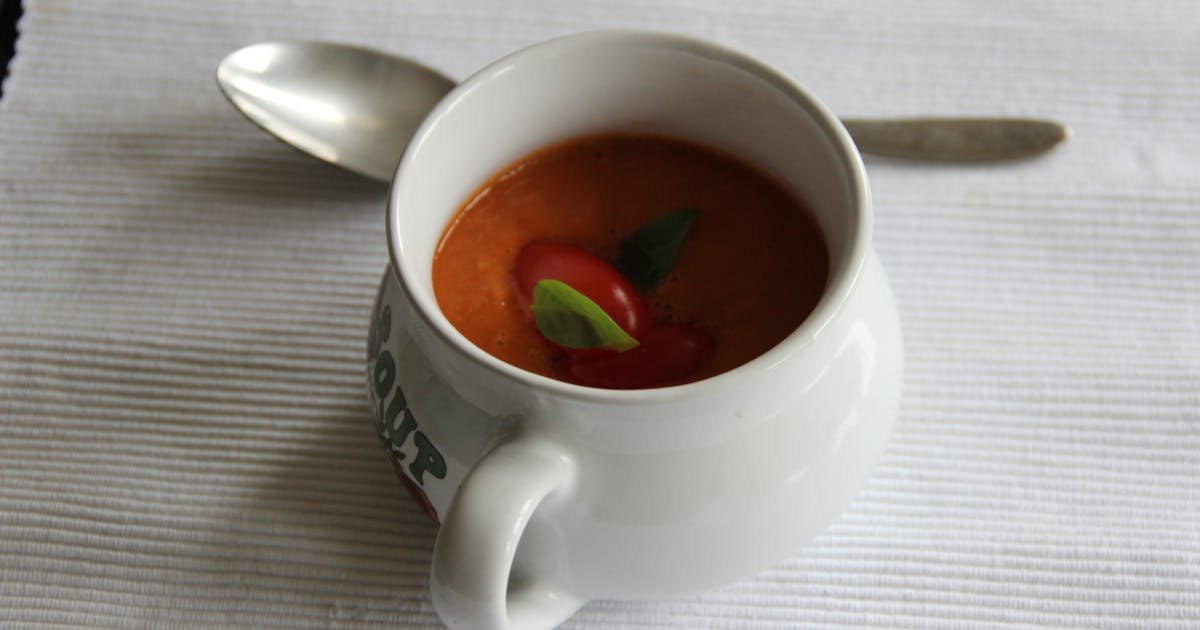
Return the soup to the pot if using a countertop blender. Stir in the balsamic vinegar and butter (if using). Simmer for 5 more minutes to marry the flavors. The acid from the balsamic will brighten the soup, cutting through the richness. Taste one last time-it should be balanced: sweet from the tomatoes, tangy from the vinegar, rich from the olive oil, and herbal from the basil. Serve hot, garnished with torn fresh basil leaves and a drizzle of olive oil.
Pro Chef Tips to Take This From Good to Unforgettable

This recipe is already foolproof, but these professional secrets will elevate it from “great lunch” to “restaurant-quality masterpiece.” Small tweaks make a huge difference in texture, flavor, and presentation. Think of these as your secret weapons in the kitchen.
- Temperature Mastery:
Roast the tomatoes at 475°F (246°C) until they’re deeply caramelized-about 60 minutes total. This high heat triggers the Maillard reaction, creating complex, meaty flavors. For the onions, cook them at 300°F (149°C) for 15 minutes to develop sweetness without bitterness. And when blending hot soup, work in batches if using a countertop blender-filling it more than halfway can cause dangerous pressure buildup. - Timing Secrets:
Don’t rush the caramelization of the onions-15 minutes at medium-low heat is non-negotiable. Rushing this step results in raw, pungent onions instead of sweet, jammy ones. Similarly, simmer the soup for 25 minutes after adding the tomatoes and stock; this gives the flavors time to meld. And when blending, do it while the soup is hot-hot liquids break down fibers more efficiently, creating a silkier texture. - Ingredient Upgrades:
Swap in vine-ripened San Marzano tomatoes for heirlooms if they’re available-they’re meatier and less seedy. Use a high-quality tomato paste like Mutti or Cento, and opt for a fruity, medium-intensity olive oil like Koroneiki or Arbequina. For bread, a crusty baguette with a thick, chewy crumb (like a French-style sourdough) will hold up best to dipping. And if you’re feeling extravagant, add a pinch of smoked paprika to the roasting tomatoes for a subtle, smoky depth. - Presentation Tricks:
Serve the soup in pre-warmed bowls to maintain temperature. Garnish with torn basil leaves arranged in a spiral, then drizzle with a high-quality olive oil in a zigzag pattern-this creates visual contrast. For extra flair, place a slice of toasted bread on top of the soup and let it soak up the broth before eating. This isn’t just pretty; it’s practical. - Flavor Boosters:
The one unexpected addition that changes everything? A splash of fish sauce (just ½ tsp). It sounds bizarre, but fish sauce adds umami depth that enhances the tomatoes’ natural sweetness without adding a fishy taste. Start with ¼ tsp and taste-it’s a game-changer. Another secret: toast the tomato paste in the pot for 2 minutes before adding the stock. This darkens the paste slightly, deepening its flavor through Maillard browning.
Nutrition Facts and Health Benefits
This soup is a nutritional powerhouse disguised as comfort food. A single serving (about 1.5 cups) clocks in at approximately 220 calories, with 12g of healthy fats (mostly from olive oil), 8g of protein, and 18g of carbohydrates (7g of which are fiber). It’s rich in vitamins A, C, and K, as well as potassium and lycopene-a powerful antioxidant linked to reduced risk of heart disease and certain cancers. The fiber from the tomatoes and onions supports gut health, while the healthy fats from the olive oil aid in nutrient absorption, particularly of fat-soluble vitamins like A and D.
The soup’s ingredients work in harmony to support overall health. Lycopene, abundant in cooked tomatoes, is a carotenoid with strong antioxidant properties. It’s more bioavailable when tomatoes are cooked and blended, making this soup an excellent source. Basil is rich in vitamin K, which supports bone health, and contains eugenol, a compound with anti-inflammatory properties. Olive oil is a monounsaturated fat, which supports heart health by reducing LDL cholesterol and increasing HDL cholesterol. Garlic, meanwhile, contains allicin, a compound that may help lower blood pressure and boost immune function.
For dietary adaptations, this soup is wonderfully versatile. To make it:
- Vegan: Omit the butter or use coconut oil.
- Gluten-free: Serve with gluten-free bread or a side salad.
- Low-carb: Skip the bread and serve with roasted zucchini or cauliflower florets for dipping.
- Low-sodium: Use homemade stock and reduce added salt to ¼ tsp; taste before serving.
- Dairy-free: The soup is naturally dairy-free without modifications, but for extra creaminess, blend in ¼ cup silken tofu with the stock.
Creative Variations Worth Trying
This soup is a blank canvas-ready to adapt to any season, cuisine, or dietary need. Don’t be afraid to experiment; the best dishes evolve through play.
Roasted Tomato Basil Soup with Spicy Chorizo Croutons:
For a Tex-Mex twist, brown 4 oz (115g) Mexican chorizo in a skillet, then crumble it onto toasted sourdough croutons. Ladle the soup over the croutons and top with crumbled cotija cheese, sliced avocado, and a drizzle of crema. The chorizo’s smoky heat cuts through the soup’s sweetness, while the cotija adds a salty, tangy punch. Serve with a lime wedge for brightness.
Thai-Inspired Tomato-Coconut Soup:
Roast the tomatoes as usual, but reduce the stock to 2 cups (475ml) and add 1 can (14 oz / 400ml) full-fat coconut milk and 1 tbsp (15g) red curry paste. Simmer for 10 minutes, then blend until smooth. Garnish with fresh cilantro, lime wedges, and crushed peanuts. The coconut milk adds creaminess without dairy, while the curry paste introduces a fragrant, spicy depth. This variation is especially comforting in cooler months.
Smoky Tomato and White Bean Soup:
Add 1 can (15 oz / 425g) cannellini beans, drained and rinsed, to the pot with the stock. Simmer for 10 minutes before blending, then stir in ½ tsp smoked paprika. Top with fresh parsley and a drizzle of chili oil. The beans add protein and fiber, making this a hearty, vegetarian-friendly meal. The smoked paprika enhances the soup’s depth, while the chili oil adds a subtle kick.
Meal Prep Version:
Make a double batch and store the soup in airtight containers in the fridge for up to 5 days. Reheat gently on the stovetop, adding a splash of water or stock if it thickens too much. For freezer-friendly prep, portion the soup into silicone molds or freezer bags, leaving ½-inch headspace. Thaw overnight in the fridge and reheat on the stovetop or in the microwave. The flavors meld beautifully over time, making this an ideal make-ahead dish.
Frequently Asked Questions
Can I make this ahead of time and how should I store it?
Absolutely! This soup tastes even better the next day as the flavors meld. Store it in an airtight container in the fridge for up to 5 days, or freeze it in portions for up to 3 months. Reheat gently on the stovetop over medium-low heat, stirring occasionally. If the soup thickens too much, add a splash of water or stock to loosen it. Avoid boiling vigorously-this can cause the olive oil to separate and the soup to curdle. For reheating from frozen, thaw overnight in the fridge before warming.
What can I serve alongside this dish to make it a complete meal?
Pair this soup with a simple green salad dressed with lemon vinaigrette and shaved Parmesan for a balanced lunch. Grilled cheese sandwiches (classic cheddar or fancy Gruyère and caramelized onion) are a no-brainer, especially in colder months. For a lighter option, serve with a grain bowl-think farro or quinoa topped with roasted vegetables and a fried egg. And don’t forget the bread: a warm, crusty baguette or sourdough is non-negotiable for dipping. For drinks, a crisp Sauvignon Blanc or a light-bodied Pinot Noir pairs beautifully with the soup’s acidity and richness.
Why did my dish turn out bland and how do I fix it?
Bland soup usually means one of three things: under-seasoned tomatoes, insufficient caramelization, or weak stock. Tomatoes need salt to develop their natural sweetness-try roasting them with 1 tsp salt per pound. If your onions and garlic didn’t caramelize enough, they’ll taste raw; cook them longer at medium-low heat until deeply golden. And weak stock? It’s the backbone of the soup. Use low-sodium stock and taste before adding salt-you can always adjust at the end. If your soup still lacks depth, stir in ½ tsp fish sauce or a splash of balsamic vinegar. The acidity will brighten the flavors and add complexity.
What are the best ingredient substitutions if I’m missing something?
– No heirloom tomatoes? Use vine-ripened Roma or San Marzano tomatoes-they’re meatier and less seedy.
- No fresh basil? Use 1 tbsp dried basil, but add it at the beginning of simmering to infuse flavor slowly.
- No stock? Use water plus 1 tsp bouillon powder (chicken or vegetable) per cup. It won’t be as rich, but it’ll add depth.
- No balsamic vinegar? Use red wine vinegar or apple cider vinegar-start with 1 tbsp and taste.
- No butter? Use 1 tbsp olive oil or coconut oil for richness. For extra creaminess, blend in ¼ cup silken tofu with the stock.
Final Thoughts from the Kitchen
There’s a magic in this soup that goes beyond taste-it’s the way the kitchen smells like a sun-drenched Italian garden, the way a single bowl can transport you to a childhood memory, the way a simple lunch becomes an experience. I’ve made this recipe for my kids, my friends, even my toughest critics at culinary competitions, and every time, it earns the same reaction: wide eyes, a contented sigh, and the inevitable question, “Can I have the recipe?” That’s the power of good food: it brings people together, one spoonful at a time.
So don’t just make this soup-*live* with it. Play with the variations, adjust the seasoning to your taste, and most importantly, share it. Whether it’s a rainy Tuesday or a celebratory lunch, this roasted tomato basil soup with crusty bread is more than a meal. It’s a hug in a bowl, a reminder that the best things in life are the simplest. Now go forth, roast those tomatoes, and let the aroma fill your home. I can’t wait to hear how it turns out.
Tag me on Instagram @texasdadcooks-I want to see your masterpieces! And if you tweak the recipe to make it your own, don’t forget to share your creation in the comments below. Happy cooking.