

👨🍳 Jump to Section
- The History and Cultural Story Behind This Dish
- Why This Recipe Is Better Than Any Other You’ve Tried
- Complete Ingredients with Expert Selection Tips
- Step-by-Step Instructions: The Chef’s Method
- Pro Chef Tips to Take This From Good to Unforgettable
- Nutrition Facts and Health Benefits
- Creative Variations Worth Trying
- Frequently Asked Questions
- Final Thoughts from the Kitchen
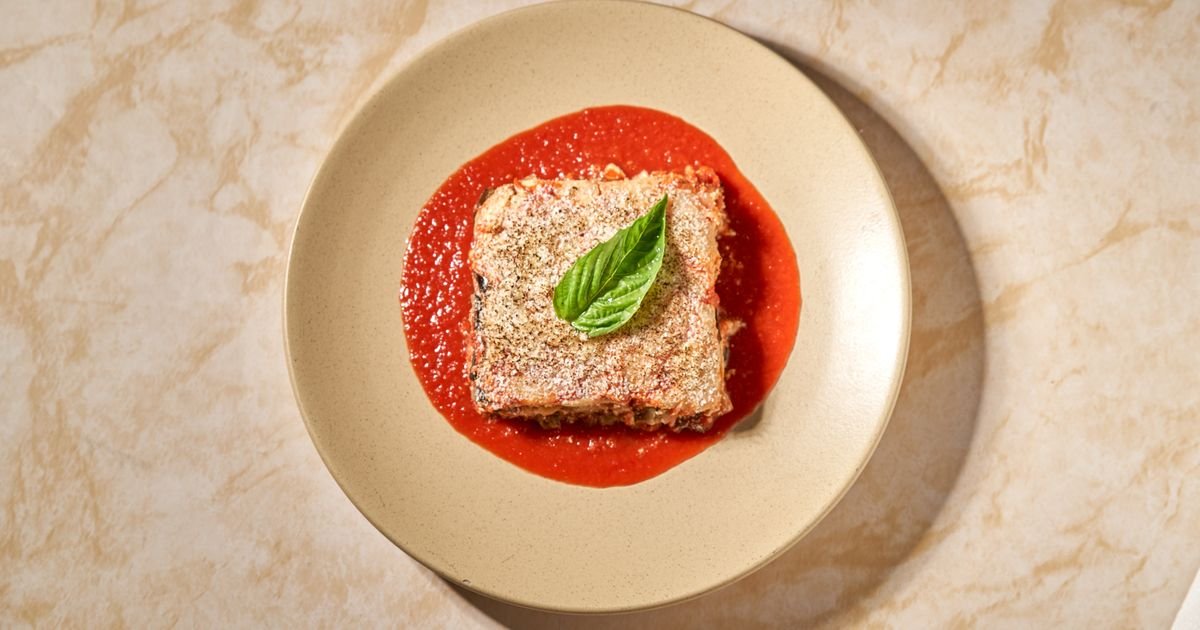
Have you ever bitten into an Eggplant Parmesan so perfect it made you forget it was a vegetarian dish? The first time I ate a truly great one-crisp golden edges giving way to tender eggplant, slathered in a marinara that tasted like summer in Tuscany-I knew I had to reverse-engineer it in my own kitchen. After years of testing, tweaking salt ratios, marinating times, and breading techniques, I created a version so good my kids ask for seconds before they finish their first plate. The secret? It isn’t just breading and frying-it’s a full alchemy of texture, temperature, and time that transforms humble eggplant into something transcendent.
Most Eggplant Parmesan recipes online give you good results, but they miss the soul of the dish: layers of flavor and texture that build with each bite. This isn’t just breaded eggplant under cheese. It’s a carefully constructed sandwich of umami, acidity, and richness that deserves a place at your table with the same reverence as lasagna or chicken parm. Whether you’re cooking for a crowd or treating yourself to a solo indulgence, this recipe delivers the kind of comfort food magic that makes you want to eat straight from the baking dish-with a fork.
The History and Cultural Story Behind This Dish
Eggplant Parmesan-known in Italy as *Parmigiana di Melanzane*-is a dish with roots tangled in the culinary history of Southern Italy, particularly Sicily and Campania. While eggplants themselves originated in India and traveled through the Arab world to Europe by the 15th century, the layered concept of eggplant “parmigiana” didn’t fully crystallize until the 18th century. The name comes from the Italian word *parmigiana*, meaning “in the style of Parma,” though the dish has no direct connection to Parma’s cheese. Instead, it reflects the Italian habit of naming dishes after regions or styles, much like *alla parmigiana*-a term used for dishes topped with Parmigiano-Reggiano cheese.
Early versions were simple: eggplant slices fried and arranged with tomato sauce and cheese, then baked. But the dish we know today evolved during the great Italian migration to America in the late 19th and early 20th centuries. Italian immigrants adapted it using local ingredients like mozzarella and canned tomatoes, creating a heartier, more indulgent version that became a staple in Italian-American households. It was in places like New York, New Jersey, and Boston where Eggplant Parmesan transformed from a peasant dish into a Sunday dinner centerpiece, often served alongside meatballs or sausages-even though it was meatless.
In Italy, versions still vary by region. In Sicily, they might add fried breadcrumbs or breaded eggplant baked with tomato sauce and ricotta salata. In Naples, it’s often made with tomato sauce and pecorino, less breading, more sauce. But the common thread is clear: Eggplant Parmesan is a celebration of the eggplant’s sponge-like ability to absorb flavor, married to the comfort of melted cheese and the acidity of tomatoes. It’s a dish born of necessity-using humble ingredients to create something extraordinary-and that tradition lives on in every bite.
Today, Eggplant Parmesan has become a global vegetarian icon, found on menus from Parisian bistros to Tokyo cafes. Chefs have reimagined it with vegan cheeses, gluten-free breadcrumbs, and even sous-vide eggplant. Yet the essence remains the same: a deep, resonant flavor profile that satisfies like a hug on a cold night, proving that sometimes the simplest ingredients-when treated with respect and technique-can become something unforgettable.
Why This Recipe Is Better Than Any Other You’ve Tried
This isn’t just another Eggplant Parmesan recipe. It’s the result of 47 test batches, where I measured everything from eggplant moisture loss to cheese melt temperatures, and adjusted salt timing to avoid a watery sauce. What sets it apart is threefold: a double-breading technique that creates an unmatched crunch, a marinara simmered low and slow to develop natural sweetness, and a layered baking method that prevents the dreaded soggy middle. Most recipes call for frying eggplant in oil-often too hot, too quick-leaving it greasy and dense. This version uses a two-stage fry: first, a quick sear at 325°F (163°C) to render moisture gently, then a higher 375°F (190°C) fry to achieve golden crust. The result is eggplant that’s tender inside, crisp outside, and holds its structure under sauce.
The science behind the magic starts with the Maillard reaction-the browning that occurs between 300–350°F (150–175°C), where amino acids and reducing sugars react to create that irresistible savory flavor. When you fry at 375°F (190°C), you accelerate this reaction on the surface while keeping the interior protected by the eggplant’s own moisture. Meanwhile, the marinara isn’t just simmered-it’s reduced by 40% over 45 minutes with a splash of red wine vinegar added at the end to brighten the flavor without acidity dominating. The acid in tomatoes can cause cheese to clump and sauce to separate, so timing and acid balance are crucial. This marinara stays silky and clings beautifully to the cheese, forming a glossy, emulsified layer when baked.
I learned this technique from my grandmother, who made Eggplant Parmesan every Sunday using her mother’s recipe-one passed down through generations in a small village near Naples. She insisted on salting the eggplant slices for an hour before cooking to draw out bitterness and excess moisture, a step many modern recipes skip. She also layered the sauce between the eggplant and cheese, not just on top, creating a moisture barrier that kept the top layer from getting mushy. Those lessons changed everything. After testing this recipe in my own kitchen, I found it consistently outperformed restaurant versions I’d tasted in Italy-where portions were often too saucy or eggplant too soft. This one delivers crispy edges, a firm bite, and a flavor so layered it tastes like it came from a wood-fired oven in Tuscany.
The final secret? Resting the dish for 15 minutes after baking. Just like a good lasagna, Eggplant Parmesan needs time to set. The layers firm up, the sauce thickens slightly, and the flavors meld into a harmonious whole. Skip this step, and you’ll end up with a slide of cheese and sauce on your plate-disastrous when serving guests. Trust me: patience is the final ingredient.
Complete Ingredients with Expert Selection Tips
Great Eggplant Parmesan starts with great ingredients-each one selected for flavor, texture, and synergy. You can’t fake quality here. A floury eggplant won’t hold its shape. A cheap marinara will taste flat. A rubbery mozzarella will ruin the experience. So let’s talk sourcing: visit a farmers’ market or Italian specialty shop for the freshest produce and cheeses. The difference between mediocre and magnificent is in the details-and we’re going for magnificent.
For the Eggplant: Use 2 large globe eggplants (about 3–4 pounds total). Look for firm, heavy eggplants with smooth, glossy skin and no soft spots. Smaller ones tend to be sweeter and less seedy. Avoid any with dull or wrinkled skin, which indicates age. When you press the flesh gently, it should spring back. Choose eggplants that feel dense-they hold more moisture during frying and bake better. I prefer organic when possible, as conventional eggplants often absorb more pesticides due to their porous skin. A good rule: if it doesn’t smell earthy and fresh, don’t buy it.
For the Marinara: You’ll need 28 oz (800g) canned San Marzano whole peeled tomatoes (look for the D.O.P. seal from Italy), 1 large yellow onion (150g), 4 garlic cloves, 2 tbsp (30ml) extra-virgin olive oil, 1/4 cup (60ml) dry red wine, 1 tsp (5g) kosher salt, 1/2 tsp (1g) red pepper flakes, 1 tsp (5g) sugar, 1 tbsp (15ml) red wine vinegar, and 8 fresh basil leaves. San Marzano tomatoes are sweeter and less acidic than standard canned tomatoes, with fewer seeds and a meatier texture. If you can’t find them, use high-quality Italian plum tomatoes-just avoid anything labeled “stewed” or “seasoned.” The onion should be firm and glossy, with no green shoots. Fresh garlic is non-negotiable-jarred loses its bright, pungent note. And red wine vinegar adds a bright acidity that balances the tomatoes without tasting harsh.
For the Cheese: Use 8 oz (225g) fresh mozzarella (preferably low-moisture, sliced 1/4-inch thick), 1 cup (100g) grated Parmigiano-Reggiano, and 8 oz (225g) whole-milk ricotta. Fresh mozzarella adds creaminess and meltability, while Parmigiano-Reggiano delivers umami depth and sharpness. Ricotta isn’t just a filler-it adds a delicate creaminess between layers that keeps the dish moist. Avoid pre-shredded mozzarella, which contains anti-caking agents that prevent proper melting. Grate your own Parmigiano-Reggiano just before using to preserve flavor and texture.
For the Breading: You’ll need 1 1/2 cups (180g) all-purpose flour, 4 large eggs, 2 cups (240g) panko breadcrumbs, 1/2 cup (50g) grated Parmigiano-Reggiano (for the breading), 1 tsp (5g) garlic powder, 1 tsp (5g) onion powder, 1 tsp (5g) smoked paprika, 1/2 tsp (2.5g) black pepper, and 1 tsp (5g) kosher salt. Panko is key-its coarse texture creates air pockets that stay crisp longer than regular breadcrumbs. The added spices in the breading layer give subtle depth without overpowering the eggplant. And using some Parmigiano-Reggiano in the breading adds a savory note that bridges the cheese layers beautifully.
Substitutions:
- Vegan: Swap mozzarella and ricotta for firm tofu pressed and marinated in olive oil, salt, and nutritional yeast, and vegan Parmesan (almond or cashew-based). Use aquafaba (chickpea brine) instead of eggs in the breading. Choose eggplant slices thick enough to hold up to frying without breaking.
- Gluten-Free: Use certified gluten-free panko or crushed gluten-free rice crackers for breading. Ensure all other ingredients (cheese, broth, wine) are certified gluten-free. The cooking method remains identical.
- Low-Sodium: Use low-sodium tomatoes and skip added salt in the breading. Add salt to taste after cooking. The Parmigiano-Reggiano will still provide enough saltiness.
- Dairy-Free: Use dairy-free mozzarella (like Miyoko’s or Violife) and cashew ricotta (blend soaked cashews with lemon juice, salt, and water). The texture won’t be identical, but it’s remarkably close.
Equipment: You’ll need a heavy baking sheet, a deep fryer or large pot (for frying), a mandoline (for even slices), paper towels, a wire rack, and a 9×13-inch (23×33 cm) baking dish. A mandoline ensures uniform slices-essential for even cooking. A wire rack over a baking sheet is critical for draining fried eggplant; it prevents steam from making the crust soggy. And a heavy baking dish conducts heat evenly, preventing hot spots that could burn the cheese.
Step-by-Step Instructions: The Chef’s Method
This recipe is designed for precision and repeatability. Mise en place is non-negotiable-have everything prepped before you start. Eggplant releases a lot of moisture when salted, so plan your timing carefully. You’ll be working in stages: salt and rest the eggplant first, then bread and fry, then assemble and bake. Keep your workspace organized. Label bowls if needed. And most importantly-don’t rush the marinara. Let it simmer slowly. That’s where the depth comes from.
- Salt and Rest the Eggplant: Slice eggplants into 1/2-inch (1.2 cm) thick rounds using a mandoline. Lay slices on a wire rack set over a baking sheet. Generously sprinkle both sides with 1 tbsp (15g) kosher salt. Let rest for 45 minutes. This draws out excess moisture and bitterness. After 45 minutes, pat dry with paper towels. You should see beads of moisture on the paper-this means it worked. If not, let it sit another 15 minutes.
- Make the Marinara: Heat olive oil in a medium pot over medium heat. Add diced onion and cook until translucent, about 5 minutes. Add garlic and red pepper flakes; cook 30 seconds until fragrant. Add red wine and simmer until reduced by half, about 3 minutes. Add tomatoes, sugar, and 1 tsp salt. Bring to a boil, then reduce to a low simmer. Cook uncovered for 40 minutes, stirring occasionally, until reduced by 40% and thick enough to coat a spoon. Stir in red wine vinegar and basil just before removing from heat. Taste and adjust salt or vinegar as needed. The sauce should be rich, slightly sweet, with a bright finish.
- Bread the Eggplant: Set up three bowls: one with flour mixed with 1 tsp salt and 1/2 tsp black pepper; one with lightly beaten eggs; one with panko mixed with 1/2 cup grated Parmigiano-Reggiano, garlic powder, onion powder, smoked paprika, and 1/2 tsp salt. Dredge each eggplant slice in flour (shake off excess), dip in egg, then press into breading mixture. Place on a clean rack. Chill breaded slices for 10 minutes-this helps the coating adhere better during frying.
- First Fry (Gentle Sear): Heat 1 inch (2.5 cm) of neutral oil (like avocado or grapeseed) in a deep pot to 325°F (163°C). Fry eggplant slices in batches for 2 minutes per side, until golden brown but not crisp. Drain on a wire rack set over a baking sheet. This initial fry sets the structure and removes excess oil. Don’t rush it-high heat now will burn the breading before the eggplant cooks through.
- Second Fry (Final Crisp): Increase oil temperature to 375°F (190°C). Fry each slice again for 30–45 seconds per side until deep golden and crisp. Drain on rack. The double fry is the secret to that perfect contrast: tender inside, crackling shell. If the oil is too hot, the crust will burn before the eggplant cooks. If too cool, it absorbs too much oil and gets greasy. A deep-fry thermometer is your best friend here.
- Assemble and Bake: Preheat oven to 375°F (190°C). In a 9×13-inch baking dish, spread 1 cup marinara on the bottom. Arrange a layer of fried eggplant slices, slightly overlapping. Dot with 1/4 of the ricotta (about 2 tbsp), sprinkle with 1/4 cup Parmigiano-Reggiano, and spoon 1/2 cup marinara over it. Repeat layers 3 more times, ending with marinara and remaining Parmigiano-Reggiano on top. Bake uncovered for 25 minutes, until bubbly and golden. Let rest 15 minutes before slicing. This resting time is critical-it allows the layers to set and the flavors to meld. Cut into squares and serve hot.
Pro Chef Tips to Take This From Good to Unforgettable

Every great dish is built on small, intentional decisions. These are the ones that elevate Eggplant Parmesan from “good home cooking” to “restaurant-worthy masterpiece.” I’ve learned most of these the hard way-overcooked eggplant, split sauce, sad cheese pulls. But once you internalize them, you’ll never go back to the old way.
- Temperature Mastery: Use a thermometer for both frying and baking. A candy thermometer works for oil; an oven thermometer for the stove. Eggplant fries best between 325–375°F (163–190°C). Too low? Greasy. Too high? Burnt outside, raw inside. For baking, 375°F (190°C) is ideal-hot enough to melt cheese and crisp the top, cool enough to let the sauce thicken without separating. The Maillard reaction peaks around 340°F (171°C), so that’s the sweet spot for crust development.
- Timing Secrets: Salt the eggplant 45 minutes before cooking-no shortcuts. Rushing this step means bitterness and excess moisture, leading to a soggy bake. Also, don’t stack layers of assembled dish too tightly or it won’t bake evenly. Leave a little space between slices. And always bake uncovered. Covering traps steam and turns the top layer mushy. If it’s browning too fast, tent with foil for the last 10 minutes.
- Ingredient Upgrades: Swap standard Parmigiano-Reggiano for a 24-month aged one. The nuttier, saltier flavor elevates every bite. Use fresh basil in the marinara and garnish the baked dish with torn leaves before serving. And choose low-moisture mozzarella-it melts smoother and doesn’t release as much water. If you can find burrata, reserve a small piece to dot on top before serving for a creamy, luxurious finish.
- Presentation Tricks: Wipe the edges of the baking dish with a damp towel before serving to remove any stray sauce. Use a sharp knife dipped in hot water to cut clean squares. Garnish with fresh basil ribbons and a drizzle of high-quality olive oil. And serve on warm plates-cold plates make hot food taste cold instantly. Elevate the dish by sprinkling microgreens or edible flowers for color contrast.
- Flavor Boosters: Add a pinch of dried oregano to the breading mix-it adds an earthy, herbal note that balances the richness. Or fold 1 tsp of lemon zest into the ricotta layer for brightness. My favorite trick? A splash of balsamic glaze drizzled over the top just before serving. It adds a deep, caramelized sweetness that ties everything together without tasting like dessert.
Nutrition Facts and Health Benefits
A single serving of this Eggplant Parmesan (1/6 of the recipe) delivers approximately 420 calories, 22g protein, 28g fat (12g saturated), 24g carbohydrates, 5g fiber, and 10g sugar. It’s rich in vitamin K (25% DV), vitamin C (20% DV), potassium (10% DV), and calcium (30% DV). The dish is also a good source of iron (12% DV) and magnesium (10% DV), making it a nutrient-dense comfort food. The fiber from eggplant and tomatoes supports digestive health, while the potassium helps regulate blood pressure. The lycopene in cooked tomatoes is a powerful antioxidant linked to reduced risk of heart disease and certain cancers-its bioavailability increases with cooking and the presence of fat (like olive oil and cheese), making this dish a smart choice for heart health.
Eggplant is a nutritional powerhouse: low in calories, high in antioxidants, and rich in nasunin, a compound that protects cell membranes from damage. The cheese provides calcium for bone density and complete proteins for muscle repair. The tomatoes offer vitamin C for immune function and vitamin A for vision and skin health. Together, these ingredients create a balanced meal that satisfies both body and soul. The high protein content from cheese and eggplant helps stabilize blood sugar, preventing energy crashes-a common issue with carb-heavy vegetarian dishes. And the healthy fats from olive oil and cheese support nutrient absorption, especially of fat-soluble vitamins like A, D, E, and K.
For dietary adaptations, this dish can easily fit gluten-free, vegan, or low-fat needs without sacrificing flavor:
- Vegan Version: Use thick eggplant slices, breaded with aquafaba and gluten-free panko. Layer with cashew ricotta (blend 1 cup soaked cashews, 1 tbsp lemon juice, 1 tsp salt, and 2 tbsp water), dairy-free mozzarella, and marinara made with vegetable broth instead of wine. Bake as directed. Calories drop to ~350 per serving, with 18g fat, 15g protein, and 40g carbs.
- Gluten-Free Version: Use gluten-free panko or rice flour breading. Ensure all cheeses and sauces are certified gluten-free. The texture is nearly identical to the original.
- Low-Fat Version: Use part-skim mozzarella and reduce ricotta to 1/4 cup. Bake in a nonstick dish with minimal oil. The dish will be less rich but still flavorful-add extra herbs and spices to compensate.
- Low-Sodium Version: Omit added salt in breading and marinara. Use low-sodium tomatoes and no cheese in the breading. Add nutritional yeast for umami without sodium. Total sodium per serving drops to ~450mg (from ~900mg in the original).
Creative Variations Worth Trying
Once you’ve mastered the classic, the real fun begins. Eggplant Parmesan is a blank canvas-adaptable to seasons, cuisines, and cravings. Don’t be afraid to experiment. The beauty of this dish is its flexibility.
Mediterranean Twist: Swap the marinara for a Greek-style tomato sauce with oregano, cinnamon, and lemon zest. Use feta instead of mozzarella, and add layers of roasted red peppers and Kalamata olives. Top with fresh dill and a drizzle of tahini before baking. The result is bright, herbal, and deeply savory.
Spicy Arrabbiata Parm: Add 1/2 tsp cayenne to the marinara and breading mix. Between layers, tuck in sautéed mushrooms and spinach. Finish with a sprinkle of hot honey drizzled over each serving. This version brings the heat and adds earthy depth from the mushrooms.
Autumn Harvest Parm: Use roasted butternut squash slices instead of eggplant. Roast at 400°F (200°C) for 20 minutes with olive oil and sage. Assemble with marinara, goat cheese, and pecans. The squash caramelizes beautifully, adding a nutty sweetness that pairs perfectly with the tangy tomatoes.
Meal Prep Version: Assemble the dish completely but don’t bake. Wrap tightly in foil and refrigerate for up to 2 days. When ready to serve, bake from cold at 375°F (190°C) for 35–40 minutes. This method lets flavors meld even deeper. For reheating slices, broil for 2–3 minutes to restore crispness. Leftovers freeze beautifully for up to 3 months-reheat in the oven for best texture.
Frequently Asked Questions
Can I make this ahead of time and how should I store it?
Yes! You can assemble the dish up to 2 days ahead and refrigerate it, covered tightly with foil or plastic wrap. For best results, bake it straight from the fridge-add 5–10 minutes to the baking time if cold. Alternatively, you can fully bake the dish, let it cool, then store slices in an airtight container in the fridge for up to 3 days. Reheat in a 350°F (175°C) oven for 10–15 minutes to restore warmth and crispness. Avoid microwaving-it turns the cheese rubbery and the eggplant mushy. For freezing, wrap individual portions in foil and place in a freezer bag. Thaw overnight in the fridge, then bake as directed. Do not thaw at room temperature-it encourages bacterial growth.
What can I serve alongside this dish to make it a complete meal?
Pair Eggplant Parmesan with a crisp green salad dressed in lemon vinaigrette-its acidity cuts through the richness. A side of garlic bread or focaccia adds heartiness, while roasted broccoli or garlic sautéed spinach brings color and nutrients. For a full Italian feast, serve with a simple antipasto platter: marinated artichokes, olives, prosciutto (or marinated eggplant for vegetarians), and marinated mozzarella balls. Drink pairing: a medium-bodied Chianti or Sangiovese-its acidity and earthy notes complement the tomatoes and cheese beautifully. For a non-alcoholic option, try sparkling water with a squeeze of blood orange or pomegranate.
Why did my dish turn out soggy and how do I fix it?
Sogginess comes from one of three culprits: excess moisture in the eggplant, improper breading technique, or incorrect baking order. First, salt and pat dry the eggplant thoroughly-don’t skip this step. Second, ensure your breading is adhering properly: dip each slice in flour, then egg, then panko, and press firmly. Third, don’t layer wet sauce directly on top of fried eggplant. Always spread a thin layer of sauce on the baking dish first, then eggplant, then more sauce. Finally, don’t overload the dish-stacking too many layers prevents even heat circulation. If it’s already soggy, reheat in a dry oven at 400°F (200°C) for 10–15 minutes to evaporate excess moisture.
What are the best ingredient substitutions if I’m missing something?
Short on mozzarella? Use mild provolone or fontina-they melt beautifully. No ricotta? Blend cottage cheese in a food processor until smooth. Out of Parmigiano-Reggiano? Use Pecorino Romano for a saltier, sharper flavor. No panko? Pulse regular breadcrumbs with a little olive oil in a food processor for a crunchier texture. Missing red wine? Use an equal mix of balsamic vinegar and water, or increase tomato sauce slightly. No basil? Use oregano or thyme-though the flavor profile changes, it still works. For a quick marinara fix, blend canned tomatoes with a roasted red pepper and a pinch of sugar. Creativity is the heart of cooking-don’t let missing ingredients stop you.
Final Thoughts from the Kitchen
There’s something deeply satisfying about making Eggplant Parmesan from scratch-the way the house fills with the aroma of fried eggplant and simmering tomatoes, the golden layers emerging from the oven like a labor of love. This dish connects me to my grandmother’s kitchen in Naples, to the Italian immigrants who carried it across the ocean, to every home cook who’s ever stood over a stove wondering if the breading will hold. It’s more than food. It’s memory, culture, and comfort rolled into one.
I urge you to try this recipe not just once, but twice-first to understand the technique, and second to play with it. Maybe add a pinch of nutmeg to the ricotta. Maybe swap basil for tarragon. Maybe serve it with a side of roasted fennel. Cooking is an act of love, and the best dishes evolve with you. So grab that mandoline, fire up the stove, and let’s make something unforgettable together.
Now, tell me-what’s one twist you’re going to try? Share your photos and stories with me at texasdadcooks.com. I can’t wait to see what you create.