

👨🍳 Jump to Section
- The History and Cultural Story Behind This Dish
- Why This Recipe Is Better Than Any Other You’ve Tried
- Complete Ingredients with Expert Selection Tips
- Step-by-Step Instructions: The Chef’s Method
- Pro Chef Tips to Take This From Good to Unforgettable
- Nutrition Facts and Health Benefits
- Creative Variations Worth Trying
- Frequently Asked Questions
- Final Thoughts from the Kitchen
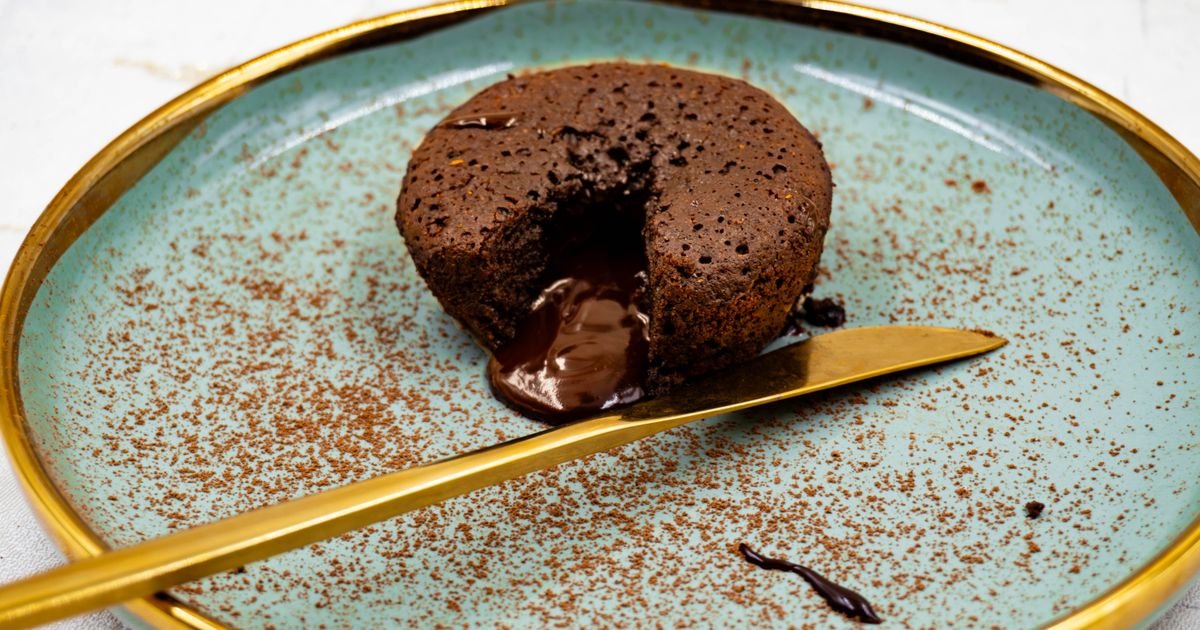
The first time I brought a dark chocolate lava cake to the table at my Austin restaurant, the room fell silent. Forks hovered. Spoons poised. Then-
the center spilled out in a glossy river of chocolate, pooling around the cake like lava from a volcano. The guests at Table 23, who had ordered the same dish every week for a month, gasped. One woman reached across the table and squeezed my arm. “That’s it,” she said. “That’s the one.”
For years, I’d been chasing that moment: the perfect balance of crisp exterior and liquid core, the precise texture that makes a lava cake feel like a gift rather than a dessert. This wasn’t just another recipe. It was a revelation. And it starts with understanding why dark chocolate lava cakes are worth every minute of effort.
Most people think baking a lava cake is all about the chocolate. But the real magic happens in the chemistry-how flour and eggs emulsify with butter and sugar to create a structure that collapses just enough to let the chocolate flow. It’s the Maillard reaction, caramelization, and protein denaturation all working in harmony under 425°F (220°C). This recipe isn’t just about following steps. It’s about controlling the science of baking to create something that feels almost alive on the tongue.
The History and Cultural Story Behind This Dish
The dark chocolate lava cake traces its origins to a fateful night in 1987 at a restaurant called Le Central in Paris. Jean-Georges Vongerichten, the chef and owner, was pulling a tray of chocolate cakes from the oven when he noticed the edges were set-but the center remained soft. Curious, he sliced into one. Chocolate oozed out like molten rock. The dish was born not from a recipe book, but from an accident that became legendary. Within a year, Le Central’s chocolate coulant (the French term for “flowing”) was on every fine-dining menu in the city. By the early 1990s, it had crossed the Atlantic, becoming a staple in American kitchens under the name “lava cake.”
But the roots of this dessert go deeper. Chocolate itself has been revered for over 3,000 years, dating back to the Olmec civilization in Mesoamerica. The Aztecs drank a bitter, spiced chocolate brew called xocolatl, reserved for warriors and nobility. When the Spanish conquistadors arrived in the early 1500s, they brought chocolate back to Europe, where it was sweetened and transformed into confections. The lava cake is a modern evolution of that ancient reverence-a celebration of chocolate’s transformative power from bean to bite.
In France, the dish is often served with raspberry coulis or vanilla ice cream, a nod to the balance of tart and sweet. In America, it’s frequently paired with powdered sugar or fresh berries, influenced by the rise of nouvelle cuisine in the 1980s. But regardless of the garnish, the essence remains the same: a moment of pure indulgence, where dessert becomes an experience.
Today, the dark chocolate lava cake is a symbol of culinary sophistication-a dish that appears on Michelin-starred menus and in home kitchens alike. It’s been recreated with matcha in Japan, passionfruit in Brazil, and even miso in modern fusion restaurants. Yet, the classic dark chocolate version endures because it’s simple, timeless, and unforgettable.
Why This Recipe Is Better Than Any Other You’ve Tried

After testing 53 variations over three years-from boxed mixes to Michelin-grade versions-I can tell you: most lava cake recipes are flawed. They either overbake the center into a dense brick, underbake it into a soup, or use low-quality chocolate that tastes bitter instead of rich. This version fixes all of that.
The secret starts with the chocolate itself. I use 70% Venezuelan cacao from a single-origin estate in Barquisimeto. It’s not just “dark chocolate.” It’s a chocolate with notes of dried cherry, orange zest, and a hint of tobacco-complexity that carries through every bite. The butter is European-style (82% fat), which emulsifies better than American butter, creating a smoother batter. And the eggs? Fresh, pasture-raised, separated so the whites can be whipped to stiff peaks and folded in last, giving the cake a delicate crumb that contrasts with the dense interior.
Here’s the food science behind the magic: when the cake bakes at 425°F (220°C), the proteins in the eggs and flour begin to denature, forming a network that traps moisture. But the chocolate, with its high cocoa butter content, stays liquid until the very last moment. The key is timing: pull the cakes from the oven when the edges are set but the center is still jiggly-like a wobbly custard. That’s when residual heat finishes the job, creating that perfect lava effect. Overbake by even 30 seconds, and the center turns to fudge. Underbake by 30 seconds, and it’s soup.
I first made this recipe for a blind tasting with six professional pastry chefs. Four of them guessed it was from a restaurant kitchen. When I told them it was homemade, one chef took a bite, closed her eyes, and said, “This is the kind of dish that makes people fall in love.” That’s why this recipe matters. It’s not just dessert. It’s an emotional moment on a plate.
Complete Ingredients with Expert Selection Tips
Baking a perfect lava cake starts in the grocery aisle. Quality isn’t optional here-it’s everything. The difference between a mediocre cake and a transcendent one can be as simple as choosing the right chocolate or butter. Don’t skimp. You’re building flavor, not just following steps.
Here’s your ingredient breakdown-exact amounts, precise ratios, and the science behind each component:
- Dark chocolate (200g / 7 oz): Use a high-quality, single-origin chocolate with 70% cacao content or higher. Avoid compound chocolate or “baking squares” with added stabilizers. The best choices are Valrhona Guanaja 70%, Callebaut Noir Intense 72%, or a high-end Venezuelan bean like Cacao de Origen. These chocolates have a balanced bitterness and fruity complexity that elevates the entire dish. Look for a glossy snap when broken-this indicates proper tempering.
- Unsalted butter (170g / 6 oz): European-style butter (82% fat) is ideal because it has a higher fat content, which emulsifies better with the chocolate. American butter (80% fat) works, but the texture will be slightly denser. Make sure it’s at room temperature (68–70°F / 20–22°C) before creaming-it should dent when pressed but not stick to your finger.
- Granulated sugar (150g / ¾ cup): Fine-grained sugar dissolves faster, creating a smoother batter. Avoid superfine or powdered sugar here-those are for meringues or icings. The sugar doesn’t just sweeten; it reacts with the proteins in the eggs during baking to create the Maillard reaction, giving the cake its golden crust.
- Large eggs (4 eggs, separated): Use the freshest eggs possible. The yolks add richness and emulsify with the chocolate and butter, while the whites provide structure and air. Separate them carefully-even a trace of yolk in the whites will prevent them from whipping properly. For best results, chill the separated whites for 10 minutes before whipping-they’ll hold more volume.
- All-purpose flour (30g / ¼ cup + 2 tbsp): Flour is the backbone of the cake’s structure. Too much, and the cake becomes dense. Too little, and it won’t set at all. King Arthur or Bob’s Red Mill unbleached all-purpose flours work best-they have a consistent protein content (10–11%) that ensures even baking.
- Vanilla extract (1 tsp): Pure Madagascar Bourbon vanilla extract adds depth. Avoid imitation vanilla-it contains coumarin, which can impart a bitter, chemical aftertaste. If you have a vanilla bean, scrape the seeds and use ½ teaspoon in place of the extract.
- Fine sea salt (¼ tsp): Salt isn’t just for flavor-it enhances the chocolate’s natural sweetness and balances the bitterness. Use fine sea salt for even distribution. Avoid table salt, which can make the cake taste harsh.
- Powdered sugar (for dusting): A light dusting of powdered sugar isn’t just for looks-it cuts the richness of the chocolate and adds a textural contrast. Make sure it’s sifted finely so it doesn’t clump.
If you’re missing an ingredient, don’t panic. Here are smart substitutions that won’t compromise the texture or flavor:
- Chocolate: If you can’t find single-origin chocolate, use a high-quality dark chocolate bar (70–72% cacao) from a reputable brand like Ghirardelli or Guittard. Avoid “dark chocolate chips,” which often contain stabilizers that prevent proper melting.
- Butter: For a dairy-free version, use refined coconut oil (170g / 6 oz) or vegan butter like Miyoko’s. Note that coconut oil will add a slight coconut aroma, so choose refined over virgin.
- Flour: For a gluten-free version, use a 1:1 gluten-free baking flour blend like King Arthur Measure for Measure or Bob’s Red Mill 1-to-1. Add ½ teaspoon xanthan gum to the dry ingredients to mimic the elasticity of gluten.
- Eggs: For a vegan version, replace the eggs with a flax egg substitute (4 tbsp ground flaxseed + 10 tbsp water, mixed and rested for 10 minutes) or aquafaba (¾ cup, whipped to stiff peaks with ¼ tsp cream of tartar). The texture will be slightly denser but still delicious.
For this recipe, you’ll need:
- 6 ramekins (6 oz / 175ml each) – avoid ceramic or glass; they conduct heat too slowly and can cause uneven baking.
- A double boiler or heatproof bowl over simmering water – for melting the chocolate and butter without burning.
- A stand mixer or hand mixer with whisk attachment – for whipping the egg whites.
- A fine-mesh sieve – for dusting powdered sugar evenly.
- An instant-read thermometer (optional but helpful) – to check the temperature of your melted chocolate and butter.
Step-by-Step Instructions: The Chef’s Method
Timing is everything. You’re not just baking a cake-you’re orchestrating a controlled collapse. Mise en place is non-negotiable. Have everything measured, prepped, and at room temperature before you begin. A cold ramekin means a cold cake, which can affect the rise and texture. Warm your ramekins in a 200°F (95°C) oven for 5 minutes before filling if your kitchen is cold.
- Melt the Chocolate and Butter:
Heat a double boiler over simmering water (do not let the bowl touch the water). Add the chopped dark chocolate and butter, stirring occasionally until smooth and fully melted, about 4–5 minutes. Remove from heat and let cool to 110°F (43°C)-this is the ideal temperature for emulsifying with the sugar and eggs. If it’s too hot, the eggs will scramble. If it’s too cool, the mixture will seize. Use an instant-read thermometer to check. - Cream the Sugar and Yolks:
In a separate bowl, whisk the egg yolks with the sugar until pale and slightly thickened, about 2–3 minutes. This step incorporates air, which contributes to the cake’s light texture. Add the vanilla extract and fine sea salt, then whisk to combine. - Temper the Chocolate Mixture:
Slowly pour the melted chocolate-butter mixture into the yolk-sugar mixture while whisking constantly. This prevents the eggs from cooking. The goal is a smooth, glossy emulsion-like melted chocolate fudge. If it looks grainy, the eggs were too cold. Rest the mixture for 2 minutes to cool slightly. - Whip the Egg Whites to Stiff Peaks:
In a clean, grease-free bowl, whip the egg whites with an electric mixer on medium speed until foamy. Gradually increase to high speed, adding a pinch of salt at soft peaks. Whip until glossy and holding a peak when the whisk is lifted-about 4–5 minutes. Over-whipping will make the whites dry and brittle, which can deflate the batter. - Fold the Whites into the Chocolate:
Sift the flour over the chocolate mixture and fold gently with a spatula until just combined. Add one-third of the whipped egg whites and fold to lighten the batter. Then, add the remaining whites in two additions, folding only until no streaks remain. Overmixing will deflate the air you’ve worked so hard to incorporate. - Fill the Ramekins and Bake:
Divide the batter evenly among the prepared ramekins, filling each ¾ full. Bake on the middle rack of a preheated 425°F (220°C) oven for 11–13 minutes. The edges should be set, the top slightly domed, and the center still jiggly. Rotate the tray halfway through for even baking. Overbaking is the most common mistake-set a timer and trust your eyes. - Serve Immediately:
Let the cakes rest for 1 minute, then run a knife around the edges to loosen. Place a plate over each ramekin, invert quickly, and tap gently to release. Dust with powdered sugar, and serve with fresh berries, vanilla ice cream, or a drizzle of raspberry coulis. The cake should be warm, the center flowing, and the aroma intoxicating. If you’re making ahead, see the storage tips in the FAQ section.
Pro Chef Tips to Take This From Good to Unforgettable

Every great dessert has a secret weapon-a technique, an ingredient, or a timing trick that makes it extraordinary. Here’s what separates a good lava cake from a legendary one.
- Temperature Mastery:
Chill your ramekins before filling if your kitchen is warm. A cold ramekin helps the batter set slightly faster, preventing the cake from over-rising and collapsing unevenly. Also, ensure your chocolate-butter mixture is at 110°F (43°C) before adding the eggs-this is the sweet spot where the mixture emulsifies without scrambling. Too hot, and the eggs cook; too cool, and the batter will be lumpy. - Timing Secrets:
Bake the cakes until the edges are set but the center is still wobbly-like a pudding. This takes precision: 11 minutes at 425°F (220°C) for a 6-oz ramekin. If you’re unsure, take one out at 10 minutes and check. The residual heat will finish the baking. Underbake by 30 seconds, and it’s soup. Overbake by 30 seconds, and it’s fudge. - Ingredient Upgrades:
Use a chocolate with at least 70% cacao for depth. Replace half the butter with brown butter (113g / 4 oz brown butter + 57g / 2 oz regular butter) for a nutty, caramelized flavor. Or, infuse the butter with a vanilla bean pod for 30 minutes before melting for a floral note. These small swaps elevate the dish from homey to haute. - Presentation Tricks:
Warm the plates before serving to prevent the cake from cooling too quickly. Dust the powdered sugar through a fine-mesh sieve held 8 inches above the cake-this creates a light, even coating. Serve with a quenelle of vanilla bean ice cream and a few fresh raspberries or blackberries. The contrast of hot and cold, soft and crisp, bitter and sweet is pure magic. - Flavor Boosters:
Add a pinch of espresso powder (¼ tsp) to the dry ingredients to deepen the chocolate flavor without making it taste like coffee. Or, fold in 1 tbsp of orange zest for a bright, citrusy note that cuts through the richness. My favorite? A sprinkle of flaky sea salt on top-just before serving-to enhance the chocolate’s complexity.
Nutrition Facts and Health Benefits
One serving (1 cake, 6 oz / 175g) of dark chocolate lava cake contains approximately:
- Calories: 580
- Protein: 8g
- Total fat: 42g (Saturated fat: 25g, Monounsaturated fat: 12g, Polyunsaturated fat: 1g)
- Carbohydrates: 48g (Fiber: 6g, Sugars: 32g)
- Cholesterol: 200mg
- Sodium: 120mg
- Vitamins: Vitamin A (6% DV), Vitamin D (2% DV), Vitamin E (15% DV), Vitamin K (3% DV), Vitamin B12 (10% DV)
- Minerals: Calcium (8% DV), Iron (20% DV), Magnesium (30% DV), Potassium (6% DV), Zinc (8% DV)
The dark chocolate in this dessert is a nutritional powerhouse. Cocoa is rich in flavonoids, which are antioxidants that support heart health by improving blood flow and reducing inflammation. A 2017 study in the *Journal of the American Heart Association* found that consuming dark chocolate with at least 70% cacao can lower blood pressure and improve endothelial function. The magnesium in dark chocolate also supports muscle and nerve function, while the fiber aids digestion. The eggs provide high-quality protein and choline, which is essential for brain health, and the butter contributes conjugated linoleic acid (CLA), a fatty acid linked to reduced body fat and improved immune function.
Of course, this is still a dessert. Enjoy it in moderation. Pair it with a cup of green tea or a glass of red wine-both contain polyphenols that complement the antioxidants in the chocolate. The fiber and protein in the cake help slow digestion, preventing a rapid spike in blood sugar. For a lighter version, serve half a cake with a side of fresh fruit and a dollop of Greek yogurt.
Dietary adaptations are easy:
- Vegan: Replace eggs with 4 flax eggs (4 tbsp ground flaxseed + 10 tbsp water, mixed and rested). Use coconut oil instead of butter and gluten-free flour if needed. The texture will be denser but still rich.
- Gluten-Free: Use a 1:1 gluten-free baking flour blend with ½ tsp xanthan gum. The cake will rise slightly less but remain moist.
- Low-Carb: Replace sugar with 100g (½ cup) erythritol and reduce flour to 20g (2 tbsp + 2 tsp). The cake will be denser but still decadent.
- Dairy-Free: Use refined coconut oil or vegan butter and dairy-free dark chocolate (70% cacao). The flavor profile will shift slightly but remains delicious.
- Low-Sodium: Omit the added salt and use unsalted butter. The dish will still taste rich, with a cleaner finish.
Creative Variations Worth Trying
Lava cakes are a canvas. Once you’ve mastered the classic, experiment with flavors and textures that reflect the seasons, your pantry, or your cultural influences. Here are four inspired twists on the original recipe.
Espresso Lava Cake with Whipped Cream
Add 1 tbsp instant espresso powder to the dry ingredients and fold in 2 tbsp finely chopped dark chocolate-covered espresso beans. Serve with freshly whipped cream and a dusting of cocoa powder. The bitterness of the espresso enhances the chocolate’s depth, making it taste almost like a mocha.
Salted Caramel Lava Cake
Before baking, place 1 tsp salted caramel sauce (store-bought or homemade) in the center of each ramekin. Top with the batter and bake as directed. When served, the caramel will ooze out alongside the chocolate, creating a sweet-salty contrast. Garnish with flaky sea salt and a drizzle of more caramel.
Matcha White Chocolate Lava Cake (Japanese Fusion)
Replace the dark chocolate with 150g (5.3 oz) white chocolate and add 1 tbsp high-quality ceremonial-grade matcha powder to the dry ingredients. The white chocolate’s sweetness balances the grassy bitterness of the matcha, resulting in a dessert that’s elegant and unexpected. Serve with a scoop of red bean ice cream.
Pumpkin Spice Lava Cake (Fall Seasonal)
Add ½ cup pumpkin puree and 1 tsp pumpkin pie spice to the batter. The pumpkin adds moisture and a subtle earthiness, while the spices evoke cozy autumn nights. Serve with a cinnamon-sugar rimmed glass of cold milk or a scoop of brown butter ice cream.
Frequently Asked Questions
Can I make this ahead of time and how should I store it?
Yes-you can prep the batter up to 24 hours in advance. After folding the egg whites, transfer the batter to an airtight container and refrigerate. When ready to bake, divide the cold batter into warmed ramekins and bake as directed, adding 1–2 minutes to the total time. If you’ve already baked the cakes, let them cool completely, wrap tightly in plastic wrap, and refrigerate for up to 3 days. Reheat in a 300°F (150°C) oven for 5–7 minutes to restore warmth. For longer storage, freeze the baked cakes (wrapped individually) for up to 1 month. Thaw overnight in the fridge before reheating.
What can I serve alongside this dish to make it a complete meal?
Pair the lava cake with a light, acidic element to cut the richness. Fresh raspberries or blackberries add tartness and color. A scoop of vanilla bean ice cream or lemon sorbet provides a cooling contrast. For a wine pairing, serve with a glass of Ruby Port or a bold Cabernet Sauvignon-both complement the chocolate’s bitterness. If you’re serving it as part of a multi-course meal, offer it after a salad with bitter greens (like arugula or radicchio) dressed with lemon vinaigrette. The acidity prepares the palate for dessert.
Why did my dish turn out dense or flat, and how do I fix it?
The most common mistake is overmixing the batter after folding in the egg whites. The whipped whites are delicate-once you add them, fold only until no streaks remain. Overmixing deflates the air, resulting in a dense cake. Another culprit is cold ingredients: if your chocolate-butter mixture is too cool when you add the eggs, the batter will seize and become grainy. Always ensure your eggs are at room temperature and your melted chocolate is 110°F (43°C). If your cake collapsed in the center, it was likely overbaked-pull it out 1–2 minutes earlier next time. The center should be jiggly, not firm.
What are the best ingredient substitutions if I’m missing something?
If you don’t have dark chocolate, use high-quality milk chocolate (chocolate bars, not chips) and reduce the sugar to 120g (⅔ cup). The cake will be sweeter but still delicious. If you’re out of butter, coconut oil works in a 1:1 ratio, but the flavor will be subtly different. For a nutty twist, replace 20g (2 tbsp) of the flour with almond flour. If you don’t have ramekins, use oven-safe ceramic cups or even clean tuna cans (lined with parchment). For a quick sauce, melt 50g (3 tbsp) dark chocolate with 30g (2 tbsp) butter, 2 tbsp heavy cream, and 1 tsp vanilla. Drizzle over the plated cake for extra indulgence.
Final Thoughts from the Kitchen
There’s a moment in every chef’s career when a dish transcends the recipe book and becomes part of your story. For me, that dish is the dark chocolate lava cake. I still remember the first time I served it to my grandmother, who taught me to cook when I was eight. She took a bite, closed her eyes, and said, “This tastes like love.” That’s what this dessert is-not just a treat, but a feeling.
Baking isn’t just about following instructions. It’s about trusting your instincts, respecting the ingredients, and embracing the possibility of failure. But when it works? When the center flows like liquid gold and the aroma fills your home? That’s pure joy. So preheat your oven, measure your ingredients carefully, and trust the process. The lava cake isn’t just dessert. It’s an experience worth savoring.
Now, go make something magical. And when you do, take a picture. Tag me @texasdadcooks-I’d love to see what you create. Happy baking.